

Custom sweatshirts.
Made yours.
Build your brand’s crewneck, quarter-zip or heavyweight sweatshirt. Choose a catalogue style or an original fit, with printing, embroidery and private labels.
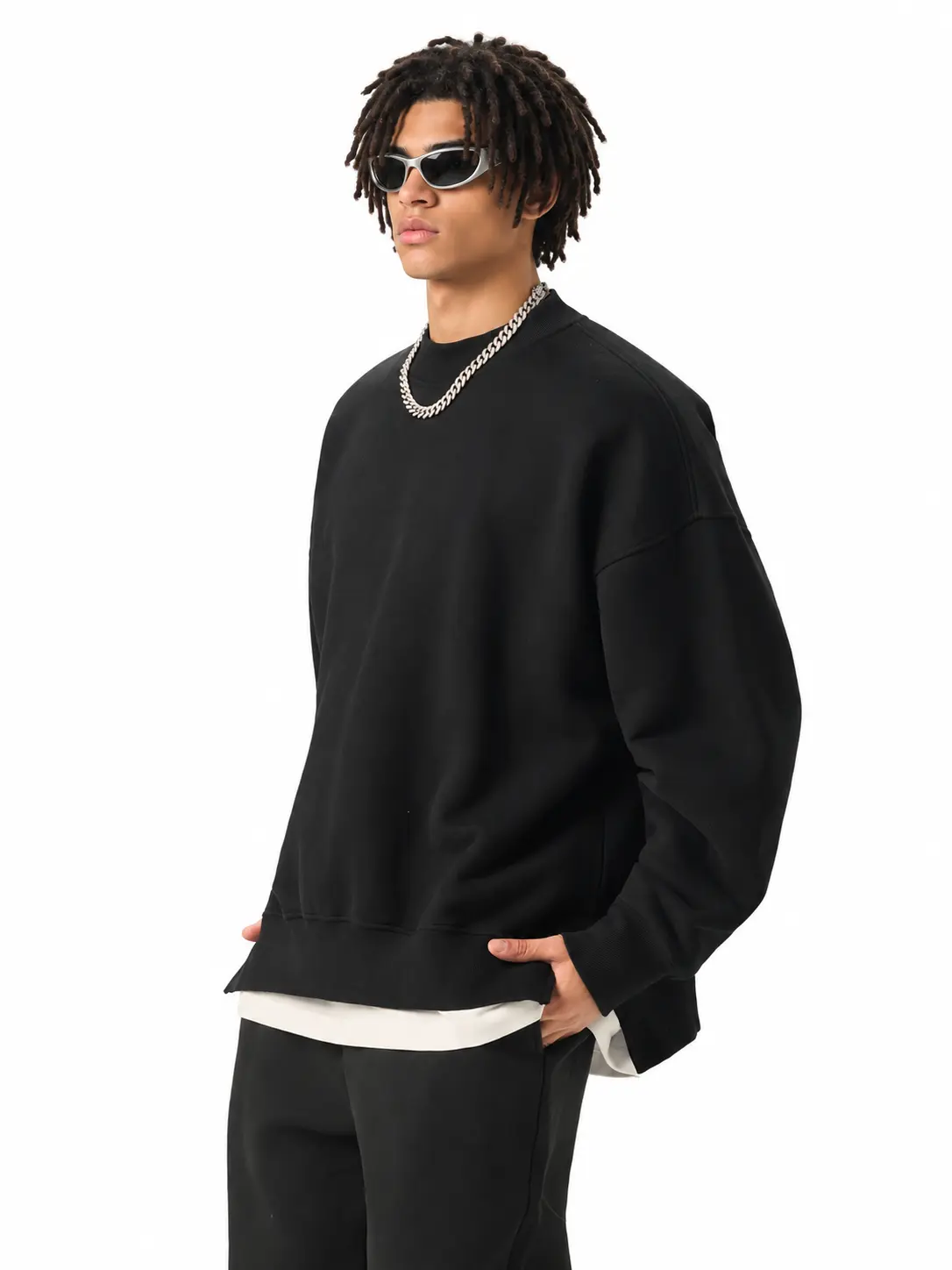
Find the sweatshirt behind your next collection.
Compare actual crewnecks, 420 GSM blanks, 530 GSM cotton, mock necks, quarter-zips, plaid and washed boxy styles. Start with the silhouette, then check its composition, measurements and supported decoration.
Choose a useful starting point
For a substantial everyday blank, compare the 420 GSM crewneck. For a collar-led range, explore the plaid or vintage-wash quarter-zips. A boxy, dolman or drawcord shape creates a different fit brief.
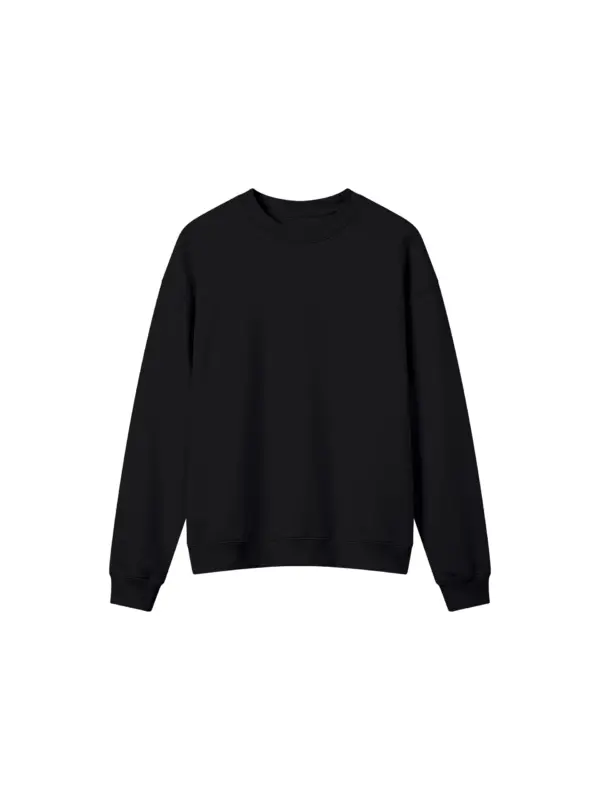
Unisex 420 GSM Heavyweight Blank Crewneck Sweatshirt
420 GSM cotton-blend knit with a loose unisex fit, dropped shoulders and ribbed collar, cuffs and hem.
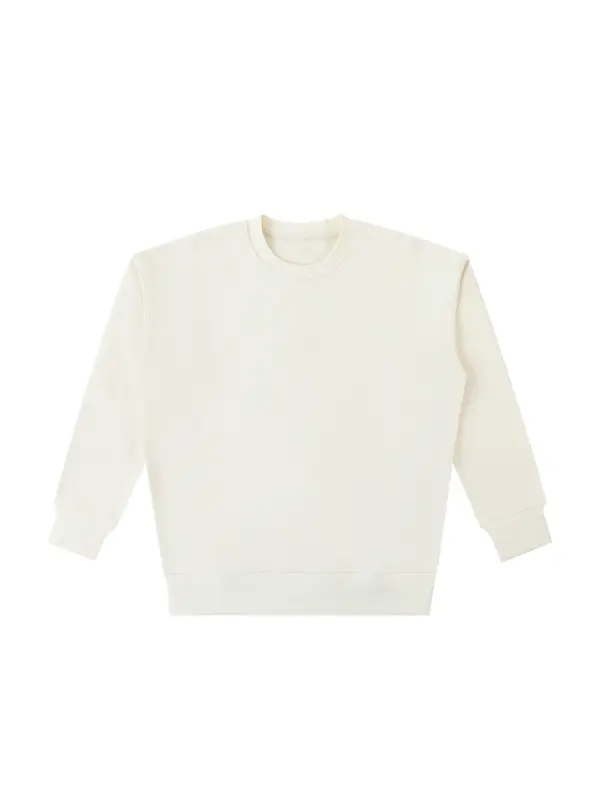
Essential 530 GSM Oversized Cotton Sweatshirt
530 GSM 100% cotton with an oversized body and ribbed edges for a substantial blank sweatshirt.
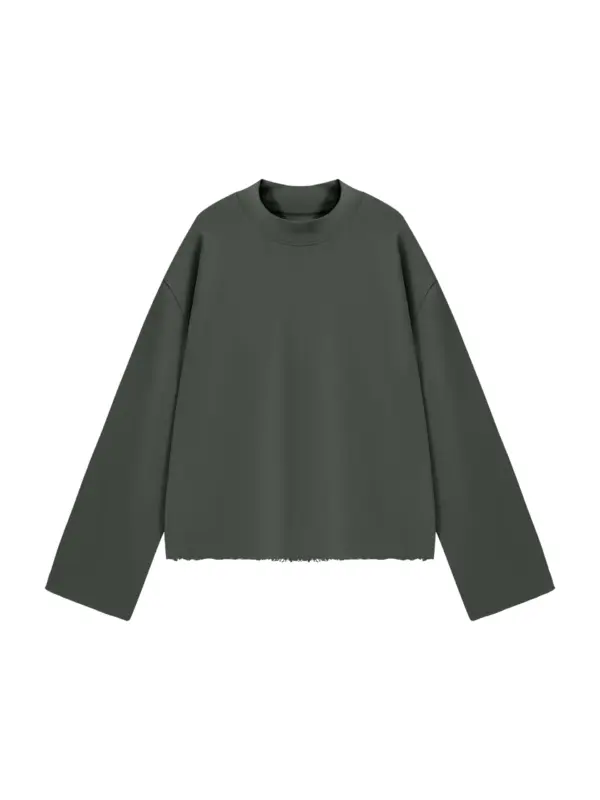
Unisex 350 GSM Mock Neck Raw Edge Boxy Sweatshirt
350 GSM 88% cotton and 12% polyester with a ribbed mock neck, loose boxy fit and raw cuffs and hem.
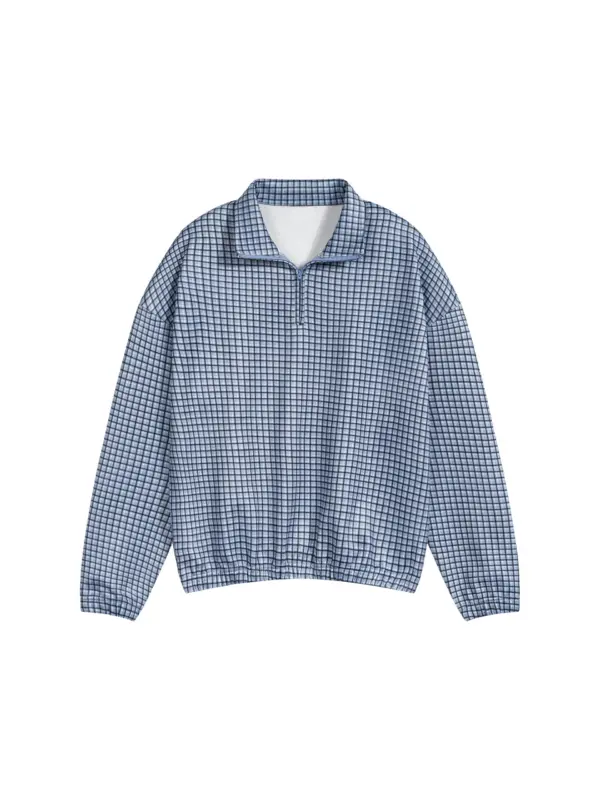
Unisex Oversized Plaid Quarter-Zip Sweatshirt
360 GSM plaid quarter-zip with a polyester-spandex outer, cotton-blend inner and gathered elastic cuffs and hem.
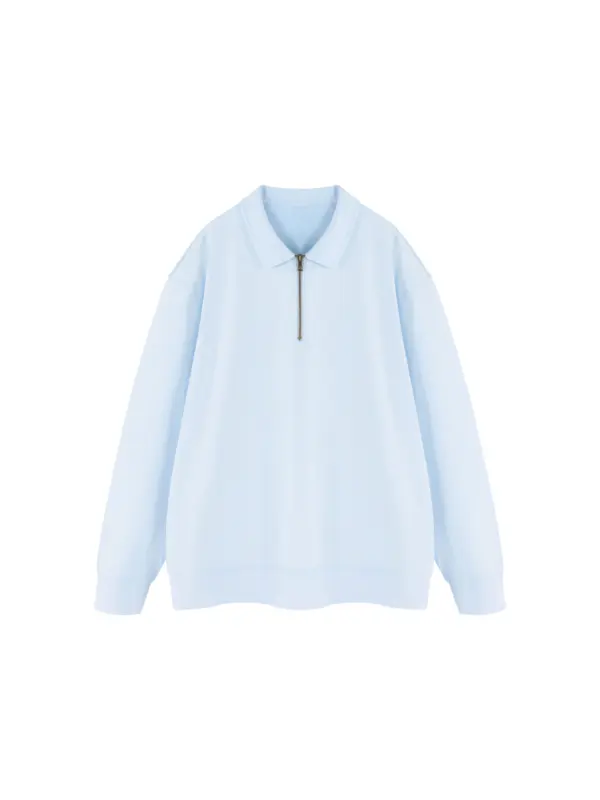
Unisex Vintage Wash Quarter-Zip Cotton Sweatshirt
350 GSM 100% cotton knit with a vintage wash, loose fit, quarter zipper and folded lapel collar.
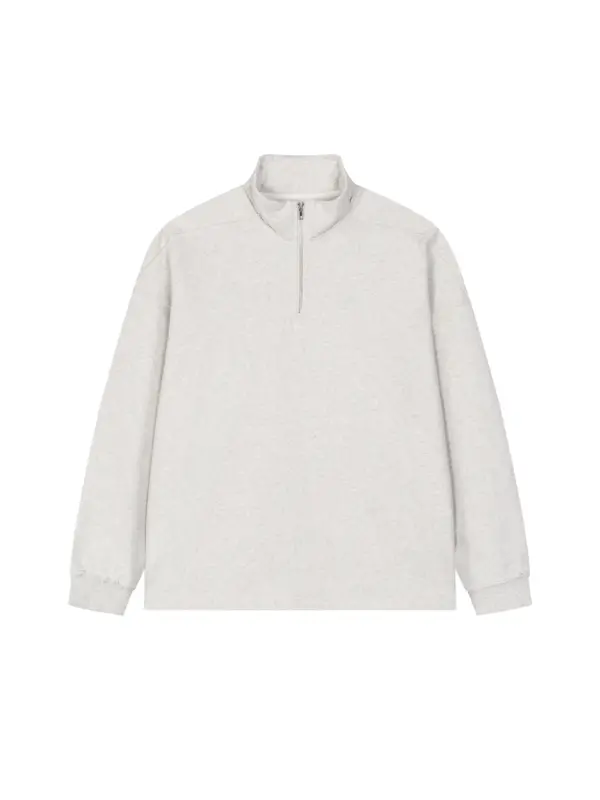
450 GSM Rolled-Edge Half-Zip Fleece Sweatshirt
450 GSM cotton-polyester fleece with an oversized shape, stand collar, half zipper and rolled-edge hem.
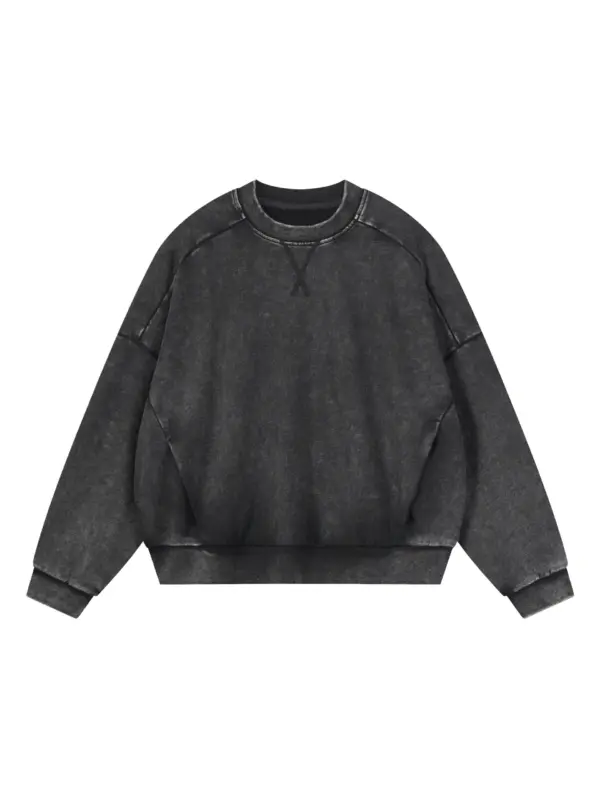
Unisex 380 GSM Mineral Wash Boxy Sweatshirt
380 GSM 100% cotton with a mineral-washed surface, loose boxy shape, dropped shoulders and panel detailing.
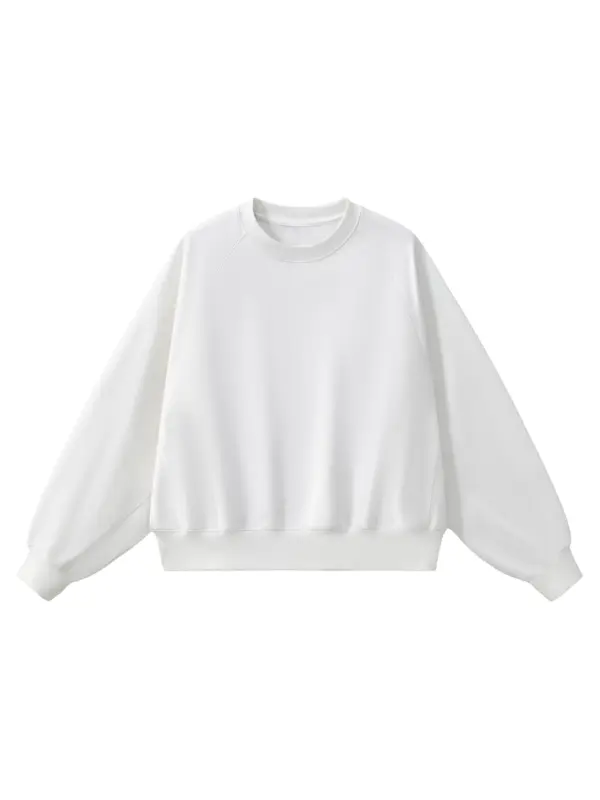
Essential 420 GSM Dolman Sleeve Boxy Sweatshirt
420 GSM cotton-polyester blend with a boxy shape and broad dolman sleeves for a distinct relaxed silhouette.
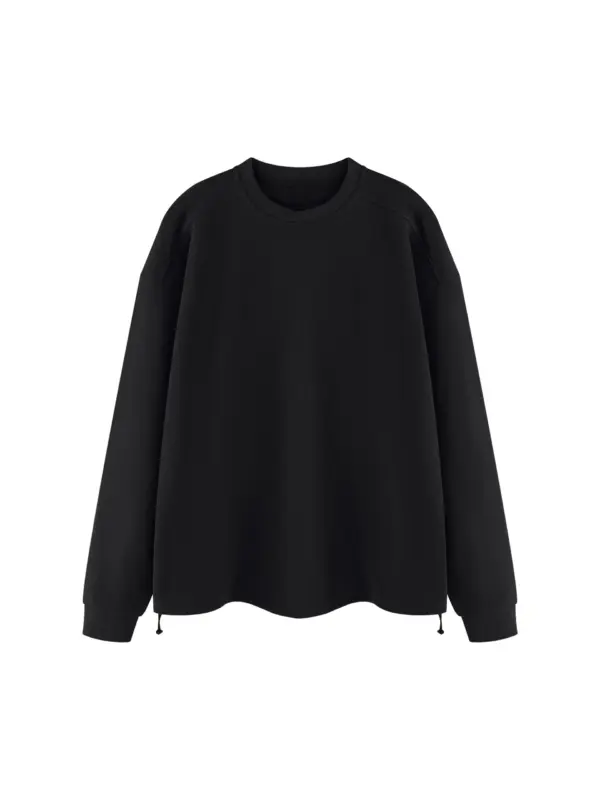
Unisex 430 GSM Oversized Boxy Drawstring Sweatshirt
430 GSM polyester-cotton blend with an oversized boxy body, dropped shoulders and adjustable drawstring hem.
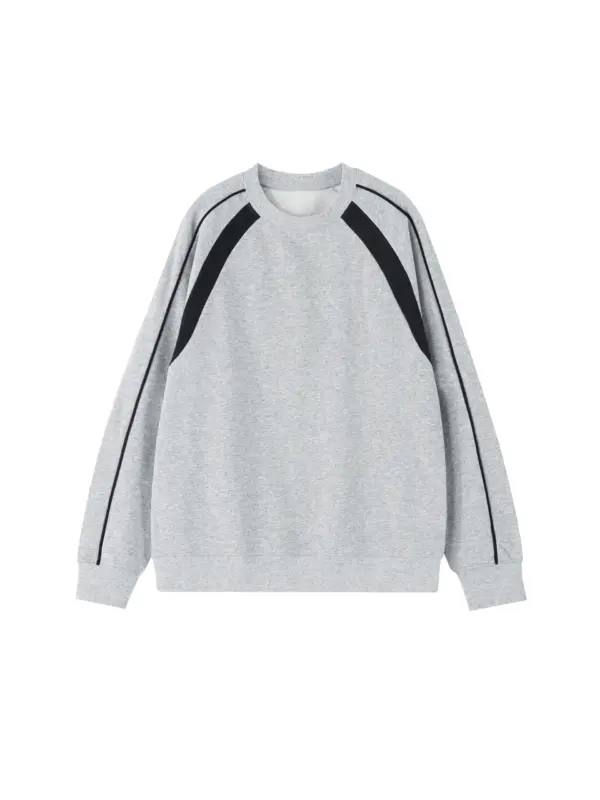
Unisex Color Block Piping Crewneck Sweatshirt
320 GSM 85% cotton and 15% polyester with color-block panels, raglan sleeves and contrasting piping.
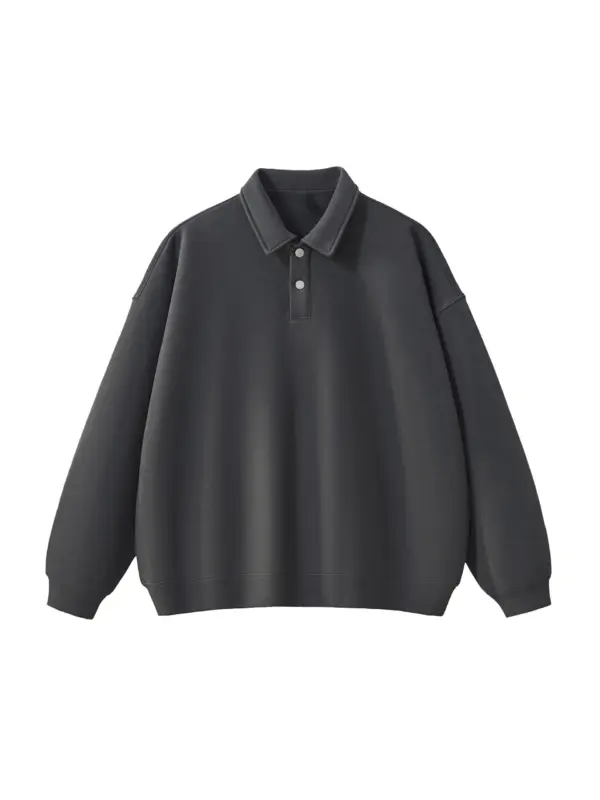
Heavyweight 380 GSM Polo Collar Sweatshirt
380 GSM 86.7% cotton and 13.3% polyester with a polo collar, snap placket and relaxed dropped shoulders.
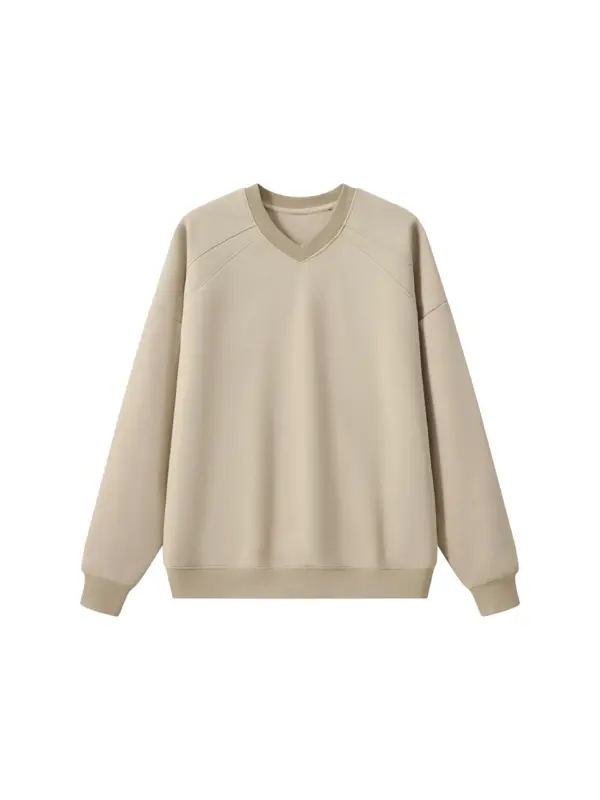
Unisex Oversized Panel V-Neck Sweatshirt
350 GSM cotton-polyester construction with a V-neck, oversized H-line fit and diagonal panel seams.
Compare fit, fabric and construction
A photograph starts the comparison. The product page gives the material, GSM, size range and options for that style. A classic crewneck, a raw-edge mock neck and a plaid quarter-zip need different placement and finishing decisions.
Build a coordinated collection
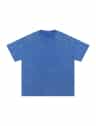
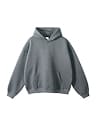
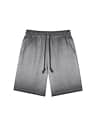
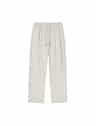
Pair a sweatshirt with custom sweatpants or shorts. Add T-shirts, hoodies or tank tops where they suit the range. Sample matching colours and fabrics together.
Explore fabrics, fit, printing, embroidery, sample development and worldwide delivery.
Explore the complete listed range.
Find every product currently listed in the sweatshirt category. Compare the individual specification for fabric, fit, sizes and colours; related hoodies, long-sleeve tees and polo shirts are identified separately below.
Everyday cotton and lighter crewnecks
Heavyweight, fleece and stretch crewnecks
- 350 GSM Drop Shoulder Crewneck Sweatshirt (85% cotton, 15% polyester)
- 350 GSM Drop Shoulder Crewneck Sweatshirt (polyester-cotton blend with other fibres)
- Custom 350 GSM Fleece Crewneck Sweatshirt
- Customizable Unisex Loose Crewneck Sweatshirt 360 GSM
- Essential 400 GSM Stretch Crewneck Sweatshirt
- Essential 530 GSM Oversized Cotton Sweatshirt
- Oversized Drop Shoulder Polyester Crewneck Sweatshirt
- Unisex 345 GSM Boxy Fleece Crewneck Sweatshirt
- Unisex 420 GSM Heavyweight Blank Crewneck Sweatshirt
- Unisex 460 GSM Oversized Drop Shoulder Sweatshirt
Quarter-zip and half-zip sweatshirts
Mock necks, V-necks and collared sweatshirts
Vintage, snow, mineral and sunfade finishes
- Dirty Washed Boxy Fleece Sweatshirt
- Mineral Wash Piping Raw Hem Cotton Sweatshirt
- Snow Wash 380 GSM Oversized Crewneck Sweatshirt
- Snow Washed Contrast Tape Cotton Sweatshirt
- Snow-Washed Oversized Cotton Sweatshirt 360 GSM
- Sunfade 375 Heavyweight Fleece Sweatshirt
- Sunfade Drop Shoulder Heavyweight Cotton Sweatshirt
- Unisex 355 GSM Vintage Wash Fleece Sweatshirt
- Unisex 380 GSM Mineral Wash Boxy Sweatshirt
Panels, raglan sleeves and shaped hems
Coordinating hoodies, long-sleeve tees and polo shirts
Start with a sweatshirt. Or develop one from the brief.
The right route depends on what is already decided: your garment shape, material, finish, decoration and the changes your collection needs.
Customise an existing sweatshirt
A catalogue blank gives you a defined starting point for fit, fabric and construction. Compare a regular cotton crewneck with a boxy fleece style, collared pullover or quarter-zip before planning the branding. Keep the product specification beside the photographs so a familiar shape does not hide a different composition or finish.
- Review the actual size chart, colours and garment details.
- Plan print, embroidery and labels around the existing seams and trims.
- Approve the relevant garment and decoration samples.
Develop an original cut-and-sew sweatshirt
Start with a technical pack, reference garment or clear design brief when the collection needs a new body proportion, neckline, sleeve, pocket or material. Define what makes the sweatshirt distinctive and which details can follow an established construction. A new fit and a new graphic are different development tasks.
- Specify measurements, fabric, rib, seams, trims and finish.
- Agree pattern, grading and sample work before bulk production.
- Keep the approved garment and artwork in one production reference.
Design around the customer you want to reach.
A sweatshirt brief should connect the person wearing it with the silhouette, price position, season and details that make your brand recognisable.
A focused first collection
Choose the core shape and a manageable colour and size range before multiplying the options. Decide whether your first sweatshirt is defined by a graphic, a distinctive collar, a washed surface or the feel of the fabric. Identify the decisions still open so the quotation and sample plan address the work you actually need.
Established brands and repeat orders
Bring the approved garment, measurement chart, artwork version and previous order reference. State what must remain consistent and what should change for the next release. Treat a revised wash, rib, fabric or decoration as a controlled change, then confirm whether it needs another sample before the specification is repeated across the range.
Luxury essentials and streetwear
Premium positioning needs more than a heavyweight fabric. Set the relationship between body width, length, shoulder line, neck rib and sleeve volume. Review hand feel, surface, seam appearance and understated branding together. A clean crewneck exposes proportion and finishing clearly; close-up references help turn your intended standard into details that can be sampled and inspected.
Merchandise, teams and everyday uniforms
A staff quarter-zip, college-style crewneck and retail streetwear drop can require different fits and decoration. Explain the wearing environment, care expectations, size range and reorder needs. For logo programmes, keep artwork dimensions and placement consistent across the selected styles while checking that collars, zippers, pockets and body lengths leave a suitable decoration area.
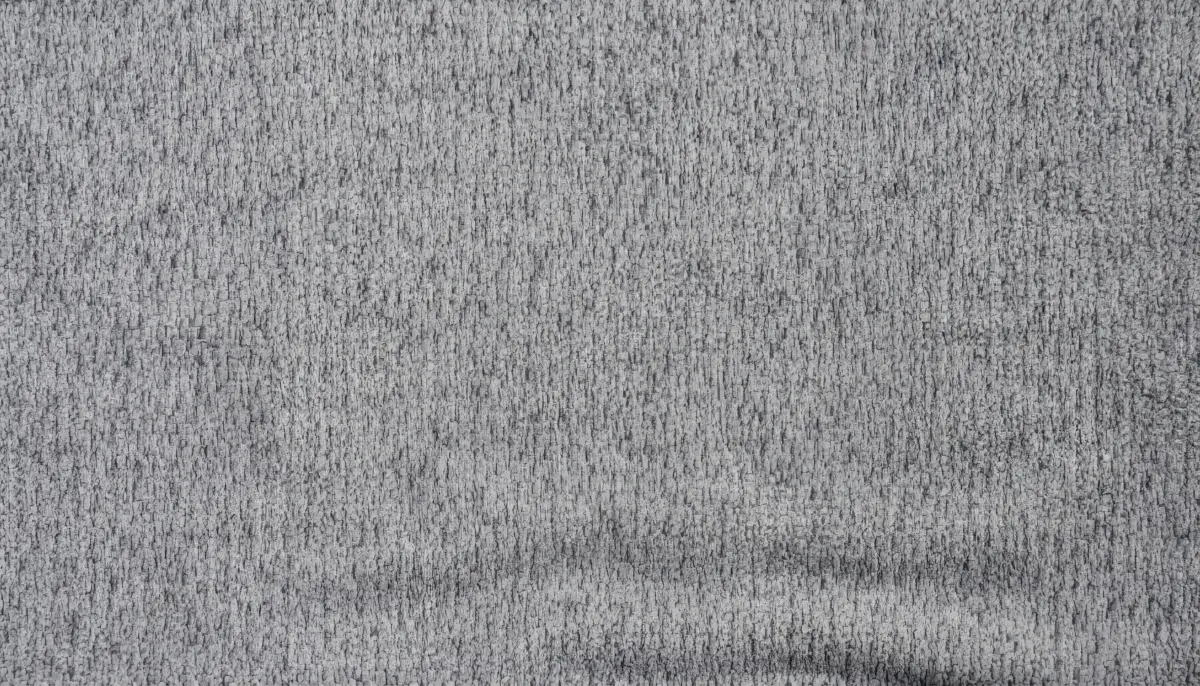
Grey sweatshirt knit shown in close detail. Licensed material reference.
Approve the material you will actually use
Review a swatch or garment for texture, drape, stretch and the feel of its inside surface. Compare it relaxed and in the intended fit. A smooth face, a brushed fleece interior and a textured or washed surface create different experiences, even when the garments have similar weight figures.
Check the collar, cuff and hem materials with the body fabric. Their stretch, recovery, colour and thickness affect how the openings sit after wear and care. Keep these trims in the material specification rather than treating them as an afterthought.
The fabric sets the feel before the logo does.
Composition, yarn, knit construction, weight and finishing shape a sweatshirt’s handle and decoration surface. Start with how your customer will wear it, then compare the actual fabric and garment. Fleece is an inside-surface description, not a promise that every sweatshirt uses the same blend.
The catalogue includes cotton, cotton-polyester blends, polyester-rich fleece and selected stretch constructions. Read each product’s material breakdown; an identical style name or similar photograph does not establish an identical fabric.
Cotton and cotton-rich options
Examples include a 300 GSM cotton crewneck, a 400 GSM cotton style and a 530 GSM oversized cotton sweatshirt. Other styles combine cotton with polyester, including the 420 GSM blank crewneck in 85% cotton and 15% polyester. Compare the face, inside feel and intended decoration rather than extending one product’s properties to every cotton garment.
Brushed fleece, stretch and layered materials
The boxy fleece and vintage-wash fleece styles have their own polyester-cotton compositions. Selected garments add spandex, while the plaid quarter-zip has different outer and inner fabrics. Review each layer and any contrast trim. Stretch, recovery, texture and heat sensitivity can change which print or embroidery setup is suitable.
Special fabric requests need a clear specification
For loopback or French terry development, provide the intended face and reverse reference; these should not be assumed from a sweatshirt photograph. Name any organic, recycled or other certification requirement and the evidence needed for the actual order. Define performance tests where a claim depends on them.
Choose GSM with the fabric and fit.
GSM means grams per square metre of fabric. It describes fabric mass, not the finished garment’s total weight or its quality on its own.
280–380 GSM: compare the complete garment
The range includes a 280 GSM cotton crewneck, 290 GSM cotton blends, 300 GSM cotton and polyester options, and several 320–380 GSM sweatshirts. These figures cover different fibres, interiors and silhouettes. Consider a more flexible everyday layer alongside a substantial fleece sample rather than using one weight boundary as a universal season guide.
What changes at 420 GSM?
The 420 GSM blank crewneck uses 85% cotton and 15% polyester; the 420 GSM dolman-style boxy sweatshirt uses 56.44% cotton and 43.56% polyester. Their proportions and construction differ as well. A shared GSM number does not create the same drape, interior or wearing experience. Compare the actual samples and intended decoration.
400–530 GSM: substantial does not mean identical
Heavyweight choices include 400 GSM cotton and stretch styles, a 430 GSM drawstring-hem body, a 450 GSM half-zip, a 460 GSM oversized sweatshirt, a 465 GSM washed quarter-zip and a 530 GSM cotton design. Read the composition, fit and finish for each. More fabric mass alone does not prove lower shrinkage, greater softness or longer print life.
Keep weight comparisons useful
Confirm whether a supplied figure describes fabric weight or garment weight and keep units consistent. When using ounces, distinguish ounces per square yard from a finished-item weight. For a coordinated collection, review shade, surface, inside feel and finishing alongside GSM. Use the sample to decide how the sweatshirt should feel at your intended retail position.
Fit is a set of proportions you can measure.
Regular, relaxed, oversized and boxy are useful directions. A clear measurement chart defines the sweatshirt you can approve and repeat.
Set body, shoulder and sleeve together
Define chest width, body length, shoulder width, armhole depth and sleeve measurements using agreed points. A boxy body is a relationship between width and length, not simply a larger size. A dropped shoulder moves the sleeve seam away from the natural shoulder; it needs to be assessed with sleeve length and the space under the arm.
Check the front, back and side profile, including hem position and layering. For a cropped or short body, show where the lower edge should sit. For raglan or dolman-style seams, identify the sleeve measurement method clearly so revisions remain comparable.
Grade the fit, neckline and openings
Distinguish body measurements from flat garment measurements. Agree the base size, size range, grading rules and tolerances, including rib openings and any stretch measurement condition. Do not assume that every colour or style shares one size chart. Model photographs help with styling but do not replace garment dimensions.
Review the sample worn, with the arms moving and the intended layer underneath. Check neck height or depth, cuff pressure, sleeve volume and hem recovery. A quarter-zip should also be assessed open and closed. Record comments against measurements and marked photographs rather than relying on “make it more oversized.”
Choose the neckline that defines the sweatshirt.
A crewneck, mock neck, V-neck and quarter-zip change the same base garment in different ways. Specify the opening, collar or rib, closure and decoration clearance together.
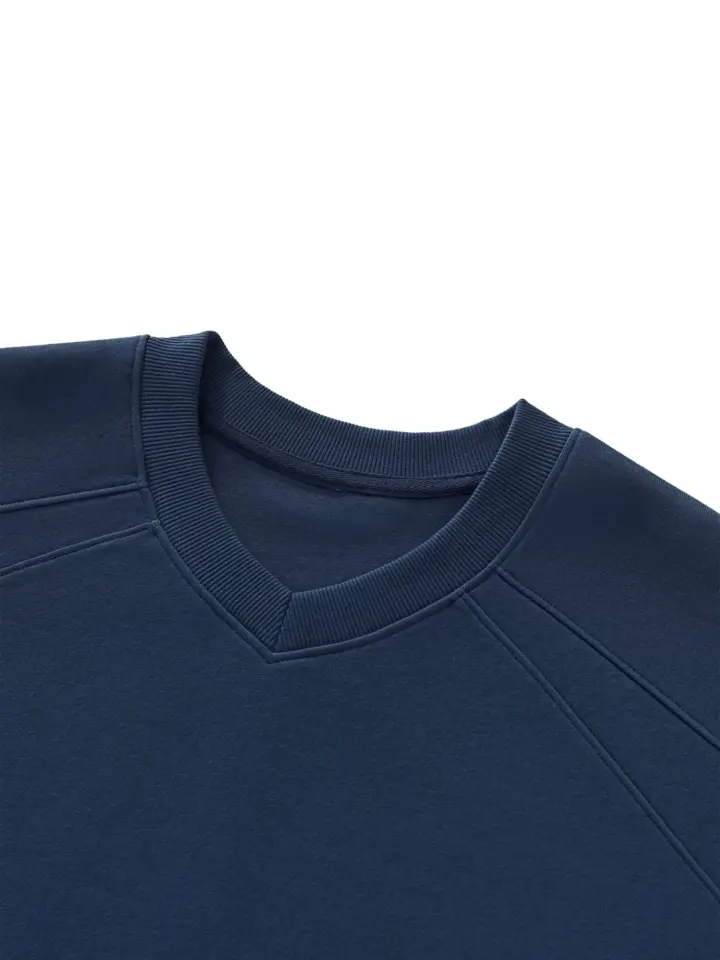
Ribbed V-neck and diagonal panel stitching on the navy panel sweatshirt.
Crewneck, V-neck and mock-neck proportions
For a crewneck, agree the rib width, finished opening and recovery after wear. A V-neck needs its point, depth and panel junction defined. A mock neck adds height without a fold-down collar. The catalogue includes a 350 GSM raw-edge mock neck and oversized panel V-neck, with different fabrics and proportions.
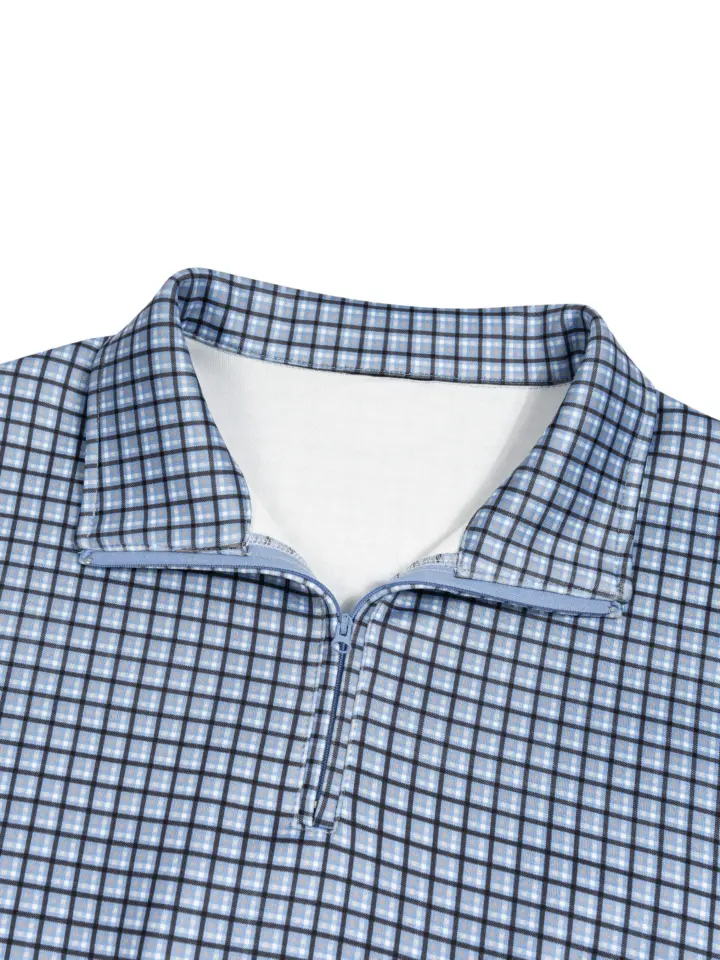
Collar shape, plaid alignment and zipper position on the oversized plaid quarter-zip.
Quarter-zips, half-zips and polo collars
Specify zipper length, tape colour, puller, collar height and how the neck sits open or closed. The 450 GSM half-zip fleece, vintage-wash cotton quarter-zip and polo-collar sweatshirt offer distinct starting points. Check plaid or stripe alignment across seams and keep artwork clear of the closure.
For an original neckline or trim arrangement, connect the reference to a development and sample plan before production.
Specify the details that hold the shape.
Collars, ribbing, sleeve seams and hems define the sweatshirt as clearly as its front graphic. Resolve these details before they are repeated through production.
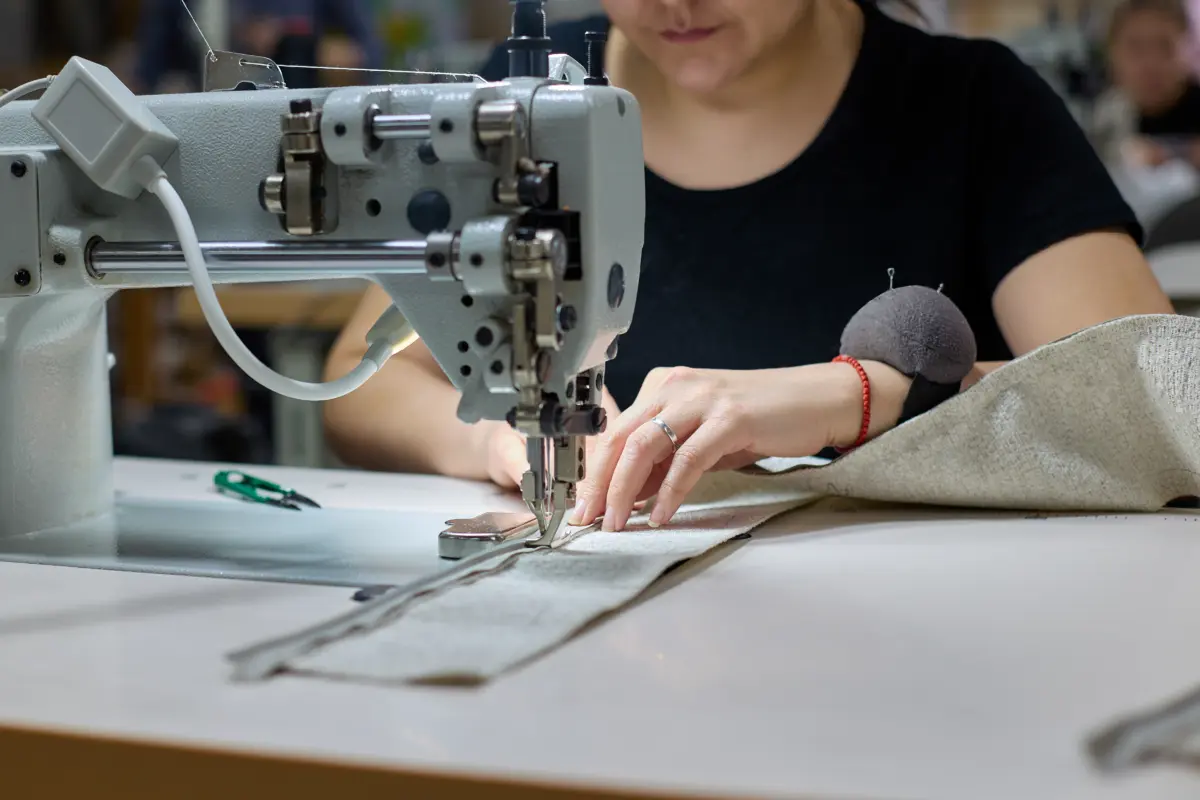
Industrial sewing-machine needle and fabric handling. Licensed construction reference.
Neck rib, cuffs and hem
Specify finished rib width, attachment and recovery where relevant to the design. Review the crewneck opening or mock-neck height with the body fabric and intended fit. Check cuff and hem proportions, seam joins, topstitching and the feel against the wearer. A contrasting rib or V-shaped stitch detail needs its own colour and construction reference.
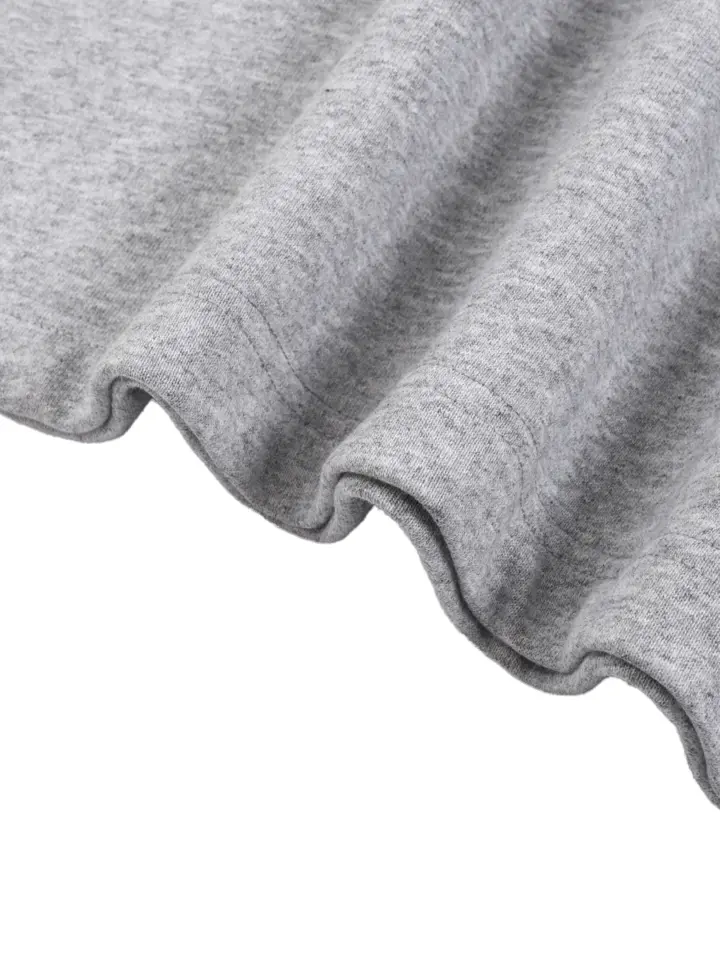
Rolled lower hem on the 450 GSM half-zip sweatshirt, showing its intentional curling knit edge.
Zippers, panels, pockets and raw edges
For quarter- and half-zips, define the opening length, collar, zipper tape, puller and finish. Review welt or patch pockets, piping and panel seams in the artwork layout. On plaid designs, identify any matching points. Where a rolled edge, raw hem or distressed cuff is intentional, show its position and accepted appearance so it is distinguishable from an unintended defect.
Construction and branding should be reviewed together. A heavy patch can change a light panel’s drape, a zipper can interrupt a centre-chest print, and a decorative seam can alter the usable sleeve area. Consider access for printing or embroidery before deciding whether decoration happens on a panel or the assembled garment.
Explore sweatshirt cut, sew and trim, from pattern and material preparation to joining, rib attachment, trims and the finished garment.
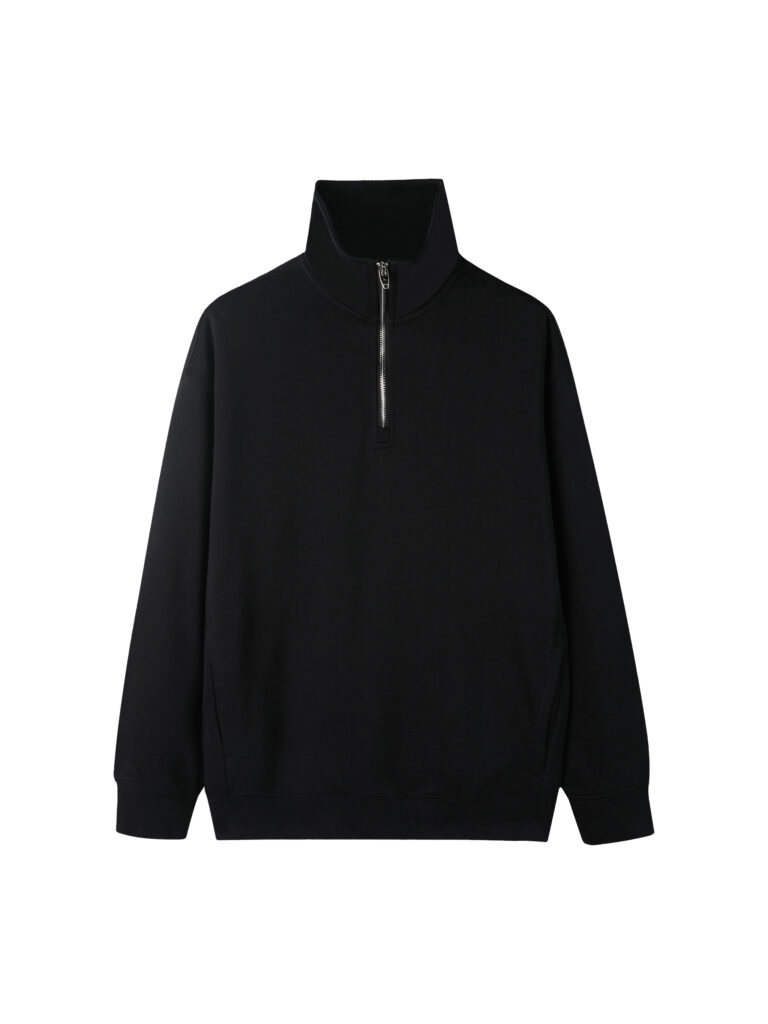
The 320 GSM quarter-zip front shows why artwork must clear the zipper, collar and welt pockets.
Keep artwork tied to its sweatshirt
Supply the artwork version, final dimensions, colour references and placement measured from agreed garment points. A centre-chest graphic, sleeve design and back print need different layout checks. Keep designs clear of a zipper, pocket, piping or raised seam unless the proposed process has been reviewed for that construction.
State whether artwork dimensions remain constant across the size range or change with the garment grade. Include every view and any personalised names or numbers. A screen preview helps communicate position; the decorated sample confirms scale, surface and finish.
Custom sweatshirt printing, matched to the surface.
Screen printing and ink selection
Screen printing can be reviewed for solid logos, halftones and multicolour artwork. Quantity, design size and colour separation affect preparation. Water-based, plastisol, discharge and silicone inks are different choices, not universal substitutes. Match the ink to the fibre, dye and required feel, and approve the representative print before bulk work.
Direct-to-garment printing
DTG applies artwork directly to a compatible textile. Several catalogue styles specify DTG support, including selected cotton and cotton-blend sweatshirts, but the face, garment colour, preparation and wash remain important. Some porous contrast-tape garments explicitly show uniform pinholes in DTG prints. Treat that product-specific surface effect as an approval decision.
DTF and other heat-applied graphics
DTF uses a printed transfer that is heat-applied to a suitable garment. The polyester crewneck and plaid quarter-zip have DTF-specific guidance; the plaid texture may remain visible through the design. Review transfer edges, flexibility, hand feel and dye or heat compatibility. Cut vinyl, printed vinyl and screen-printed transfers are separate routes to confirm.
Special effects, panels and all-over designs
Share puff, high-density, crackle, suede, foil, flock, metallic, reflective, UV-reactive or glow references as defined effects for feasibility review. All-over or hybrid work needs its repeat, panel layout and operation sequence. Sublimation requires a suitable polyester construction and base colour; it is not a general solution for a dark cotton sweatshirt.
Embroidery and embellishment with a clear purpose.
Choose the stitch, texture and placement around the sweatshirt. A tonal chest logo, plush varsity emblem and mixed-media graphic need different preparation and sample checks.
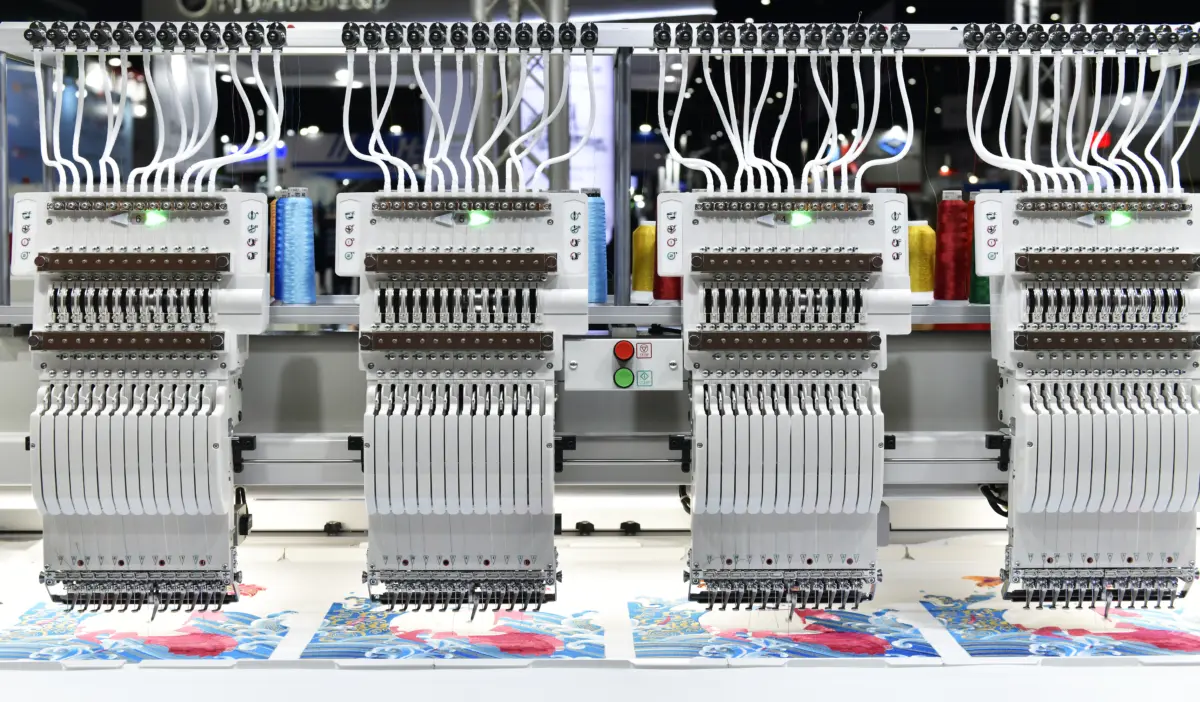
Flat textile embroidery on a multi-head machine. Licensed process reference.
Flat logos, raised textures and applied shapes
Flat embroidery uses structures such as satin, running and fill stitches for logos, lettering and motifs. Provide the final size: small text or fine lines may need adjustment. Review stitch coverage, backing, reverse-side comfort and puckering on the intended fabric, especially where the garment stretches.
For a raised or plush result, compare foam-backed 3D puff, chenille or moss/loop textures, chain stitch and combined flat outlines. Fabric appliqué, layered or reverse appliqué, raw-edge treatments and embroidered or chenille patches have separate material, edge and attachment decisions. A patch sample and its application to the sweatshirt can answer different questions.
Specialist embellishment needs its own sample
Cording, couching, ribbon/tape application, coiling and decorative thread or fringe effects add materials as well as stitches. Sequin, bead, crystal and mixed print-and-embroidery designs need an agreed attachment and operation sequence. Review their weight, flexibility, skin contact and care requirements on a combined sample.
Cutwork, eyelet or laser-assisted details; all-over, Schiffli or lace work; and specialist hand embroidery such as tambour beading, goldwork or silk shading should be submitted with a physical or close-up reference. Availability, support materials, sampling and production responsibility are confirmed for the project, rather than assumed for every catalogue sweatshirt.
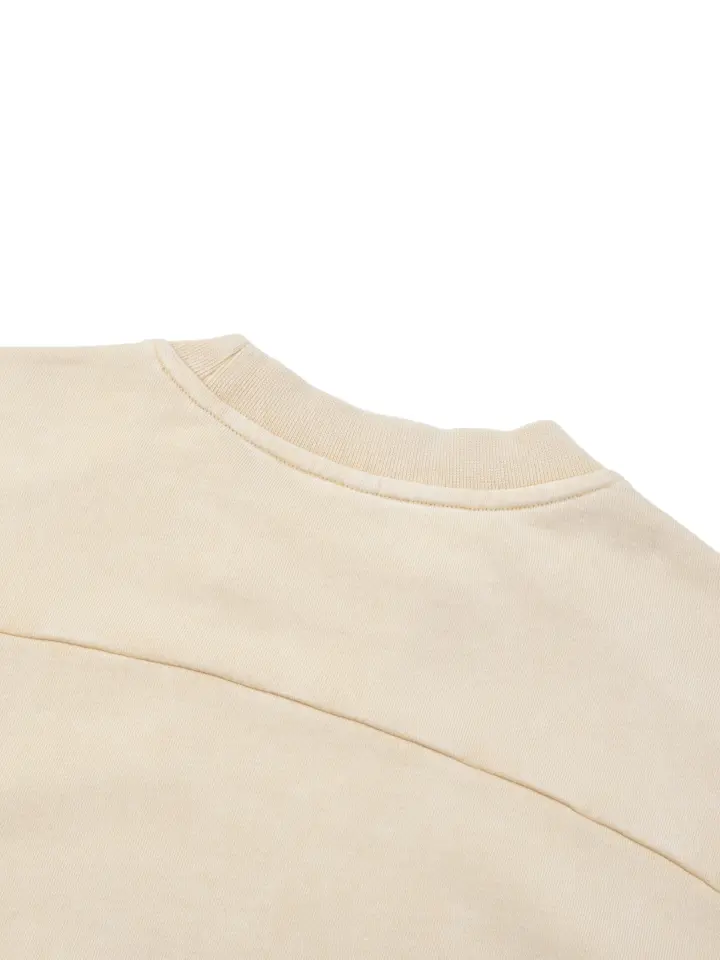
Rib collar and curved back panel on the 380 GSM mineral-wash sweatshirt.
Give colour an approval reference
Supply a colour standard, swatch or approved garment where possible. A photograph communicates direction, but lighting and screens change the apparent shade. Mark where fading, mottling, contrast or exposed raw edges should appear. Keep a reference for areas that need to remain consistent, such as a rib collar, zipper tape or contrasting panel.
For a matching sweatshirt and sweatpants set, compare the actual garments together. The same colour name does not establish the same shade on different fibres, fabric weights or wash processes.
Make the wash part of the specification.
Vintage, mineral, snow-washed, sunfade and dirty-washed styles give the catalogue different surface characters. These names do not describe one interchangeable process. Review the product’s composition, actual finish and care guidance before planning its decoration.
Approve shade, surface and variation
The washed range includes cotton, cotton-blend and fleece constructions. Some finishes are intentionally uneven or handcrafted, while selected products identify colour-transfer considerations. Agree the accepted shade range, fading, texture and distressing against a useful sample instead of expecting every piece to look digitally identical.
For original dye or wash development, identify the material and desired effect first. Confirm whether garment dye, pigment, enzyme or another proposed route is appropriate and what sample work is needed.
Review finishing with decoration and trims
Washing can interact with body dimensions, rib recovery, zippers, raw edges, labels and decoration. Agree the operation sequence and any combined trials before production. Check the finished garment after the required treatment, using the same measurement and care conditions for each comparison.
Private label sweatshirts, from neck label to carton.
Labels and product information
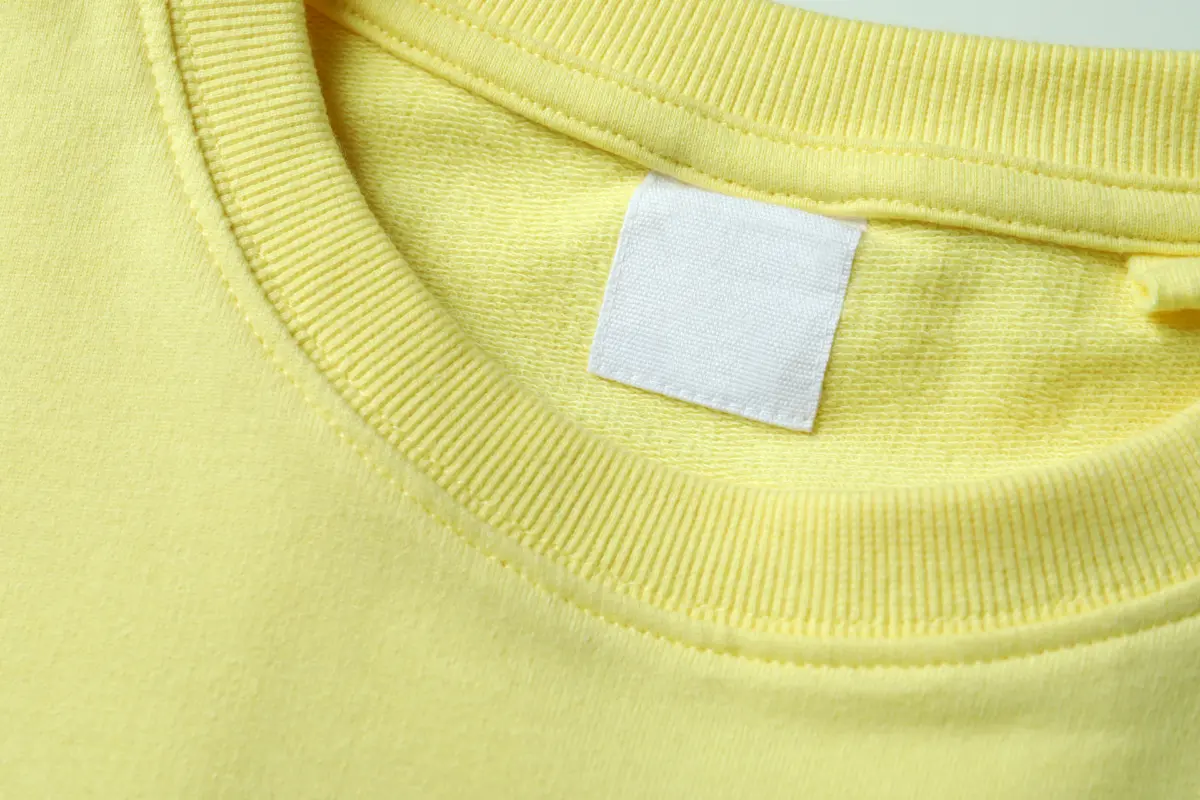
A blank sewn label inside a ribbed crewneck. Licensed private-label reference.
Bring brand, size, composition and care information into the garment specification. Supply approved artwork, dimensions, fold, material and attachment position for woven or printed fabric labels. Neck transfers, side-seam labels and hang tags have different application and legibility requirements, so identify the intended treatment rather than calling all branding a neck label.
State the destination market and any required product information before approval. Keep supporting material or certification evidence with the order where a claim needs it.
Make the label work with the sweatshirt
A crewneck, ribbed mock neck and zipped collar leave different space for branding. Review the neck label’s attachment and feel alongside tape, rib and seam allowances. A brand mark does not replace required care or composition information. Check the finished label set on the garment and keep artwork versions aligned with the approved product specification.
Packing for retail, wholesale and fulfilment
Plan the pack-out around how the garments will be received and sold. An individual retail presentation can differ from a wholesale carton or warehouse delivery. Agree folding, protective materials, size or SKU identification, barcode labels and carton quantities with the same style, colour and size breakdown used for production.
Keep every variant identifiable
A useful packing matrix connects the sweatshirt, its labels and its carton allocation. Confirm approved inserts and any destination or warehouse instructions before dispatch.
- Fold direction, protective packing and units per pack
- Style, colour, size, SKU and barcode information
- Hang tags, brand cards and agreed inserts
- Carton marks and quantities for each variant
- Receiving instructions and required shipment documents
Check readable label details and barcode scans where required. Keep the final matrix available to the fulfilment team so a similar-looking colour or size is not identified by appearance alone.
Turn the sweatshirt reference into an approved sample.
Start with what is ready and identify what still needs development. Each sample stage should answer a defined question before the next decision is repeated.
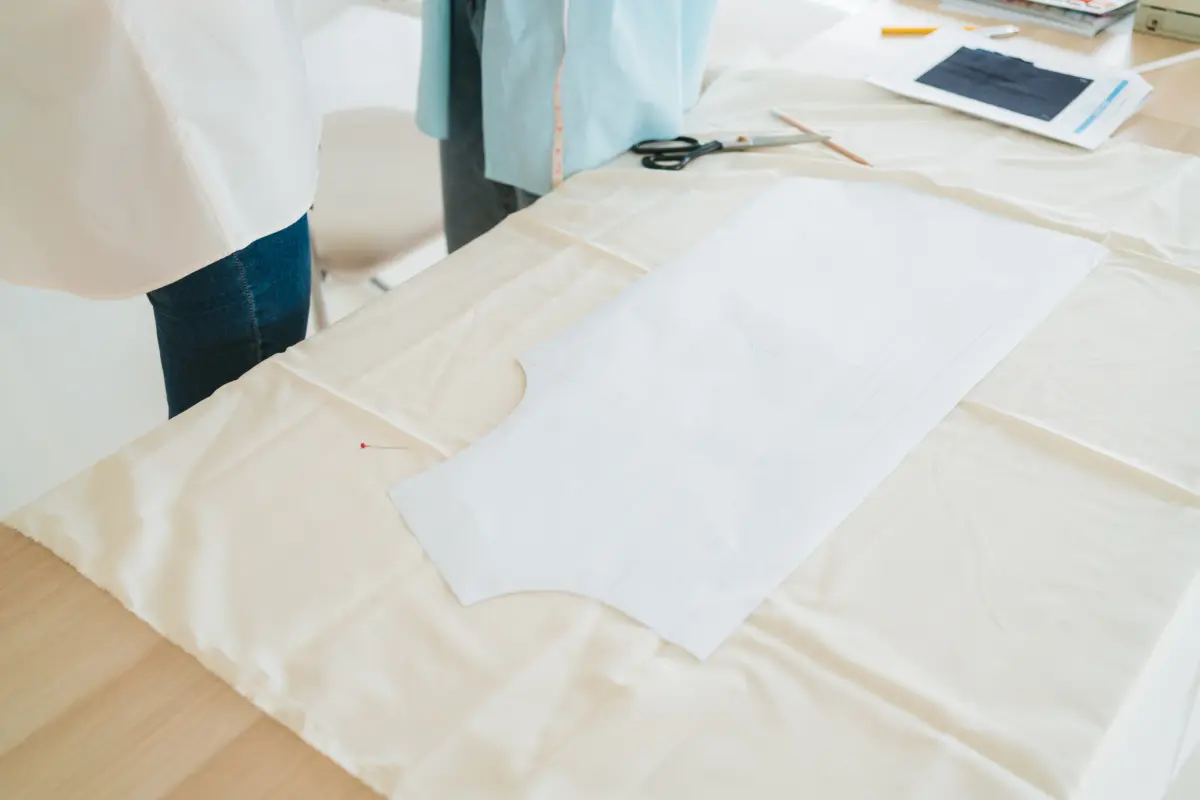
Paper pattern pieces, measuring tools and fabric on a cutting table. Licensed development reference.
Review the garment against the brief
Use measurements and annotated photographs to compare the sample with the intended sweatshirt. Consolidate the comments so fit, artwork and production teams work from one revision.
- Chest, body length, shoulder line and sleeve measurements
- Neck opening, collar height and rib proportions
- Cuff, hem, pocket, zipper and panel details
- Fabric face, inside feel, stretch and recovery
- Shade, wash, print and embroidery results
- Labels, packing and required care checks
Technical packs, patterns and size grading
A production-ready brief connects garment drawings, points of measure, a size chart, materials and trims with seam, stitch and artwork instructions. Include front, back and close-up references, marking which details are essential. Agree the pattern and grading work required for an original silhouette and show how each measurement is taken.
Give files and sample revisions a clear version or date. Record changes to fit, wash, artwork or packing against the previous approval so the production team can identify the current reference.
Choose the sample stages the project needs
A prototype checks the design direction; a fit sample examines proportions; a decoration approval examines artwork and surface. A size set and pre-production reference address different repeatability questions. Agree the stages needed for your product instead of assuming one sample resolves every decision.
Identify the garment, material, colour, artwork and technical files that govern production. Record acceptance or revisions clearly, and specify any testing or third-party inspection before bulk release. A reference photograph is useful, but it is not a substitute for an approved garment where physical details matter.
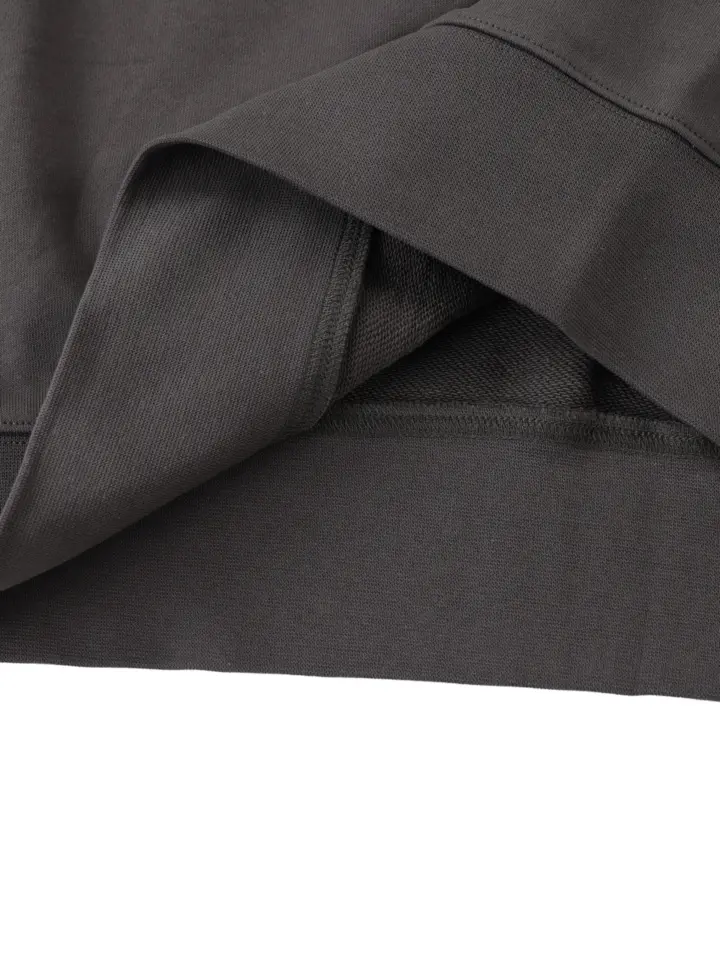
The 530 GSM cotton sweatshirt hem lifted to show ribbing, the inner surface and seam stitching.
An inspection plan needs clear acceptance criteria
Agree the approved sample, measurement methods, technical files and workmanship criteria before production. Use the same reference to check fabric, construction, decoration and packing. Record intentional fading, raw edges or distressing so they are not confused with an unintended issue.
If an AQL sampling plan is required, identify the agreed inspection basis. AQL describes acceptance sampling; it does not mean that every unit was inspected. Confirm any required third-party inspection and reporting scope in advance.
Define sweatshirt quality in terms you can inspect.
Measurements and workmanship
Check dimensions against the agreed points and tolerances, including body, sleeves, neck and rib openings. Review seam joins, stitch appearance, loose threads, collar attachment, pockets and hem finish. On zipped styles, check the closure and surrounding construction. Compare plaid or contrast-panel alignment where it forms part of the approved design.
Decoration, labels and packing
Inspect artwork position, dimensions, colour and the approved print or stitch appearance. Check patch and embellishment attachment where relevant, together with label information and placement. Match finished garment sizes and quantities with the order breakdown and carton identification. The packing check should follow the same product identity as the garment inspection.
Wash, wear and performance evidence
For shrinkage, pilling, colourfastness, stretch recovery, seam or decoration durability, define the method, conditions, number of cycles and required result. Test the relevant finished construction where processes interact. A fibre name, fabric weight or claim on another style does not establish the result for your sweatshirt. Retain the agreed evidence with the approval.
Understand what sets the minimum and the price.
A stock sweatshirt, original pattern, special material and custom dye can have different setup costs and minimum quantities. Quote the actual project rather than assuming one rule covers every style.
Give quantities by style, colour and size
A total order quantity does not show how many versions need material, artwork setup and handling. Share the size and colour split for each sweatshirt, including whether artwork changes. Samples and bulk production are confirmed separately; check the chosen product or request the applicable development minimum.
For a first collection, identify the core style and the options you can simplify. For a repeat run, state the approval reference and whether the material, finish or branding changes.
Compare the full quotation scope
Material consumption, fabric weight, pattern work, grading, rib, zippers, pockets, washes, decoration and packing all influence the manufacturing scope. Digitising, screens, transfers, specialist components, testing and inspection may need separate identification. Freight and import charges also require confirmation.
Compare like-for-like specifications and terms. Share a target budget with essential details and acceptable alternatives so choices can be reviewed before approving a lower price that describes a different garment.
Keep one clear reference through production.
Connect the brief, approvals and quantity breakdown from the first enquiry to the packed sweatshirt. Each handover should identify the current material, garment and artwork reference.
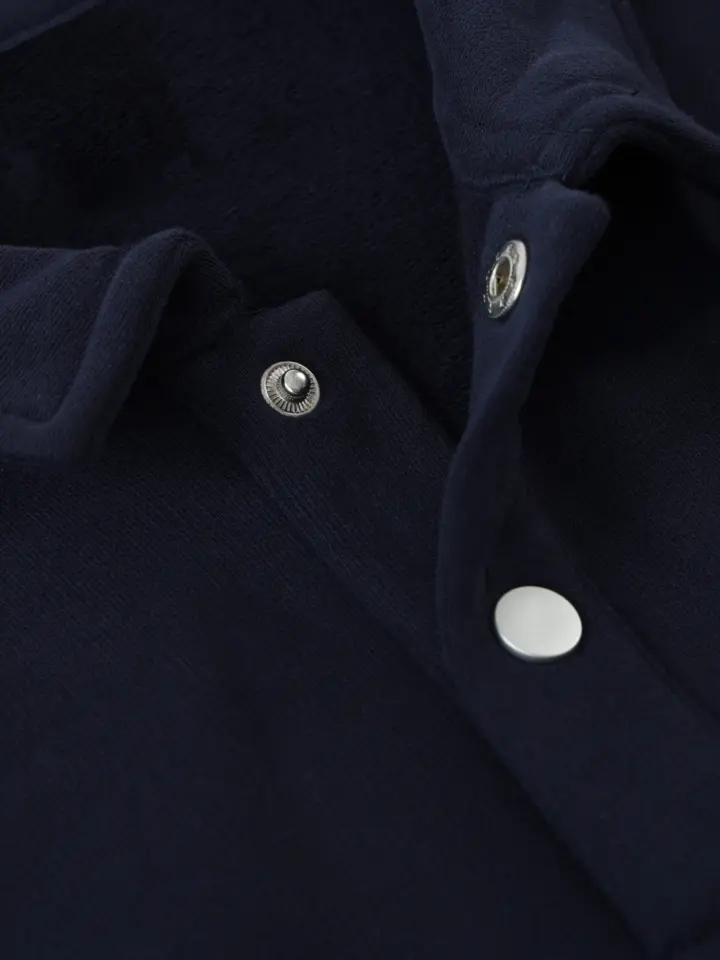
Snap fasteners and placket construction on the 380 GSM polo-collar sweatshirt.
Fabric preparation, cutting, joining, rib attachment, closures, decoration and finishing need to follow the agreed sequence. Confirm whether artwork is applied to panels or completed garments and how washing affects the next stage.
Explore cut, sew and trim or connect the stages through our full clothing manufacturing services.
Define the brief and manufacturing route
Send the intended fit, fabric, neckline, construction, artwork, quantities and destination. Identify the deadline and the decisions still open. Confirm whether the project starts with an existing sweatshirt or original development, then agree the quotation and sample work before manufacturing commitments are made.
Review the sample and record approval
Compare fit, material, shade, finish, decoration and labels with the brief. Keep one consolidated revision list and identify the accepted reference. Confirm which sample and technical files govern bulk production, including any required wash, care or attachment checks.
Release the agreed specification
Confirm the order breakdown and approval reference before release. Account for material availability, trims, setup, sign-off and required testing or inspection in the production schedule. Record later changes explicitly so an older artwork file or sample does not become an unintended instruction.
Reconcile, pack and dispatch
Match finished quantities with the style, colour and size breakdown, then follow the approved pack-out and shipment instructions. Keep production completion, dispatch and transit as separate milestones. Retain the order, packing and tracking references so the receiving team can follow the handover.
Sweatshirt manufacturing for where your brand sells.
We work with clothing brands serving the USA, Europe and international markets. Worldwide shipping options, payment arrangements and any expedited commitments are confirmed for the specific order.
Plan production and transit separately
Provide the destination country, postcode, shipment size and required arrival date early. Sample approval and manufacturing happen before dispatch; transit time begins afterwards. Available routes depend on the shipment and destination, and customs or carrier conditions can affect arrival.
Review our shipping information and confirm the selected service with the order. Serving US customers does not, by itself, describe the manufacturing country of a garment.
Fast-track projects and fixed launches
Request an expedited schedule before ordering. We review the material and trim availability, sample decisions, production capacity and shipping route. Any accepted fast-track production, dispatch commitment or guaranteed carrier service must be expressly confirmed for the actual specification and destination. Keep required arrival dates visible throughout approval so late changes can be assessed.
Agree delivered cost and customs responsibilities
Confirm shipping terms, documents and the party responsible for import duties and taxes before dispatch. These costs are included only where the available service and quotation expressly say so; other routes can leave charges payable by the recipient. USA, UK and European destinations may require different order and shipment information, so name the actual receiving country.
Payment and production release
Use the payment methods offered at checkout for your order, including eligible card or digital-wallet options where available. Availability can depend on destination, device and order conditions. Separately quoted manufacturing projects follow their stated payment, deposit, balance and production-release terms. Confirm the complete scope and schedule before payment rather than treating checkout as approval of unresolved details.
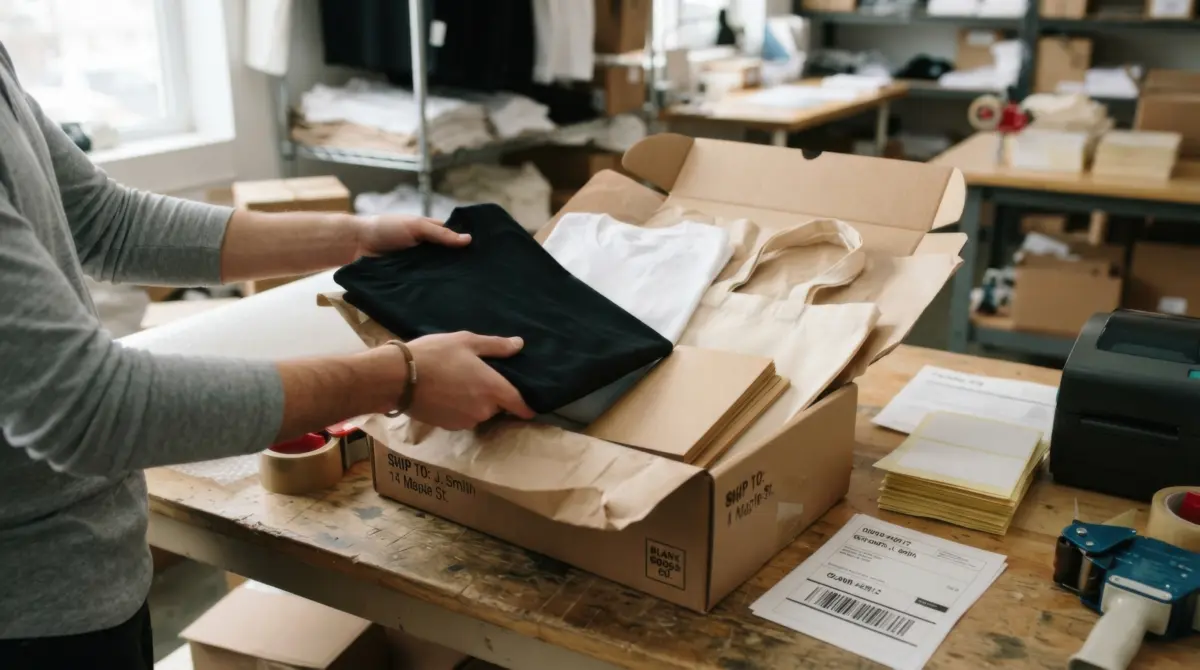
Folded garments and protective packing for dispatch. Licensed packing reference.
Prepare the order for your fulfilment team
Connect the product brief with the shipping handover before dispatch. Clear variant and carton information helps the receiving team identify a finished range without guessing from a garment’s colour or appearance.
- Confirm destination, delivery contact and receiving instructions.
- Reconcile quantities by sweatshirt, colour and size.
- Approve protective packing, barcode files and carton marks.
- Check shipping terms and required documents.
- Retain dispatch, packing and tracking references.
For a launch with a fixed date, plan sourcing, sample approval, production and transit as separate parts of the confirmed schedule.
Custom sweatshirt questions, answered.
Can I customise a catalogue sweatshirt or develop my own design?
Both routes can be reviewed. A catalogue sweatshirt provides a defined fit, fabric and construction for branding. A new body, neckline, sleeve, trim or material needs a development brief and appropriate sample work. Share your reference and the changes you want so the quotation distinguishes garment development from decoration.
What sweatshirt styles can I explore?
The range includes crewnecks, boxy and oversized bodies, dropped-shoulder and raglan styles, mock necks, V-necks, polo or lapel collars, quarter-zips and half-zips. Washed, plaid, contrast-panel, piping and raw-edge details provide further choices. Check each product’s actual specification rather than assuming every shape has the same fabric or decoration options.
What does 420 GSM mean for a sweatshirt?
GSM is the mass of one square metre of fabric. The catalogue’s 420 GSM crewneck and dolman-style boxy sweatshirt have different compositions and construction. Compare weight with the material, inside surface, drape, fit and intended finish. A higher number alone does not establish softness, low shrinkage or decoration durability.
Which fabric should I choose for custom sweatshirts?
Start with the intended wearing experience and silhouette, then compare the exact composition, face, inside surface, weight, stretch and finish. The catalogue includes cotton, cotton-polyester blends, polyester-rich fleece and selected stretch constructions. For a special material or French terry development, supply the required reference and confirm availability through sampling.
How do boxy, oversized and drop-shoulder fits differ?
Boxy describes body proportions, oversized describes the intended room, and drop shoulder describes the position of the sleeve seam. They can appear together but do not define the same feature. Agree chest, length, shoulder, sleeve and opening measurements, with consistent methods and grading, then review the sample worn.
Can quarter-zip, half-zip and mock-neck sweatshirts be customised?
Review the chosen style and decoration together. A zipper, raised collar, pocket or panel seam can restrict a graphic or embroidery placement. Provide artwork dimensions and location, and check the decorated sample with the neckline open and closed where applicable. Confirm method, access and final placement before bulk approval.
Should I choose screen printing, DTG or DTF?
The appropriate route depends on fabric, garment colour, artwork, quantity, placement and required feel. Selected products specify DTG or DTF support; others need a process review. Screen printing involves its own separation and ink choices. A representative sample should confirm the colour, surface, coverage and care requirements for your sweatshirt.
Can I add embroidery, chenille, appliqué or patches?
Share the artwork, finished size, placement and texture reference. Flat embroidery, raised puff, chenille or chain textures, appliqué and patches require different digitising, materials, support and attachment. Specialist embellishment is confirmed for the project. Approve the stitch-out or applied sample on the intended sweatshirt construction before repeating it.
Can you create vintage-washed, mineral-washed or sunfade sweatshirts?
The catalogue includes several defined washed finishes. Check the actual product composition, surface and care notes. For original development, supply a physical or visual reference and identify the desired shade, fading and accepted variation. Confirm the treatment, operation sequence and sample work rather than treating different wash names as one process.
Can I add private labels and branded packaging?
Include label artwork, dimensions, material, fold and attachment position, with the required brand, size, composition and care information. Specify hang tags, barcodes, folding, protective packing and carton marks where needed. Destination-market requirements and supporting claims should be reviewed before the garment and pack-out are approved.
What is the minimum order quantity for custom sweatshirts?
The minimum depends on the garment route, material, colours, trims, decoration and setup. Catalogue customisation and original pattern, fabric or dye development can have different constraints. Provide quantities by style, colour and size to receive the applicable minimum and quotation; samples and bulk production are confirmed separately.
Should I approve a sample before bulk manufacturing?
A sample gives you a physical reference for the decisions that matter: fit, material, construction, wash, decoration and labels. A prototype, fit sample, size set or pre-production sample answers a different question. Agree the stages your project needs, consolidate revisions and identify the approved sample and files that govern production.
What affects the sweatshirt price and production schedule?
Fabric, consumption, pattern and grading work, trims, washes, decoration, quantity breakdown and packing influence the quotation. Availability, setup, approvals and required testing affect timing. Compare the full specification and terms, and provide the target arrival date early so production and delivery can be planned separately.
Do you deliver sweatshirts to the USA, Europe and worldwide?
Provide the destination country, postcode, shipment size and target date so a suitable route can be confirmed. Agree production, dispatch and transit milestones, with documents, duties and taxes identified in the quotation and applicable terms. Serving a market does not itself describe the garment’s manufacturing country.
Can you support a fast-track order or fixed launch date?
Request an expedited schedule before ordering. Material and trim availability, sampling, approvals, production capacity and the delivery route need review. Any accepted fast-track commitment or guaranteed carrier service must be expressly confirmed for the specific project. Flag later changes promptly because they can affect the approved schedule.
How do I keep a repeat sweatshirt order consistent?
Retain the approved garment, technical pack, artwork version, material and shade references, inspection criteria and packing matrix. Identify the previous order and every proposed change. Review whether a revised fabric, wash, fit or decoration needs a fresh sample before reusing the specification for the next production run.
Let’s define your next sweatshirt.
Build a focused first collection or extend an established range. Share the customer, silhouette and details that make the garment yours. We’ll review the appropriate manufacturing route and the information needed for a clear quotation.
A useful brief makes the next step clear
Already have an approved sweatshirt? Identify the fit, material, wash and branding that should stay consistent, with any planned changes marked clearly. Starting from an idea? Send a sketch, reference garment or photographs and identify the neckline, body, sleeve and finishing decisions still open.
Name who approves fit, artwork and the final specification when several people review the collection. Consolidate sample comments and flag a fixed launch date so the quote can account for the necessary development and approval stages.
Include in your sweatshirt request
- Reference garment, sketch or technical pack
- Fabric composition, GSM, inside feel and finish
- Crew, V, mock, polo or zip-neck requirements
- Body, shoulder, sleeve, cuff and hem measurements
- Pockets, panels, piping, trims or raw-edge details
- Artwork, dimensions, colours and placement
- Quantities by style, colour and size
- Labels, packing, testing and inspection requirements
- Destination, budget and required arrival date
Need support across several stages? Explore our manufacturing services. Plan a coordinated range with custom sweatpants, related custom hoodies or lighter custom T-shirts. Review matching colours and proportions on the actual garments.