

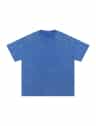
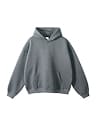
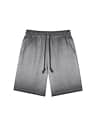

DEVELOP THE COLOR, FEEL AND WORN-IN CHARACTER
Garment dyeing and washing
Create a clearer brief for garment color, washed appearance and fabric feel. Match the process to the material and construction, then review a color or wash trial so shade, variation and finished dimensions have a physical reference.
A screen image sets direction; a physical shade or finish sample gives a clearer matching reference.
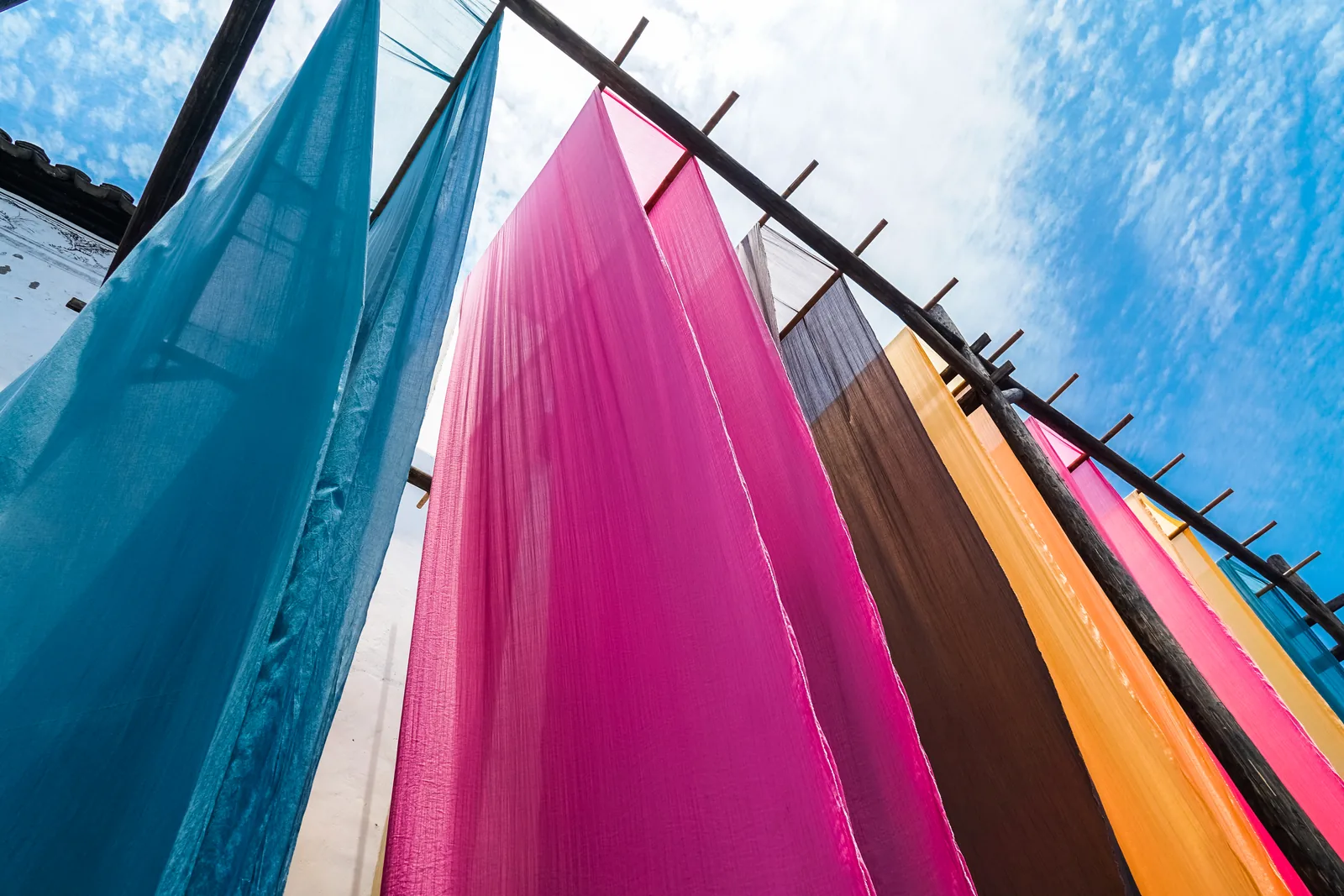

Define the starting point
Identify fiber, construction, current color and whether work starts with fabric or garments.
Make the reference clear
Separate the shade target from fading, texture and the finished feel.

Approve the change
Review the trial for appearance, dimensions and compatibility before releasing the lot.
Explore the service
Explore color, wash and finishing options
Bring the starting fabric or garment with a physical shade or finish reference. Coloration stages, wash effects and specialist finishes need a material and production review; the quote and trial identify the confirmed route and checks.
Color development and lab dips
Set the shade using a physical standard and the actual substrate. The accepted color, lighting conditions and relevant fastness expectations need to remain connected to the trial and production reference.
- Physical shade standards and color references
- Lab dips or representative color trials
- Shade range and lot matching
- Colorfastness and care requirements
Fiber, yarn, fabric and garment dyeing
Identify whether the starting material is fiber, yarn, fabric or an assembled garment. Include fiber- or yarn-stage coloration as a material and supply request for feasibility review. The selected stage, process and trial are then confirmed for the product.
- Fiber or stock-dyeing requests
- Yarn-dyeing requests
- Piece or fabric dyeing
- Garment dyeing and prepared-for-dye material review
Dye and pigment systems
Select the color system for the fiber and required result. Dye families and pigment coloration are different technologies; suitability, feel and care performance should be reviewed on the textile rather than inferred from the name.
- Reactive, direct, vat and sulfur routes for suitable cellulosics
- Acid and related routes for suitable wool or polyamide
- Disperse routes for polyester
- Pigment coloration and binder-based surface effects
Solid color, overdye and resist effects
Describe the color distribution as well as the shade. An even solid, tinted base and deliberately varied resist effect need different visual standards and can respond differently across the components of a garment.
- Solid shades and overdye
- Tinting and tonal effects
- Dip and ombre gradients
- Tie-dye and other suitable resist effects
Rinse, enzyme and stone washing
Separate cleaning and preparation from appearance development. Rinsing, desizing, enzymes and abrasion can serve different purposes and may be combined when the fabric and intended result support the route.
- Rinse and garment wash
- Relevant desizing and cleanup
- Enzyme washing or biopolishing
- Stonewash and enzyme-stone combinations
Fading, discharge and distressed looks
Approve a physical appearance, including the amount and location of variation. Names such as vintage, acid, snow, mineral and marble can describe looks rather than one universal recipe.
- Controlled bleaching or color-discharge effects
- Whiskers, worn highlights and localized abrasion
- Distressing, frayed edges and tears
- Vintage, snow, acid, mineral and related visual references
Laser, ozone and specialist application routes
Share laser, ozone or nanobubble-assisted application requirements as specialist process requests. Include the textile, existing color, trims and intended surface effect so material compatibility and production feasibility can be reviewed. The quote and trial identify the confirmed route and checks.
- Laser-marking and localized-fade requests
- Ozone-treatment requests for suitable textiles
- Low-liquor or nanobubble-assisted application requests
- Compatibility checks for trims, prints and embroidery
Mechanical fabric finishing
Mechanical treatments alter surface texture, dimensions or appearance. Specify the result you need and compare the fabric after processing; preshrinking does not mean that all future dimensional change disappears.
- Raising, napping and brushing
- Sueding/emerizing, sanding and shearing
- Calendering and surface texture
- Compaction, compressive shrinkage and width control
Softening and functional finish requests
For a functional-finish request, name the property you want, the textile, care conditions and the evidence needed for the finished product. Material and treatment feasibility must be reviewed; the quote identifies the proposed work and verification requirements before any performance claim is made.
- Softening and handle adjustment
- Easy-care and durable-press requests
- Moisture-management or water-repellent treatments
- Coating, lamination and other functional-finish requests with specified checks
Which result needs to be developed?
Choose the reference that best describes the change you want to see.
Give color a physical reference.
Supply composition, current shade and a physical color standard where available. Explain whether the target is solid color, overdye, tint or a patterned effect, and identify the trial and acceptance range needed.
- Starting material and color
- Physical shade target or standard
- Lab dip/trial and lot approval basis
Show the character, not just its name.
A vintage or snow-wash image is a starting reference, not a complete instruction. Describe light and dark areas, surface wear, softness and variation, then approve the result on the actual garment and trim combination.
- Before/after or physical reference
- Localized effects and variation limits
- Measurement and compatibility review
Translate the finish into a check.
State the intended handle, surface or functional result. Identify which changes can be approved by a physical sample and which need an agreed test. Connect the finish with construction, care and final measurements.
- Handle or surface reference
- Required property and test basis
- Care, shrinkage and finished dimensions
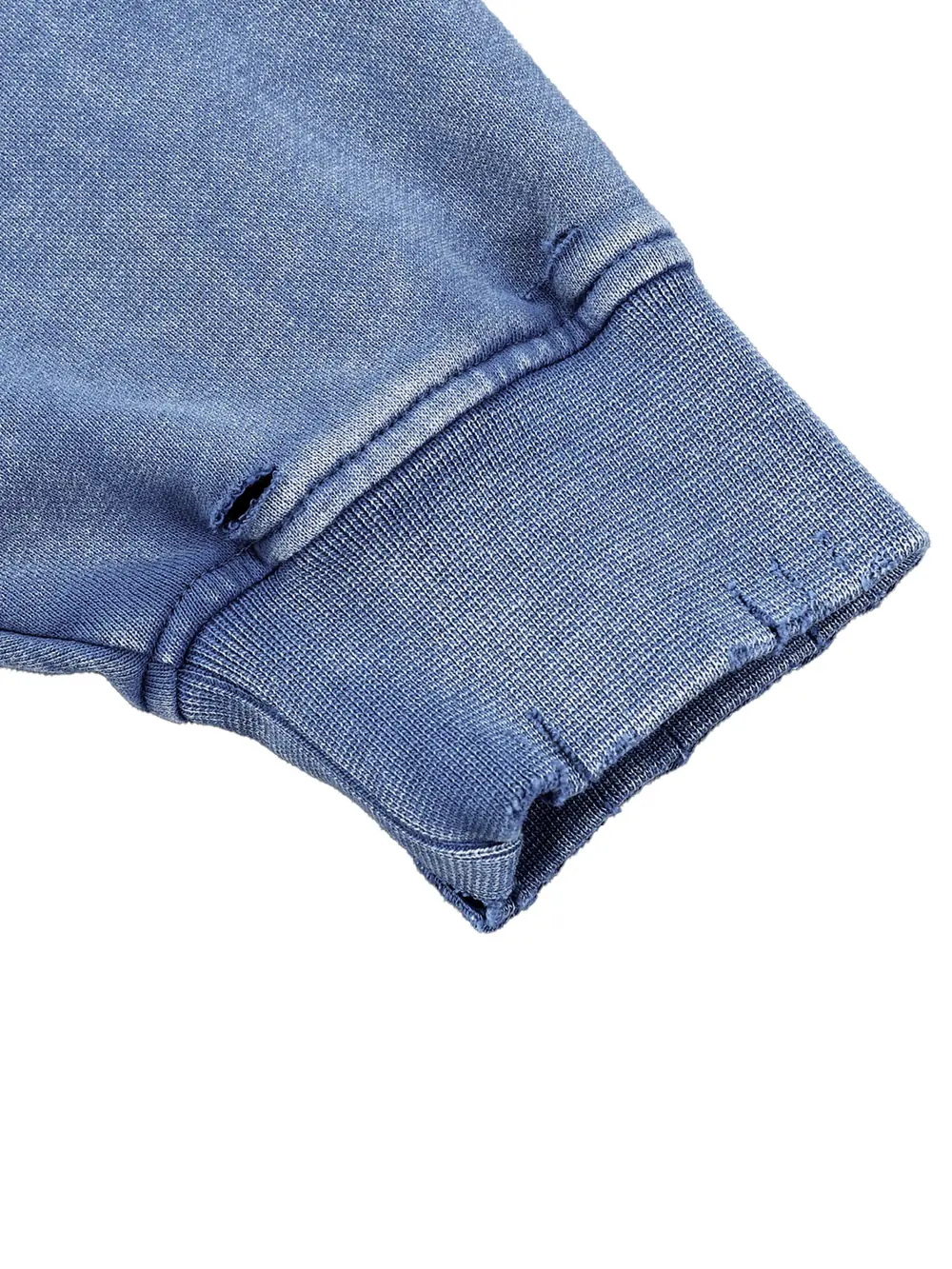
Catalogue finish reference — washed and distressed cuff of the 400 GSM Snow-Washed Frayed Cotton Hoodie. View garment
Send the material and the approval standard
Color, appearance and dimensions belong in the same brief when processing the assembled garment.
Starting material
State composition, construction, weight where known, current color and whether you supply yarn, fabric, panels or assembled garments.
Target reference
Send a physical standard or clear before/after reference. Mark shade, effect placement, texture, softness and acceptable variation.

Construction and trims
List closures, ribs, labels, elastic, print and embroidery already present or planned. Identify items needing a compatibility trial.
Quantity and checks
Give quantity by style/color/lot, finished measurements, sample needs, care requirements and any performance test specification.
Material history, process route, lot size, trial work, drying/finishing and agreed checks affect the quote and timing. Make the sample approval point clear before production.
From a color or wash reference to a repeatable brief
Review color, surface character and feel on the actual material. Connect the starting fabric with fabric sourcing and development, and coordinate trials with cut, sew and trim manufacturing where shrinkage, construction or processing sequence affects the garment.
Good questions
Dyeing and washing questions
Clear answers before the work begins.
Can you match a color from a screen image?
A screen image communicates direction but does not replace an agreed physical shade standard. Share the starting material and reference. The appropriate lab dip or trial should establish the accepted color and range for the project.
Can printed or embroidered garments be washed or dyed?
Provide the complete specification and processing sequence. Thread, prints, adhesives, closures, labels and fiber components can respond differently. The trial should evaluate the combination before the production lot is released.
Does washed or preshrunk mean no further shrinkage?
Do not assume zero dimensional change from a process name. Define finished measurements, care and checks for the material. An approved sample and relevant test results provide a clearer basis than an unqualified shrinkage promise.
Are snow, acid, mineral and vintage wash separate recipes?
These names often describe an appearance and vary between producers. Share a physical or detailed visual reference, describe variation and localized effects, and approve a sample. The quote should name the actual agreed processing scope.
Your project, clearly defined
Share the material and target finish
Send composition, starting color, quantity and a physical shade or wash reference where available. Include garment trims, existing decoration, finished measurements and care expectations so the trial can answer the questions that matter for production.
Send what you have and mark what still needs development. The quote will identify the next steps for your product.