

Custom sweatpants.
Made yours.
Custom sweatpants manufacturing for clothing brands. Develop your fit, fabric, print, embroidery and private labels, or customise a catalogue style.
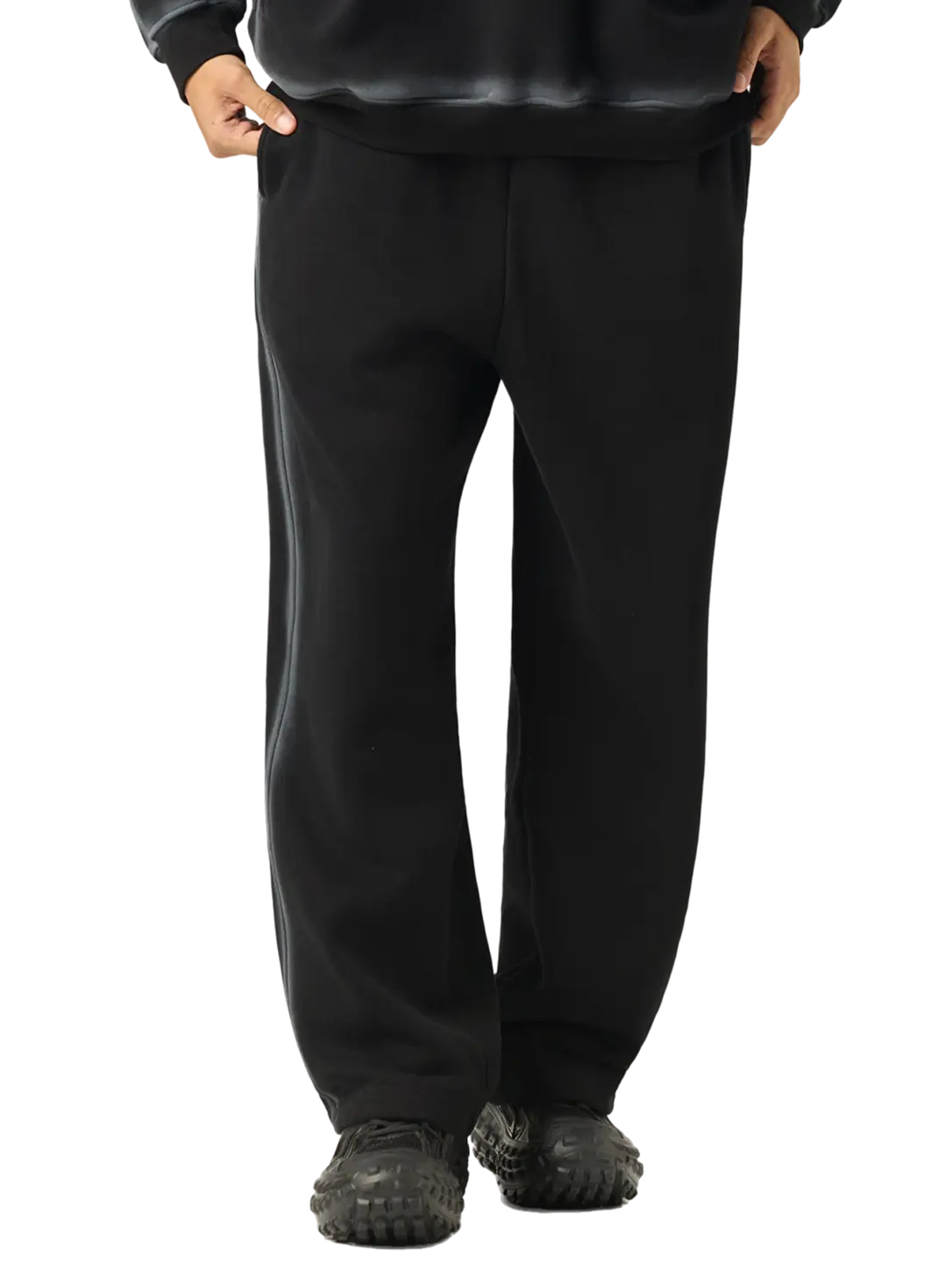
Find the sweatpants behind your next collection.
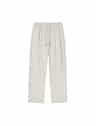
Explore cotton sweatpants, cuffed fleece joggers, vintage washes, barrel-leg shapes and contrast piping from the Customwears catalogue. Compare the actual composition, measurements and decoration options for each style.
Need a different silhouette? Explore original sweatpants development to define the fit, fabric and construction before sampling.
Choose your sweatpants starting point
- Compare the fit: rise, leg shape and cuffed or open hems.
- Review the fabric: composition, inside finish, weight and drape.
- Plan printing or embroidery around pockets, seams and the garment surface.
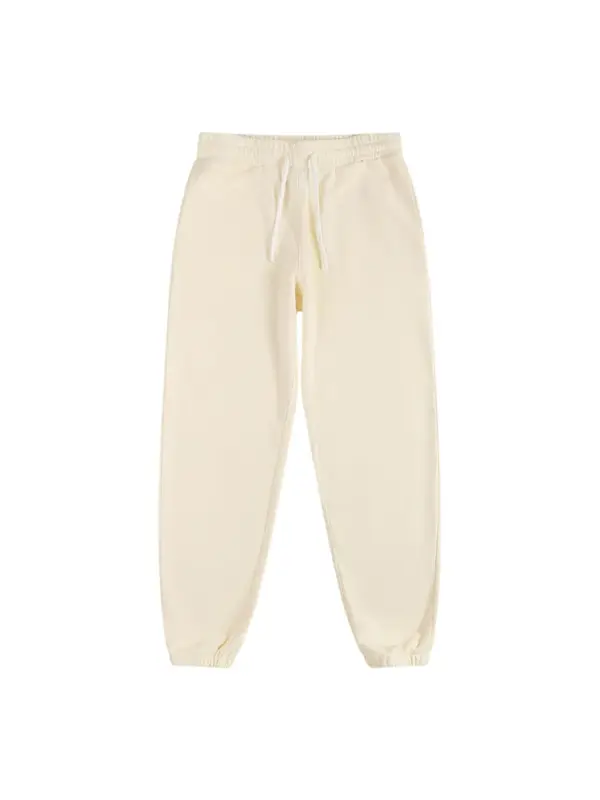
Essential Cotton Drawstring Sweatpants
100% cotton. Regular unisex fit with a drawstring waist and cuffed hems.
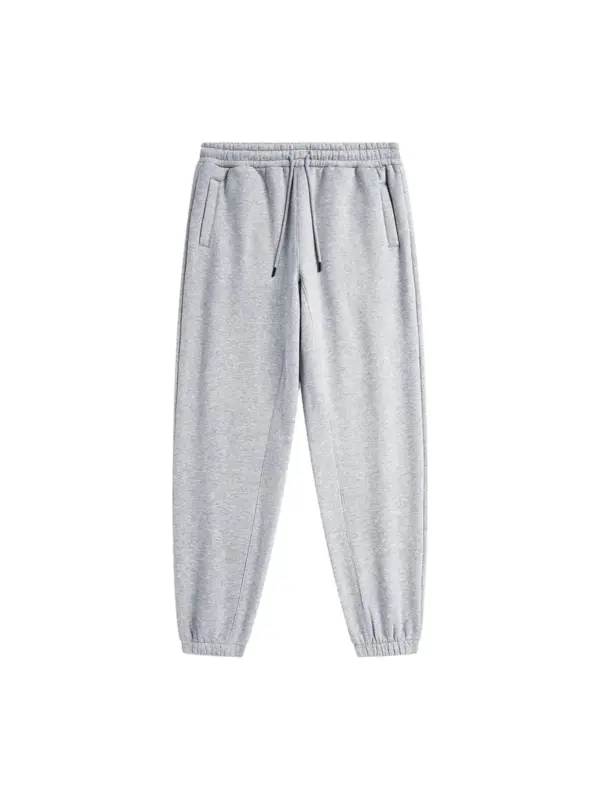
Customizable Unisex Heavyweight Fleece Joggers
345 GSM cotton-polyester fleece. Regular unisex fit with tapered cuffed legs.
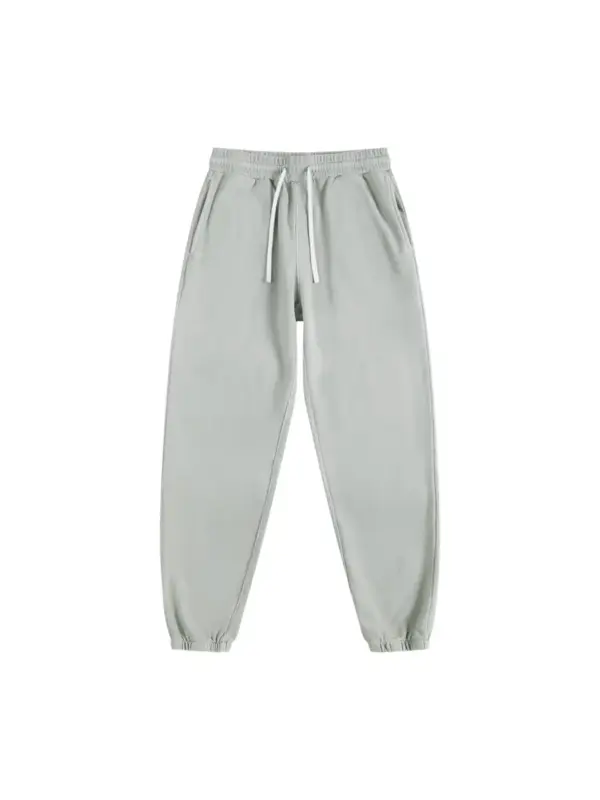
Vintage Washed 340 GSM Cotton Sweatpants
340 GSM cotton with a vintage enzyme wash, drawstring waist and gathered ankles.
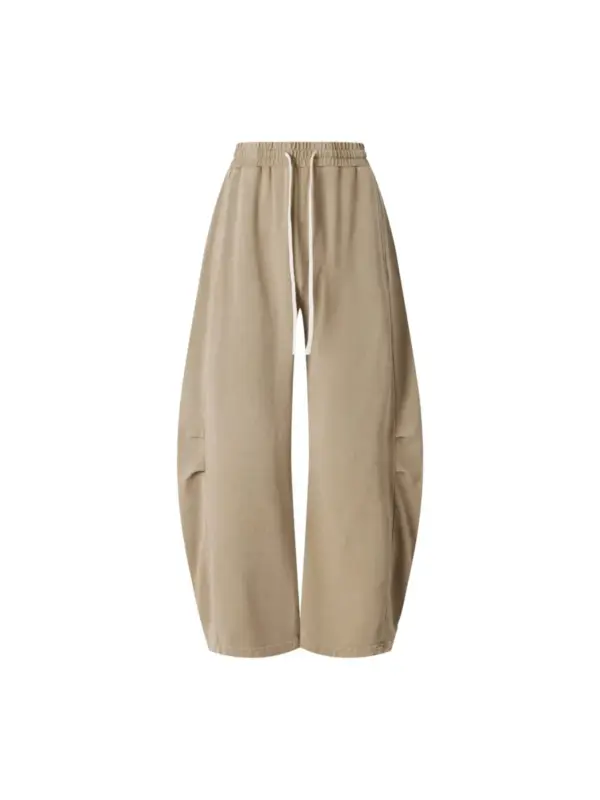
Unisex Mineral Wash Cotton Barrel Leg Pants
320 GSM cotton knit. Mineral-washed finish with a loose curved barrel-leg shape.
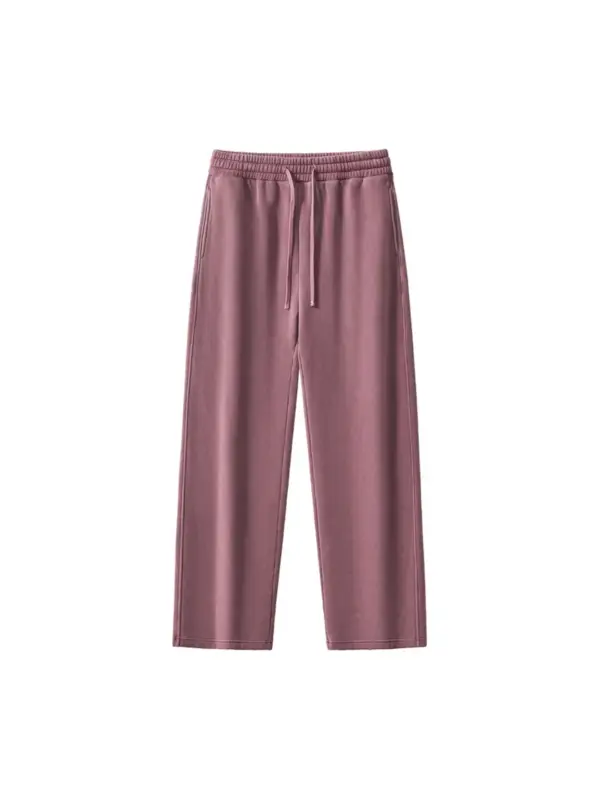
Frayed Enzyme Washed Straight Leg Fleece Sweatpants
350 GSM enzyme-washed fleece. Straight legs with deliberately frayed finishing.
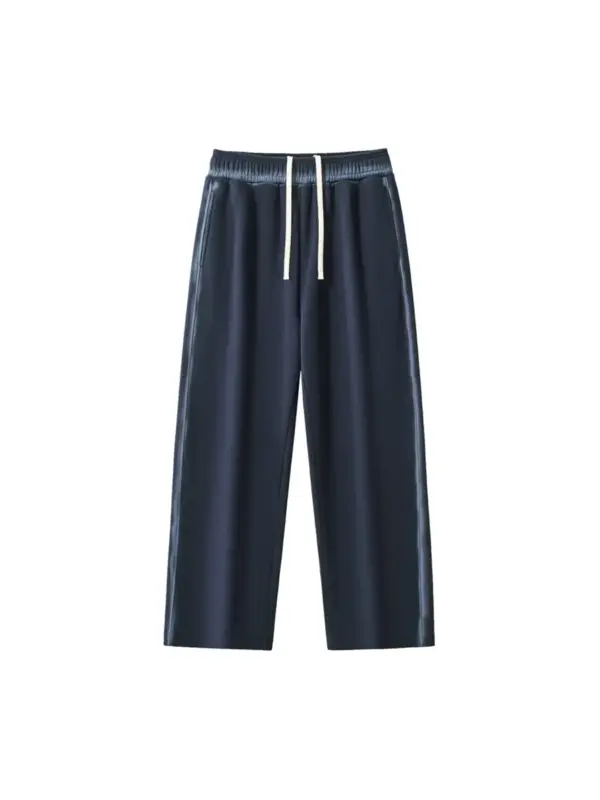
Sunfaded Edge Heavyweight Fleece Sweatpants
350 GSM brushed fleece. Oversized straight legs with faded seam edges and open hems.
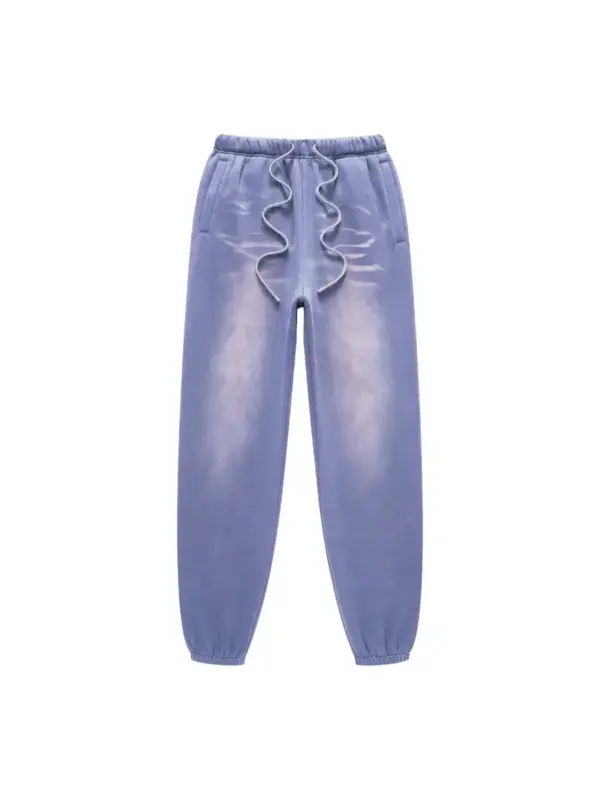
Sunfade Heavyweight Fleece Sweatpants
375 GSM fleece with a loose unisex fit, gathered ankles and sunfade wash.
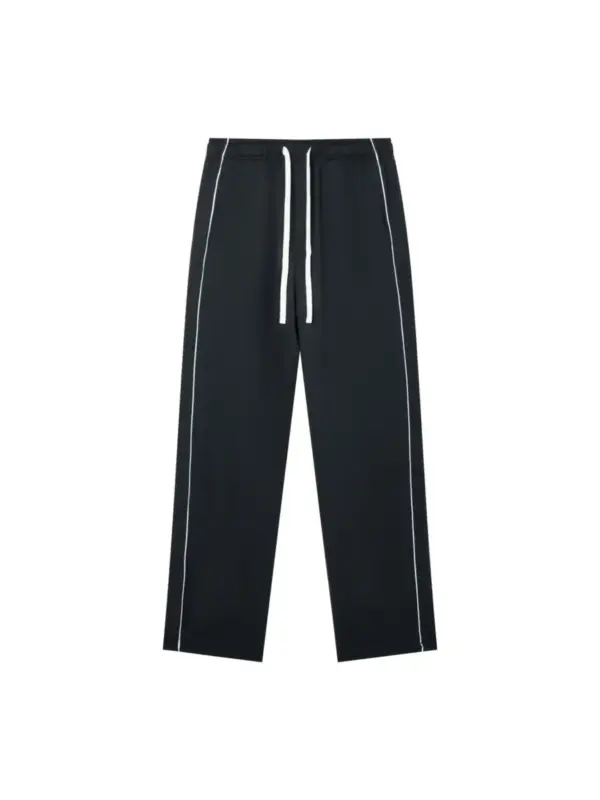
Men’s Contrast Piping Straight Leg Sweatpants
285 GSM polyester-spandex knit. Loose straight legs with contrast side piping.
Compare the complete silhouette
Look at the rise, thigh volume, knee shape, leg opening and hem finish together. Cuffed joggers and open-hem sweatpants can share a fabric while creating very different proportions. Review both the front and side profile and confirm how the waistband and pockets sit when worn.
Request the garment measurement chart for your chosen style and colour. Include its catalogue name and any changes in your sample brief, so the team can confirm the starting reference before development.
Build a coordinated collection
Develop the sweatpants around the customer and the pieces they will wear together. Compare colour, fabric surface and finishing with your hoodie or T-shirt. A matching colour name or GSM alone does not guarantee that two garments will look and feel like a set.
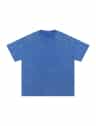
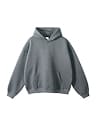
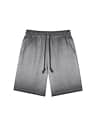
Explore custom hoodies for a coordinated set, custom T-shirts and shorts for a seasonal range.
An existing style or your own original fit?
Choose the manufacturing route around your design, budget and the details that still need development.
Customise a catalogue style
Begin with a garment whose existing fit, fabric and colours suit your customer. Review the product measurements and construction, then plan printing, embroidery, labels and packing around that defined base.
- A practical starting point for a focused first collection or branded essentials.
- Compare current style specifications and available options.
- Confirm artwork, branding and the sample required for approval.
Develop original cut-and-sew sweatpants
Bring a technical pack, reference garment or clear design brief when your collection needs a different rise, leg shape, waistband, pocket arrangement or material.
- Define measurements, fabric, trims, construction and decoration.
- Agree pattern development, grading and sample stages.
- Approve the production reference and quantities by size and colour.
Begin with the customer who will wear them.
A useful manufacturing brief connects the garment with its wearer, retail position and intended use.
Your first clothing collection
Start with a focused silhouette, core colours and realistic size quantities. Decide which details define your brand and which can follow an existing style. A coherent first range gives you clearer comparisons during sampling and a more useful reference for future orders.
Established brands and repeat orders
Supply the approved garment, current technical files and previous production comments. Identify what must remain consistent and what is changing. Revised fabric, a new wash or an altered leg opening may require another approval even when the style name stays the same.
Luxury essentials and streetwear
Premium positioning comes from the full product: proportion, surface, seams, pocket finish, waistband comfort and presentation. Oversized sweatpants need deliberate relationships between rise, thigh, knee and length. Specify the details that make the garment recognisable rather than simply increasing every measurement.
Loungewear, merchandise and everyday ranges
These collections can place different emphasis on size coverage, care, pocket function, price and repeatability. Explain how the garment will be worn and sold so the specification supports its purpose. We review the practical route for new entrepreneurs and established apparel teams.
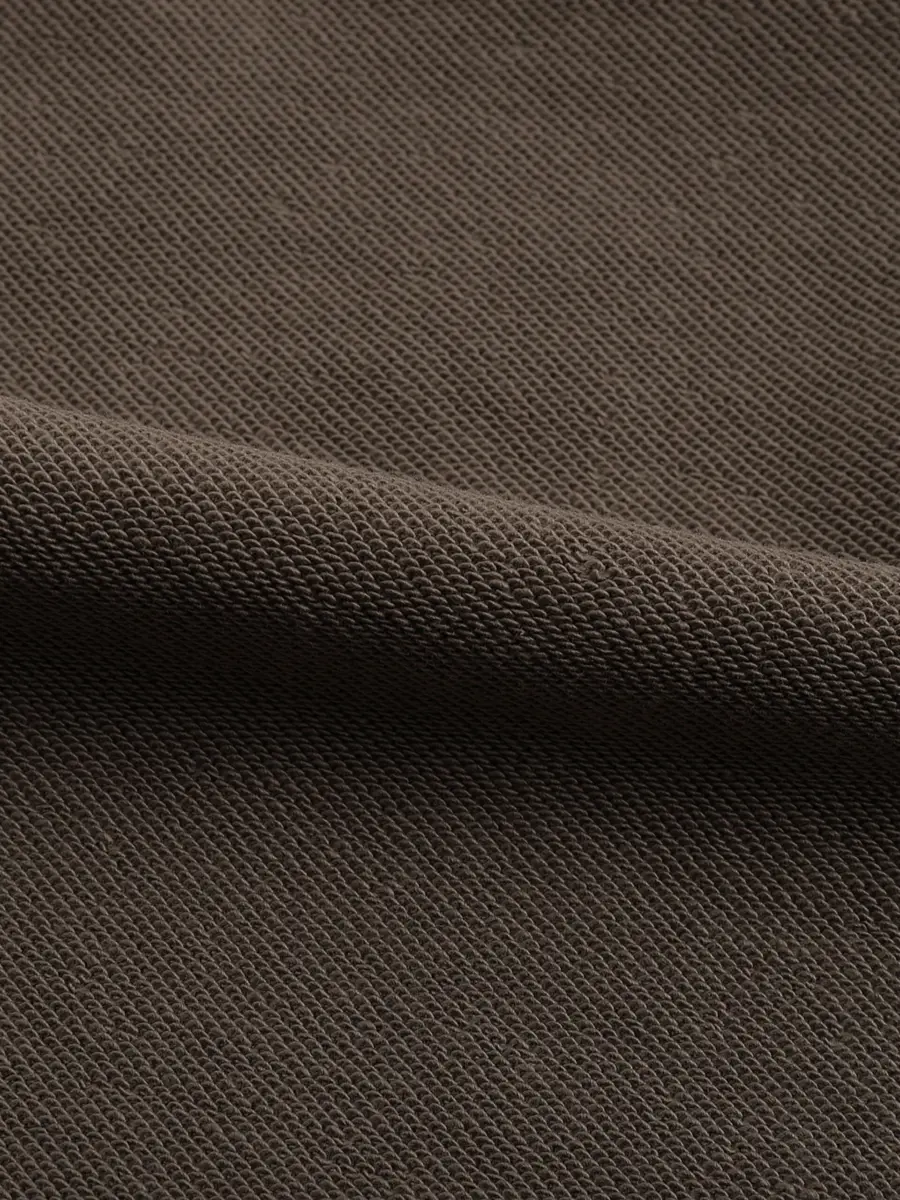
The reverse of cotton sweatpants fabric showing its loopback knit structure.
Approve the actual material
Review a swatch or sample for hand feel, opacity, stretch, surface and drape. Assess the inside finish and trim materials too. A product photograph or composition label cannot describe the complete experience.
Shell fabric is only one part of the garment. Review rib, elastic, drawcords and pocket bags alongside it. Cuff recovery, pocket thickness and waistband structure can affect comfort and appearance even when the main fabric remains unchanged.
Choose the fabric around the way they feel.
Composition, yarn, knit structure, weight and finishing shape the wearing experience. Review the face and reverse of the material, not only its colour or fibre percentage.
Prioritise structure, hand feel, stretch, printing surface and inside finish for your range. Identify essential requirements and acceptable alternatives, then assess shortlisted materials against the intended care method, customer experience and target budget.
Cotton and cotton blends
Cotton-rich fabrics can provide a casual base for sweatpants, while blends can change recovery, drape and surface behaviour. Confirm the composition for the exact style and colour; heather and solid options can have different specifications. Assess the actual garment and decoration requirements together.
Brushed fleece and loopback
Brushed fleece has a raised inner surface; loopback, often called French terry, retains visible loops on the reverse. They create different textures and handles. Include the inner construction in your brief and compare it with the intended season, silhouette and customer experience.
Special material requirements
If organic, recycled or another certified material is required, include the standard and supporting evidence in the brief. Confirm availability and claim eligibility for the actual product and supply chain.
Choose the weight. Then judge the sample.
GSM means grams per square metre of fabric. It describes material weight rather than the total weight or quality of the finished sweatpants.
Weight and silhouette work together
The selected range spans 285 GSM contrast-piping fabric, 320 GSM cotton barrel-leg sweatpants and 340 GSM vintage-washed cotton. These are different materials and patterns, so compare drape, opacity, season and movement alongside the weight.
Judge the complete set
For hoodie-and-sweatpants ranges, review both garments together. Compare shade, surface, fabric structure, shrinkage requirements and finish. Matching numbers alone do not establish a consistent collection.
Substantial fleece and washed styles
Featured fleece options include 345 GSM joggers and 350–375 GSM washed styles. Use the exact style’s composition and inner finish with its GSM. Brushing, knit density, washing and the pattern can make two fabrics of similar weight feel different.
Keep comparisons consistent
Confirm the units and whether a stated weight describes the fabric or garment. If ounces are supplied, clarify whether they mean ounces per square yard. Use physical references and agreed measurement information when comparing options.
Make the leg shape intentional.
Relaxed, oversized, straight, tapered and barrel describe proportions. A clear garment measurement chart turns those words into a fit you can approve.
Define rise, length and leg shape
Review front and back rise with waist position, inseam and total outseam. The same inseam can look different when the rise and crotch position change. State where each measurement begins and whether it is taken before or after the required finishing process.
Define the distribution of volume down the leg. Tapered joggers narrow differently from straight or wide-leg sweatpants; a barrel shape needs its own pattern balance. Review front, back and side views, with the intended shoe and hem position where relevant.
Agree grading, movement and comfort
Agree relaxed and stretched waist measurements, the base size, grading rules and tolerances. Body measurements and flat garment measurements serve different purposes. Review a size set where needed so the rise, pocket positions, leg proportions and cuff behaviour remain appropriate across sizes.
Assess sitting, walking and the intended use on a person or suitable form. Review seat ease, waistband pressure, pocket access and hem behaviour. A model photograph is a styling reference, not a substitute for the garment measurement chart.
Resolve the details your customer will notice.
Waistband comfort, useful pockets and a consistent hem finish are part of the product experience. Specify them alongside the main silhouette.
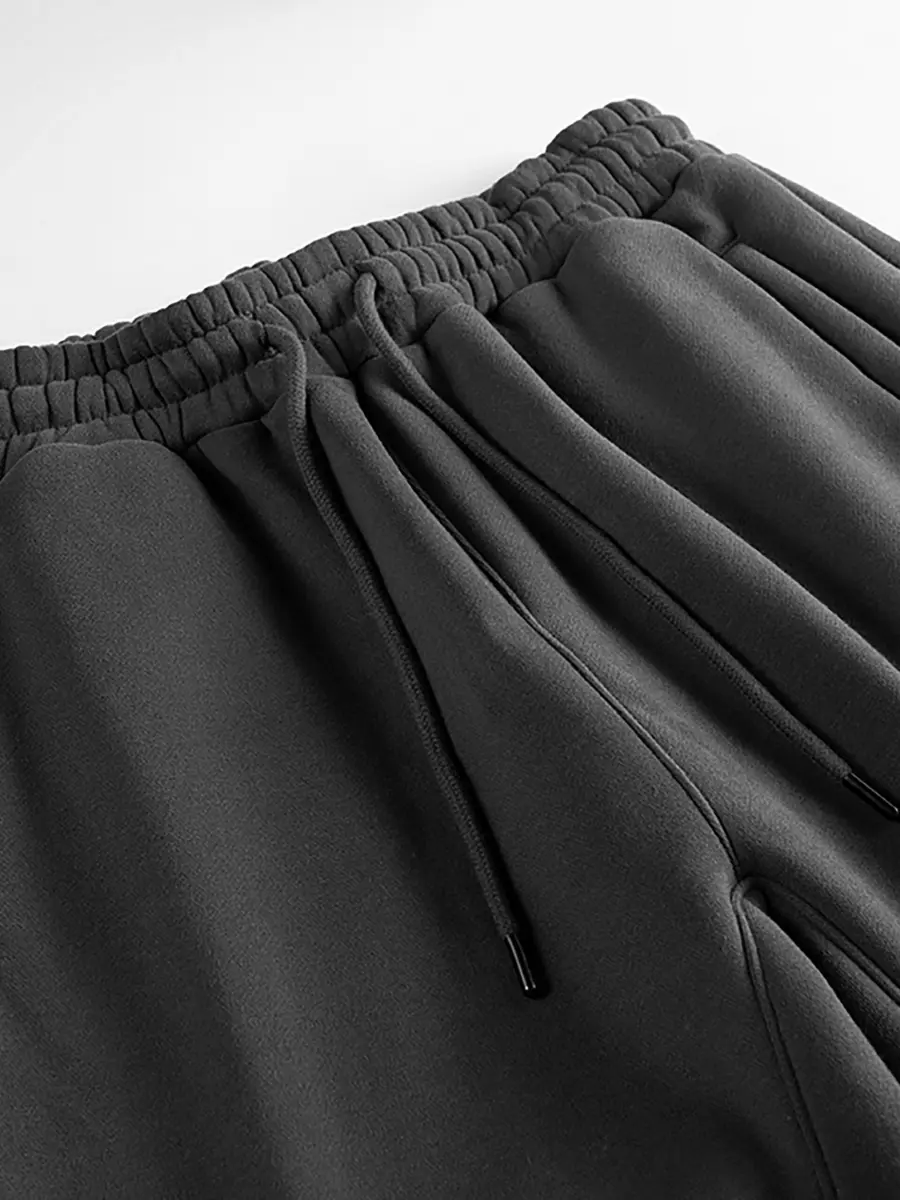
Waistband and drawcord construction on the heavyweight fleece joggers.
Waistband, elastic and drawcord
Define waistband width, elastic recovery, drawcord length and its internal or external route. Agree eyelets, cord tips and attachment details on the sample. Check the relaxed and stretched waist and assess how the waistband sits during wear.
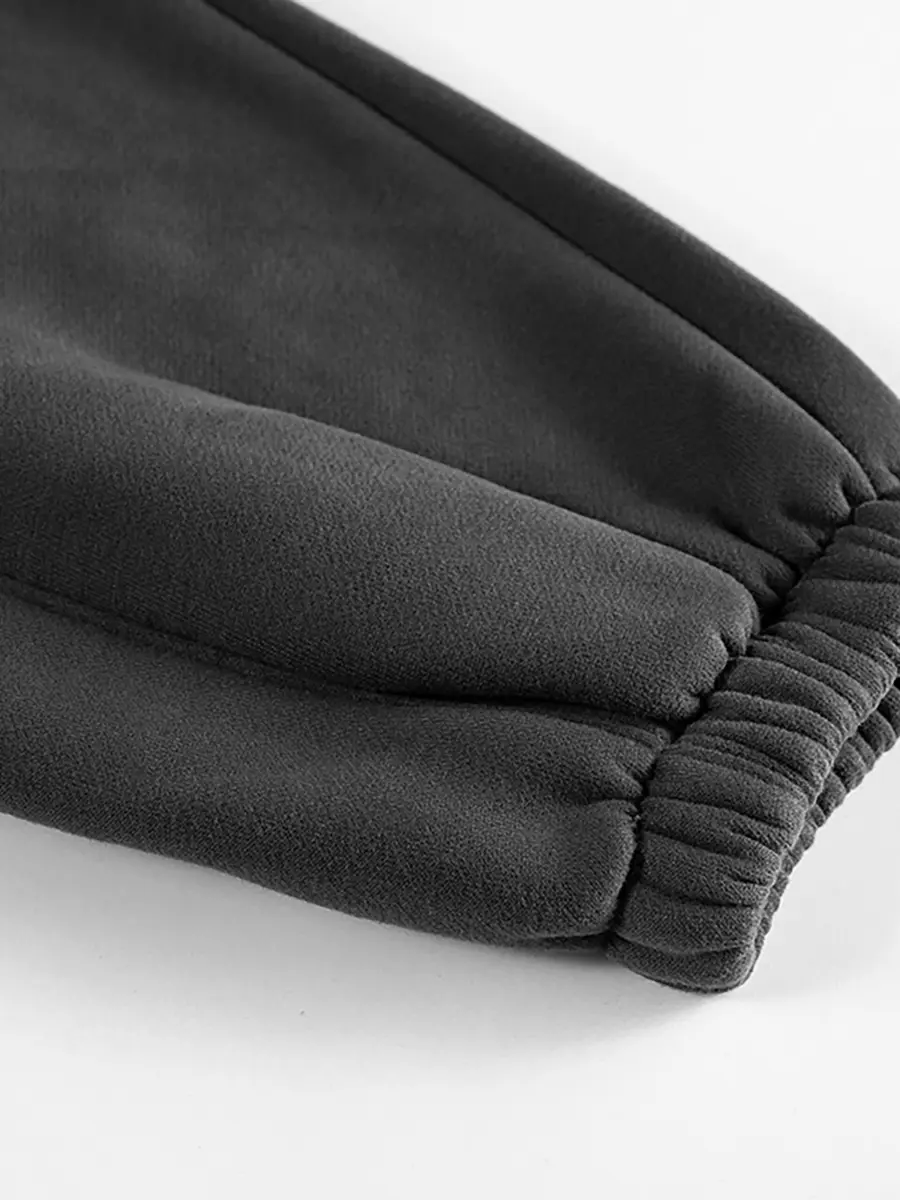
Gathered elastic cuff and leg finishing on the heavyweight fleece joggers.
Cuffed joggers and open hems
For cuffs, specify finished height, opening, material and recovery. For straight or wide-leg styles, agree hem depth, stitch appearance and final length. Check the result after required finishing and care, including the intended amount of stacking or clearance above the shoe.
Pockets, seams and reinforcement. Specify pocket openings, depth, bag material and any closure. Review how the pocket lies against the leg and reinforce stress points where required. Agree seam type and finish around the fabric, especially at the crotch, inseam and waistband.
Construction and branding should be reviewed together. Large transfers, dense embroidery or heavy labels can change the feel of a panel. Include close-up references and explain which details matter in each.
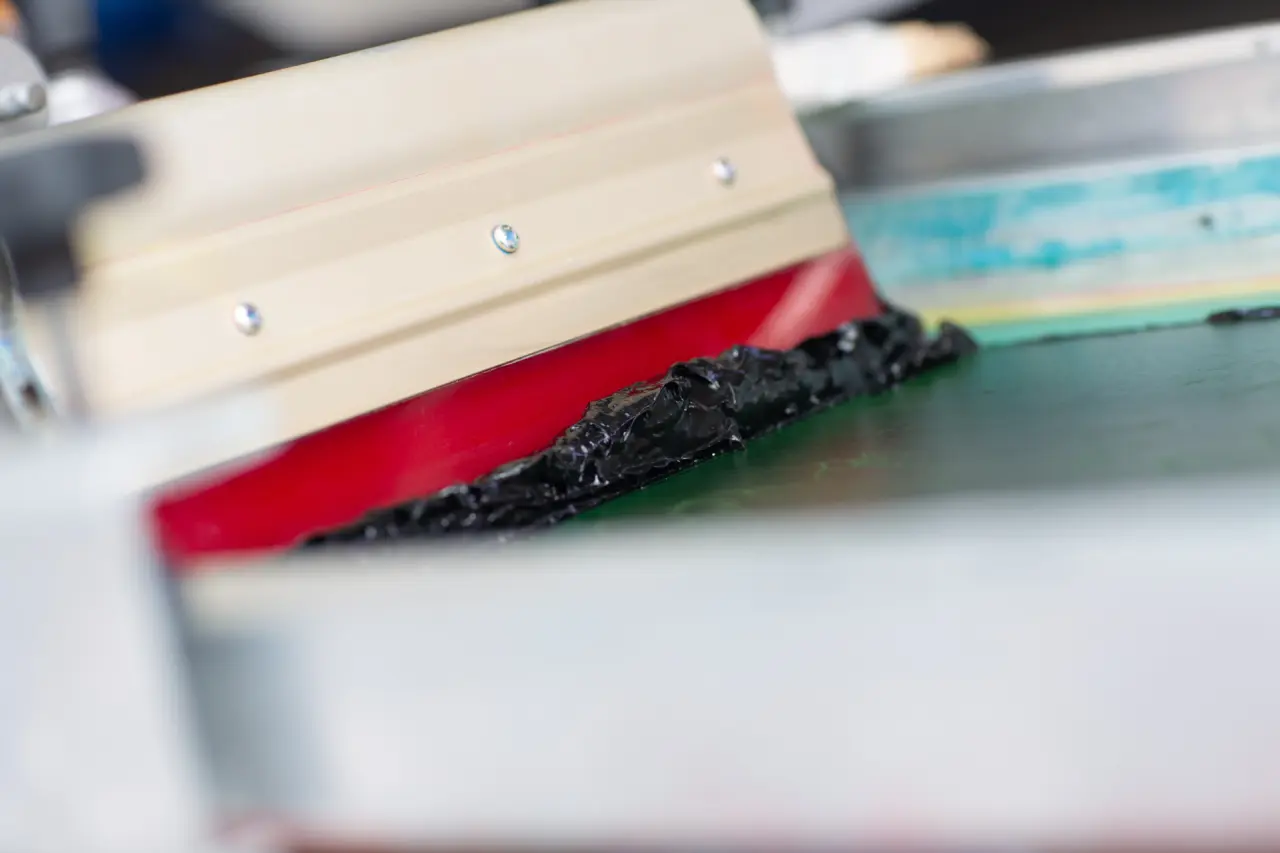
A squeegee moving black ink across a textile screen. Licensed printing process illustration.
Prepare artwork for the actual leg
A long vertical print can look different as the fabric folds or the knee bends. Provide width, height and reference points. Use available Studio views as placement guides on enabled products; the approved garment sample confirms the final result.
For a leg design, state whether artwork keeps the same dimensions across sizes or changes with the grade. Identify the wearer’s left or right leg and the reference seam. Mirror placement only when intended. A marked placement sheet helps prevent a correct graphic being applied to the wrong panel.
Sweatpants printing, planned around the garment.
Screen printing
Review artwork colours, coverage, quantity and ink system alongside the selected fabric. A leg graphic needs sufficient access and clearance from pockets, seams and cuffs. Establish the required hand feel and appearance on a representative sample.
Direct-to-garment printing
DTG can suit detailed, multicolour artwork on compatible cotton-rich surfaces. Fabric preparation, garment colour, surface and curing influence the result. Confirm suitability for the exact style and finish rather than assuming every cotton blend behaves the same way.
Direct-to-film transfers
DTF uses a heat-applied transfer on compatible materials. Review stretch, coverage, application requirements and surface feel. Check heat sensitivity or dye migration where relevant, particularly with washed garments or blended fabrics.
Special effects and placement
Puff, raised, discharge and other effects require their own feasibility review. Provide physical artwork dimensions and the distance from seams, pocket openings and hems. Confirm the method and decorated sample before bulk approval.
Embroidered sweatpants, with considered detail.
A small thigh logo, pocket detail, patch or appliqué can create a distinct brand finish. Match the artwork, thread and placement to the actual fabric and construction.
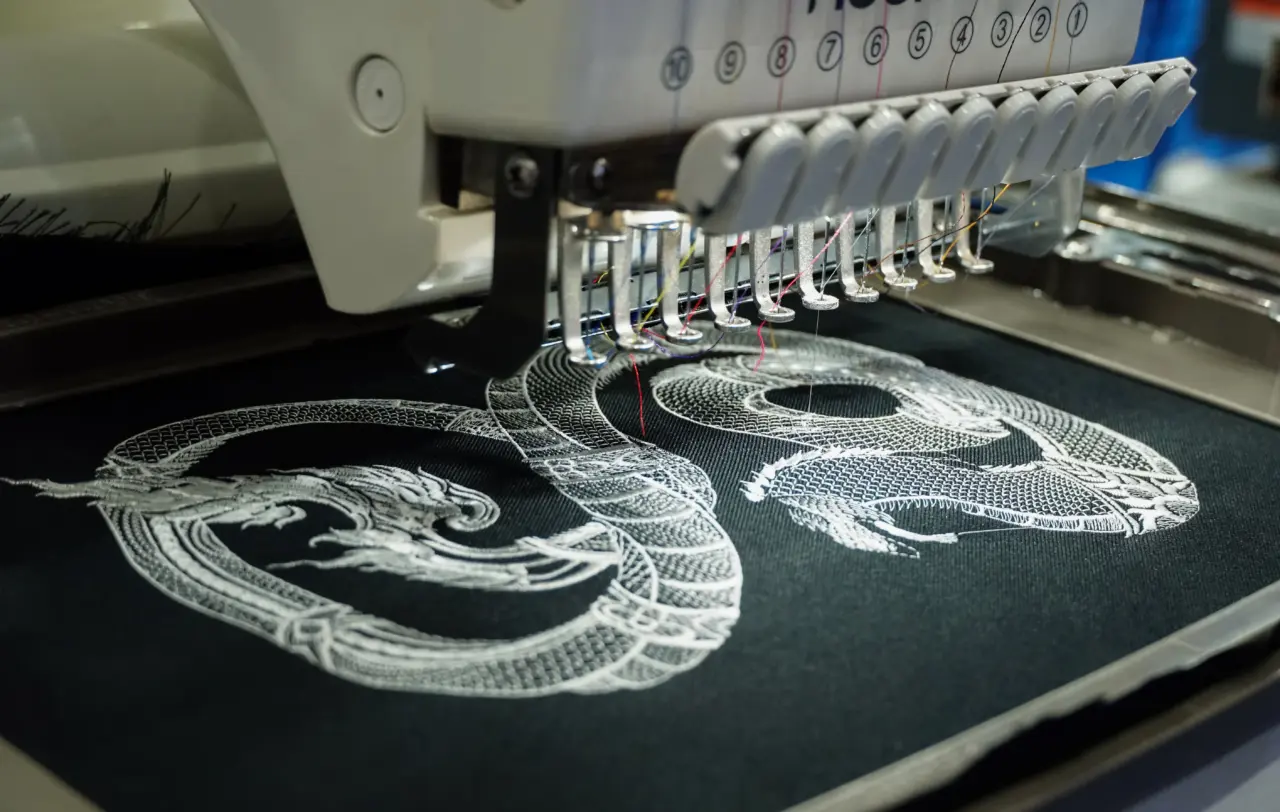
An embroidery machine stitching a white design into flat dark fabric. Licensed process illustration.
Scale, stitch coverage and backing
Small lettering may need simplification; dense coverage can alter drape or encourage puckering. Review the backing, reverse-side comfort and clearance from pocket bags, seams and elastic areas. Approve stitch detail on the selected garment surface.
Patches, appliqué and raised effects
Embroidered patches, chenille, appliqué and raised effects need their own attachment and construction allowance. Supply finished dimensions, edge requirements and placement. Review flexibility, comfort and appearance on the sample.
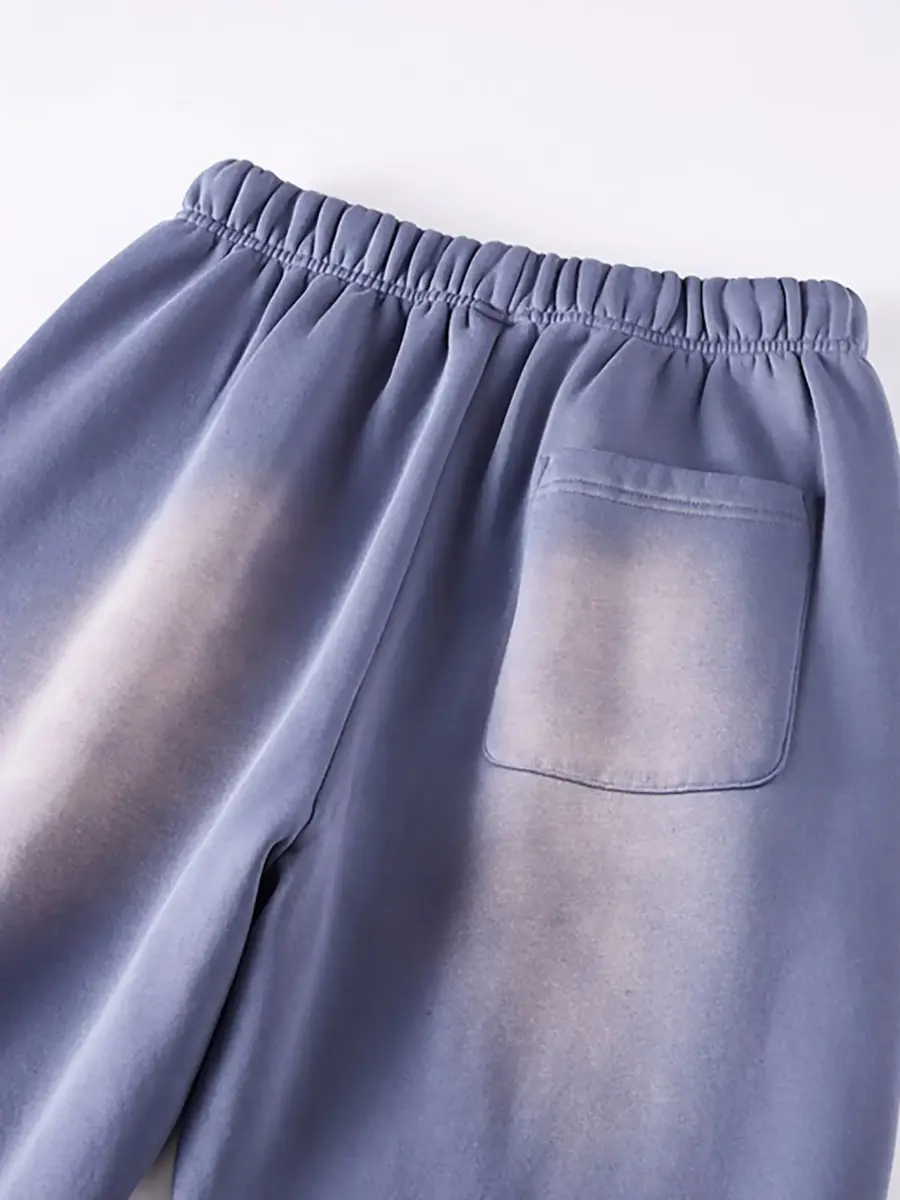
Rear waistband and patch pocket on the 375 GSM sunfade fleece sweatpants.
Use a physical colour reference
Supply a swatch, agreed colour standard or approved garment where possible. Photographs communicate direction, but displays and lighting change apparent shade. Mark the wash details that should remain visible.
Colour and wash give the sweatpants their character.
A clean solid, faded surface and intentionally distressed finish create different results. Establish the required shade, texture and hand feel with a useful reference.
Approve the finish and variation
Confirm the material, colour reference and finishing route together. Washed or handcrafted effects can vary intentionally between pieces. Agree the acceptable range and review garment measurements after the required treatment.
For coordinated tops and bottoms, review both pieces against the agreed shade and finish. Account for material, construction and finishing differences. Keep the approved references with the order and identify what should carry through to repeat production.
Plan the finishing sequence
Washing interacts with elastic, rib, drawcords, labels and decoration. Agree the sequence and any trials before production. Assess shade, surface, recovery and dimensional stability against the approved reference.
Private label sweatpants, ready for your collection.
Labels and product information
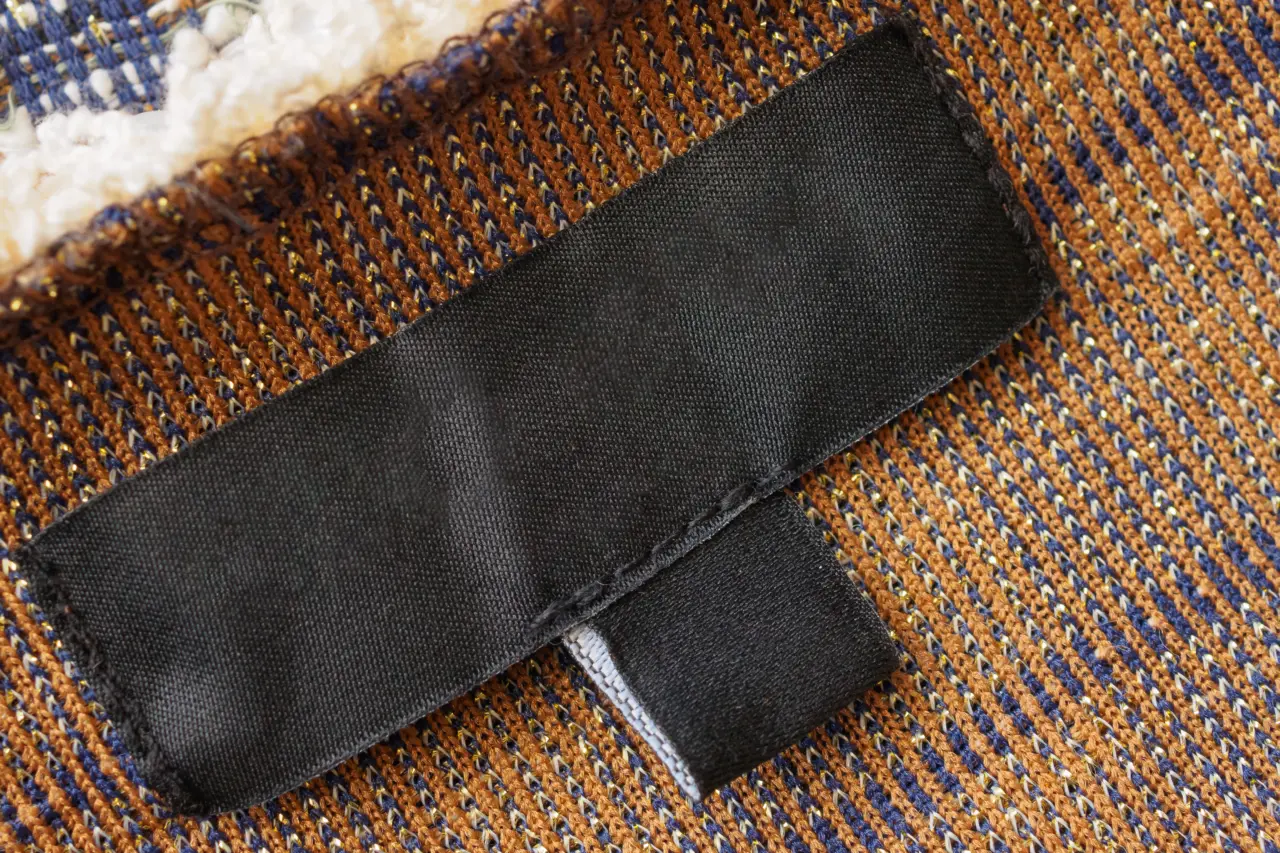
A blank fabric label attached to brown textile. Licensed label-construction illustration.
Bring brand, size, composition and care information into the garment specification. Provide artwork, dimensions, material, fold and attachment positions. Review legibility, seam allowance and comfort against the wearer. Identify the information needed for your sales market before approval.
For USA and European collections, identify destination-specific product information and artwork requirements before the labels are approved.
Match the label to the garment
Woven and printed fabric labels create different finishes. Review the waistband or seam location, label fold and hang-tag attachment on the sample. A decorative brand label does not replace required product information; certification and material claims need suitable evidence.
Packing for retail and fulfilment
Coordinate individual packing, barcode labels, size stickers and carton marks with the order breakdown. A direct-to-customer launch can need a different presentation from wholesale or warehouse delivery.
Specify the presentation and pack-out
Keep folding, packaging dimensions, size and SKU identification, approved inserts and carton quantities with the production files. The product, label and carton information should identify the same style and order. Confirm the packing reference before production.
- Fold direction and units per pack
- Size, SKU and barcode artwork with placement
- Hang tags, brand cards and approved inserts
- Carton size and colour breakdown
- Destination and warehouse identification
Prepare one approved packing matrix that connects each style, colour and size with its SKU, barcode and carton allocation. Check the readable label text as well as the barcode scan result before release. This helps your receiving or fulfilment team identify variants without relying on garment colour or handwritten carton notes.
From sweatpants reference to approved sample.
Share what is ready and identify the decisions that still need development. A sample plan should make each approval clear.
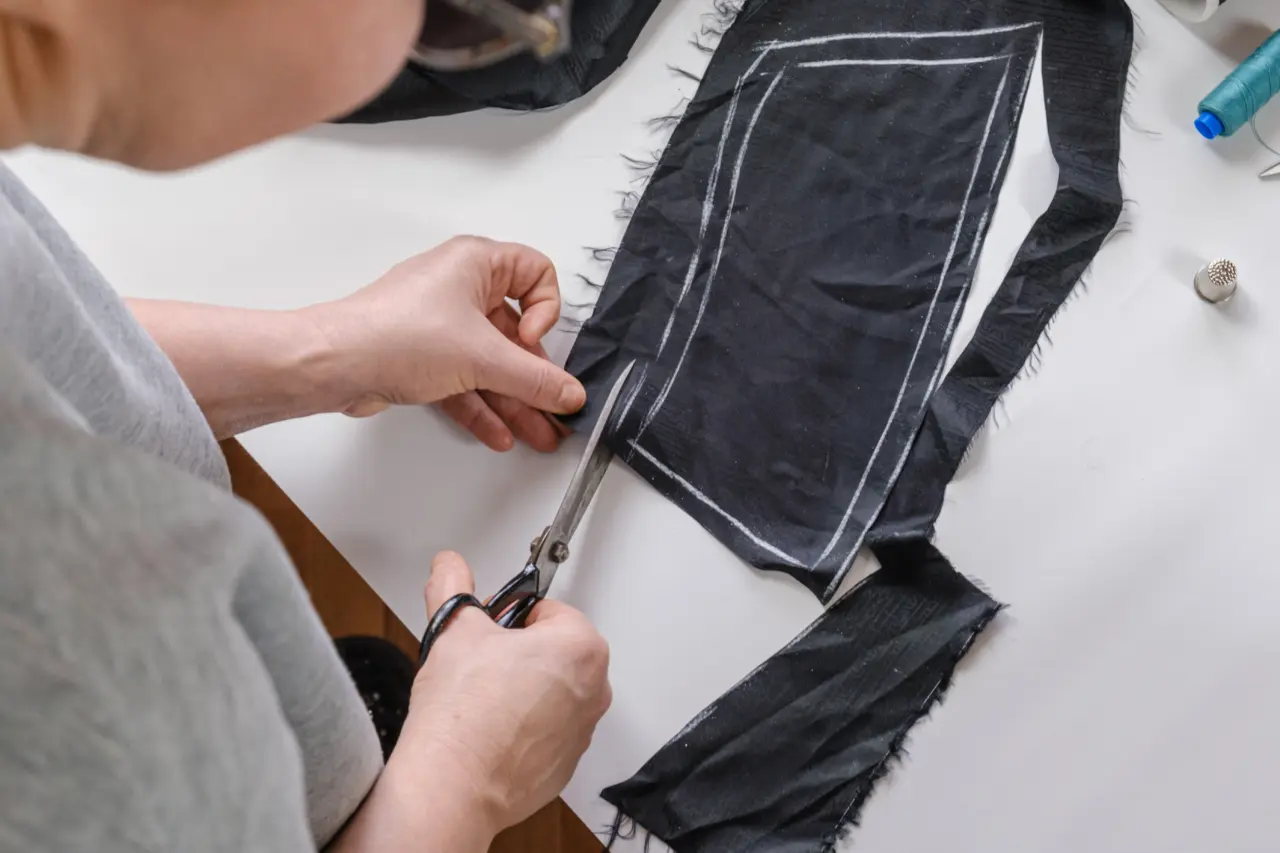
Fabric cut along marked pattern lines. Licensed product-development process illustration.
Review the sweatpants against the brief
Compare the sample with its technical specification. Keep one consolidated revision list, with measurements and annotated photographs.
- Relaxed and stretched waist
- Front/back rise, inseam and outseam
- Hip, thigh, knee and leg opening
- Pocket function and seam appearance
- Cuff or open-hem finish
- Fabric, wash and post-finish dimensions
- Decoration, labels and packing
Technical packs, patterns and grading
Connect technical drawings, points of measure, size charts, materials, trims, pockets, seams, cuffs and artwork positions. Include a reference garment or annotated close-ups where helpful. Agree the pattern and grading work needed for an original silhouette.
Give each technical pack and sample revision a clear date or version number. Separate approved details from open decisions, and identify the reference that supersedes an earlier one. When fit, artwork or trims change, record the affected files so the production team works from one consistent approval package.
Sample stages and recorded approval
A prototype, fit sample, decoration approval, size set and pre-production sample answer different questions. Agree the stages your project needs. Review fit, movement, surface, finishing and branding, then consolidate revisions with measurements and marked photographs.
Confirm which approved sample and technical documents govern the order. Keep the fabric and colour references, artwork dimensions, size breakdown and packing instructions together. Define required tests or third-party inspection before bulk release.
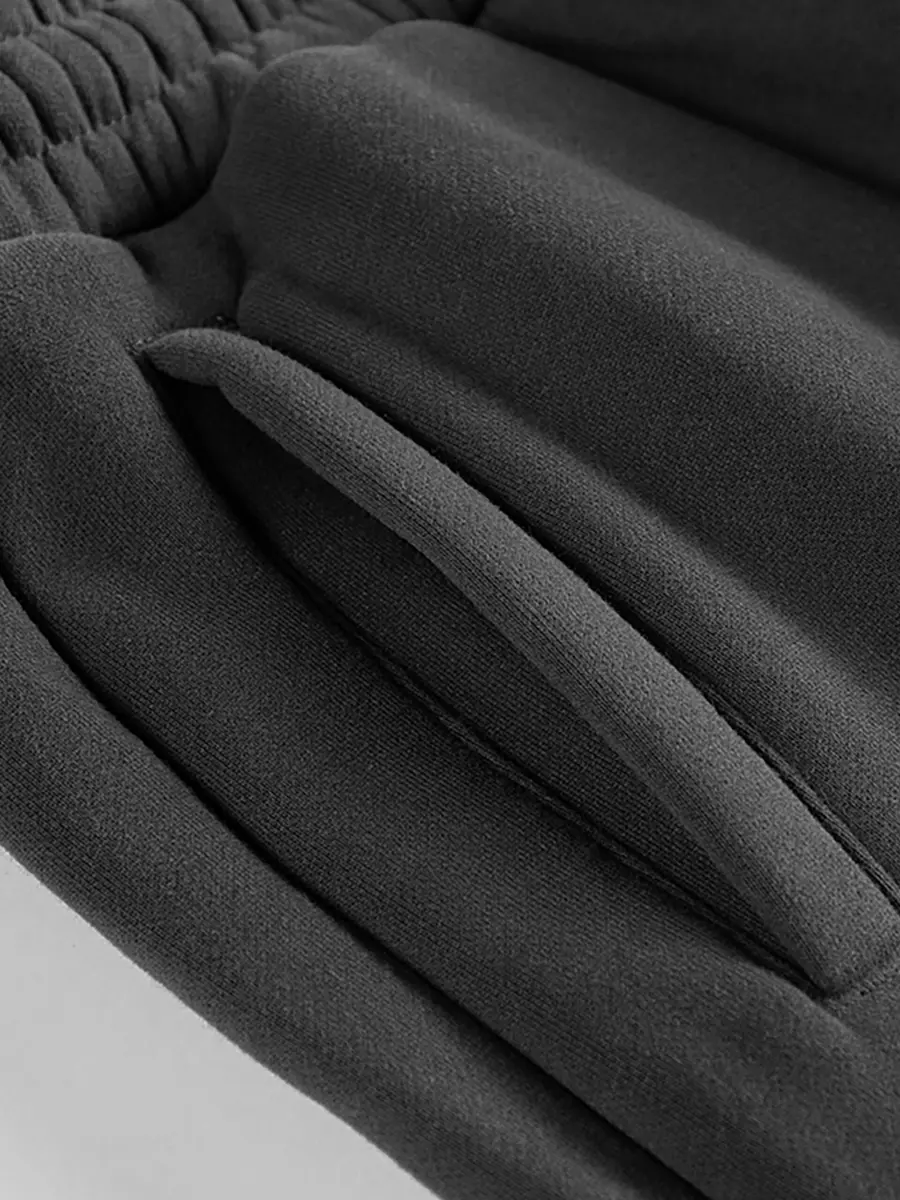
Side-pocket opening and stitching detail on the heavyweight fleece joggers.
An inspection plan needs a reference
Agree the approved sample, technical files and acceptance criteria before production. AQL is an acceptance sampling approach; it does not state that every unit has been inspected. Confirm any required third-party inspection in advance.
Define quality in terms you can inspect.
Measurements and workmanship
Check waist, rise, length and leg widths using the agreed methods and tolerances. Review seams, loose threads, pocket attachment, waistband assembly and hem or cuff finish. Record intentional raw-edge styling or wash variation so the acceptance standard is clear.
Comfort, decoration and packing
Assess elastic and cuff recovery, pocket access and reverse-side comfort alongside the visible finish. Check artwork position, decoration dimensions and label information. Match sizes, quantities and carton identification with the order breakdown.
Testing and evidence
If wash stability, colourfastness, pilling, recovery or decoration durability is required, define the test method, conditions and acceptance criteria. Request evidence for the actual product scope where needed.
Understand what shapes MOQ and price.
An available style, original pattern, custom fabric and special colour can have different minimums and setup requirements.
Break the order down clearly
Share quantities by style, colour and size. A total figure does not describe the setup required for every version. Samples and bulk production are confirmed separately; check the selected product or request the applicable project minimum.
Compare the complete quotation
Fabric consumption, development, construction, trims, decoration, labels, packing and inspection affect cost. Delivery and import charges need their own confirmation. Compare the same specification and total scope. If you have a target budget, share it with the brief so practical choices can be reviewed.
One clear reference at every production stage.
Keep the brief, sample decisions and order breakdown connected from the first enquiry through dispatch.
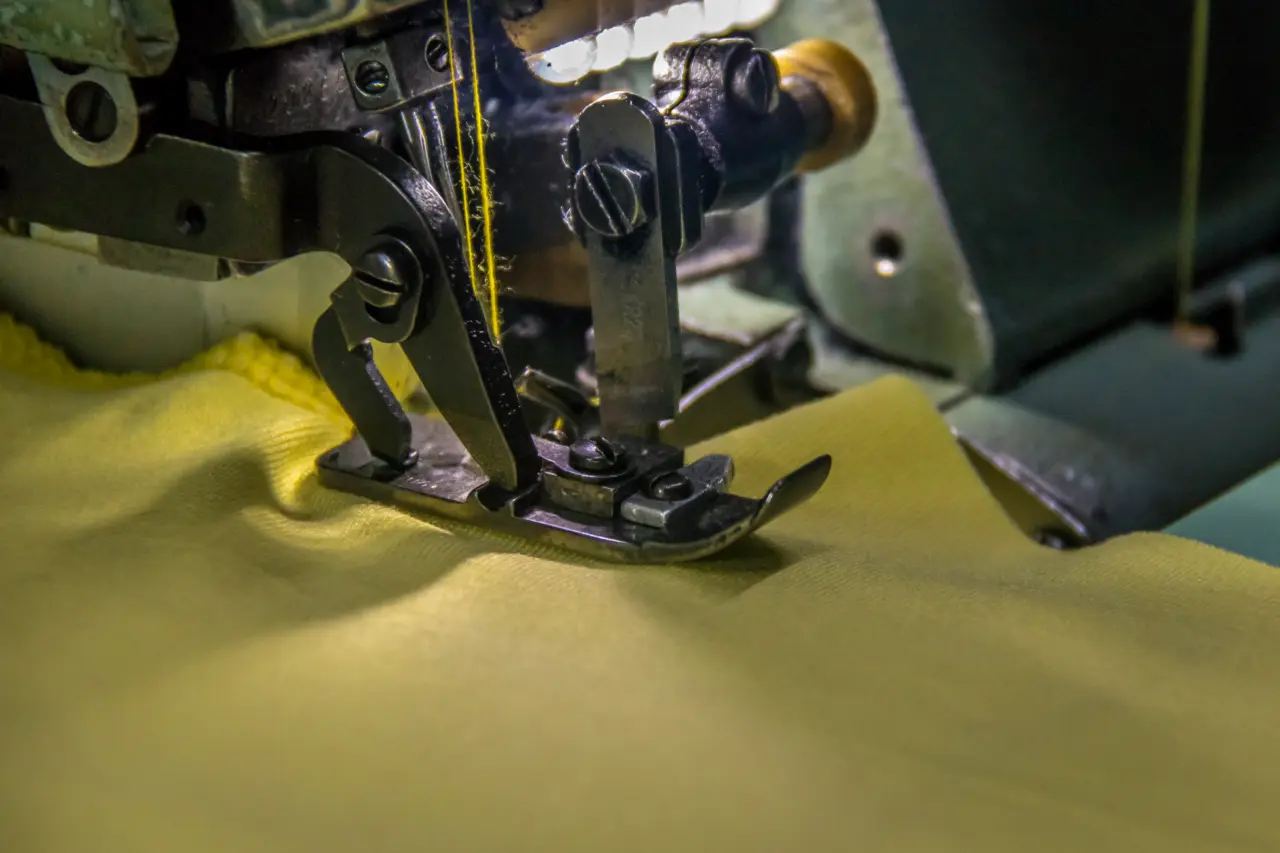
Overlock equipment joining yellow fabric at the seam. Licensed construction process illustration.
Fabric handling, cutting, sewing, decoration and finishing work around the approved specification. Explore cut, sew and trim or review our full manufacturing services for your sweatpants collection.
Share the brief and confirm the route
Send fit references, fabric, construction, artwork, quantities, destination and target date. Agree whether the project begins with an existing garment or original development, then confirm the quotation and sample work.
Review and approve
Check the fit, material, colour and decoration references. Record revisions and approve the final specification before those decisions are repeated across bulk production.
Release production
Confirm the size and colour breakdown and approval reference. Account for material availability, setup, sample sign-off and required testing or inspection in the schedule.
Pack and dispatch
Check packing instructions, shipment details and the selected service. Keep manufacturing time separate from transit time and retain the order and shipment references for follow-up.
Plan sweatpants manufacturing around where you sell.
We work with clothing brands serving the USA, Europe and other international markets, with worldwide shipping options confirmed for each order.
Production and shipping are separate
Share the destination country, postcode, shipment size and required arrival date early. Transit begins after dispatch; available services depend on the shipment and destination. Customs processing and carrier conditions can affect arrival.
See our shipping information and confirm the chosen service with your order.
Fast-track projects and launch dates
Request an expedited schedule before ordering. We review materials, sample approvals, capacity and the shipping route. Accepted fast-track production, dispatch commitments and any guaranteed delivery service must be expressly confirmed for the specific project.
Delivered cost and import charges
Agree shipping terms, documents and customs responsibilities before dispatch. Duties and taxes are included only when the available service and quotation expressly confirm this. Other routes can leave import charges payable by the recipient.
Payment options and production release
Use the payment methods available for your order, including card and eligible digital-wallet options at checkout. Availability depends on location, device and order conditions. Separately quoted manufacturing work follows its stated payment and production-release terms.
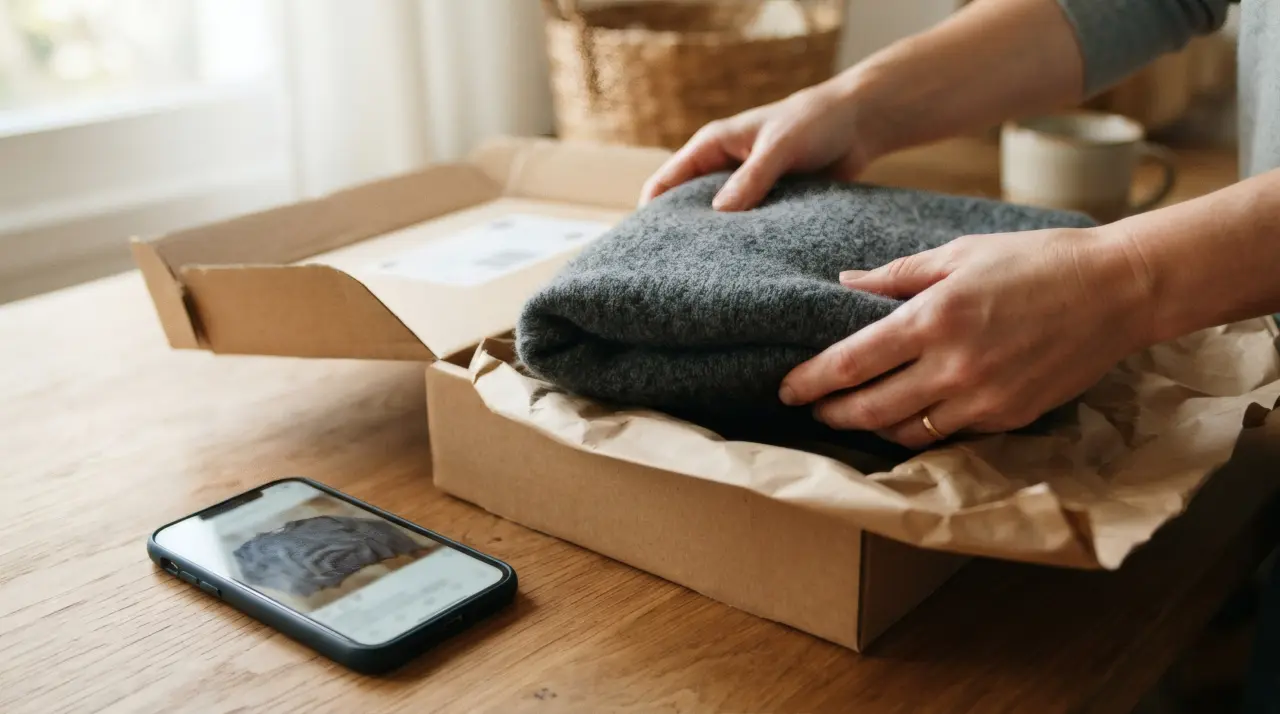
Folded knit clothing placed into protective carton packing. Licensed dispatch process illustration.
Prepare the shipment for your fulfilment team
Bring the product and shipping brief together before dispatch. Clear carton identification helps your team receive and identify the finished range.
- Confirm the destination and delivery instructions.
- Match carton quantities to style, colour and size.
- Agree protective packing and carton marks.
- Check the selected shipping terms and required documents.
- Retain dispatch and tracking references.
For a dated launch, plan material sourcing, sample approvals, production and transit as separate parts of the confirmed schedule.
Custom sweatpants questions, answered.
Can I customise an existing sweatpants style or create an original design?
Both starting points can be discussed. A catalogue style gives you a defined base for fabric, fit and branding. An original design needs a development brief covering measurements, materials and construction. Share your reference and proposed changes so the appropriate route and sample work can be confirmed.
What is the difference between cuffed joggers and straight-leg sweatpants?
Cuffed joggers use a gathered or ribbed leg finish, while straight-leg sweatpants have a different opening and hem treatment. The complete fit still depends on rise, thigh, knee and length. Use garment measurements and a sample to define the proportions rather than relying on the style name alone.
Can I choose the rise, inseam and leg shape?
Include front and back rise, inseam, outseam, waist, hip, thigh, knee and leg-opening measurements in the brief. Describe the intended fit and hem position. For original development, review the pattern, grading and tolerances through sampling and assess the size range where needed.
Which fabric and GSM should I choose for sweatpants?
Compare composition, construction, inside finish, GSM and drape with the intended season and customer. Brushed fleece and loopback create different textures. GSM describes fabric mass, not quality on its own. Review the actual material and garment sample before approving the specification.
Can the waistband, pockets, drawcord and cuffs be customised?
Describe waistband width, elastic behaviour, drawcord route, pocket openings and depth, closures, cuff material or open-hem treatment. Review construction and material compatibility together. The sample should confirm fit, access, comfort and how those details behave during wear.
Can I add printing and embroidery to sweatpants?
Share artwork dimensions, colours and placement. Fabric surface, composition, seams, pocket bags and stretch influence the suitable method. Consider coverage and hand feel for prints, and stitch density and backing for embroidery. Approve the relevant decorated sample before bulk production.
Can you develop matching hoodie and sweatpants sets?
Share references for both pieces and identify the required fit, fabric, colour and finishing. Compare them together during approval. Matching colour names or GSM values alone do not guarantee an identical result; material, construction and finishing differences need review.
Can you add my brand labels and packaging?
Include brand, size and care-label information, artwork, dimensions, attachment positions and packing instructions. Specify folding, barcode labels and carton identification where required. Supply destination-market requirements early so the final label and pack-out can be reviewed.
What is the minimum order quantity for custom sweatpants?
The applicable minimum depends on the product route, fabric, colours, construction and branding requirements. Catalogue customisation and original fabric or fit development can have different constraints. Share quantities by style, colour and size to receive a confirmed minimum and quotation.
Should I approve a sample before sweatpants production?
A sample provides a reference for fit, materials, construction, decoration and finishing. Check measurements, waistband and cuff behaviour, pocket function and appearance. Record revisions and confirm which sample and technical files govern production. Define required tests or inspection before bulk approval.
What affects price, lead time and expedited production?
Fabric, consumption, quantities, colour count, size range, construction, trims, decoration and packaging affect the quote. Timing also depends on availability, development and approvals. Provide the required arrival date early. Any accepted expedited schedule or guaranteed service must be confirmed for the specific project.
Do you deliver custom sweatpants to the USA, Europe and other countries?
Share the destination country, postcode, order breakdown and required arrival date so an appropriate route can be reviewed. Confirm delivery arrangements, customs responsibilities, duties and taxes in the quotation and applicable terms. Available payment methods and production-release requirements are confirmed for the order.
Let’s define your next pair of sweatpants.
Develop a focused first collection or extend an established range. Share the customer, silhouette and details that make the garment yours. We’ll review the manufacturing route and information needed for a clear quotation.
Your next step, clearly defined
Have an approved sample? Identify what should stay consistent and what should change. Starting with an idea? Send a sketch or reference and note the fit, fabric or branding decisions still open. We can review the development work and sample stages your sweatpants need.
For a team-led project, identify who approves fit, artwork and the final specification. Share one consolidated set of sample comments and flag any fixed launch date so the quote can account for the required approval stages.
Include in your sweatpants request
- Reference garment, sketch or technical pack
- Fabric composition, GSM and inside finish
- Rise, inseam, leg shape and size range
- Waistband, drawcord, pockets and cuffs
- Artwork dimensions and placement
- Quantities by style, colour and size
- Labels, packing and inspection requirements
- Destination and required arrival date
Need support across several stages? Explore our manufacturing services. Complete the range with custom hoodies, T-shirts and shorts.