


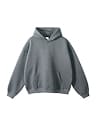
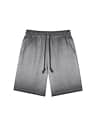
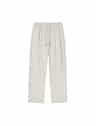
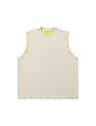
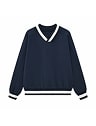


TURN YOUR PRODUCT INTO FINISHED GARMENTS
Cut, sew and trim manufacturing
Connect fabric preparation, cutting, sewing, trims and finishing in one garment-making plan. Bring the tech pack, patterns and sample you have, then define the materials, quantities and finished presentation needed for your production order.
Ready to make? Send your production files. Still developing? Start with a sample brief.

One connected production brief
Keep the approved construction, material references and quantity breakdown together through garment assembly.

Named material responsibilities
Confirm who provides fabric, thread, closures, labels and other components before the order is released.

An agreed garment handover
Specify the measurements, workmanship checks, finished presentation and packing required for the job.
Explore the service
Plan cutting, sewing, trims and finishing together
Bring the construction details and the result you need at handover. Share specialist seam, bonding or finishing requirements for a fabric and production review; the quote identifies the confirmed operations and material responsibilities.
Fabric preparation and lay planning
Connect the fabric condition with the current patterns before cutting starts. Direction, stretch, nap, print matching and usable width affect how the pieces can be laid out.
- Fabric inspection and relaxation requirements
- Grain, nap and directional layout
- Stripes, checks and placement matching
- Material identity and lay records
Markers, spreading and cutting
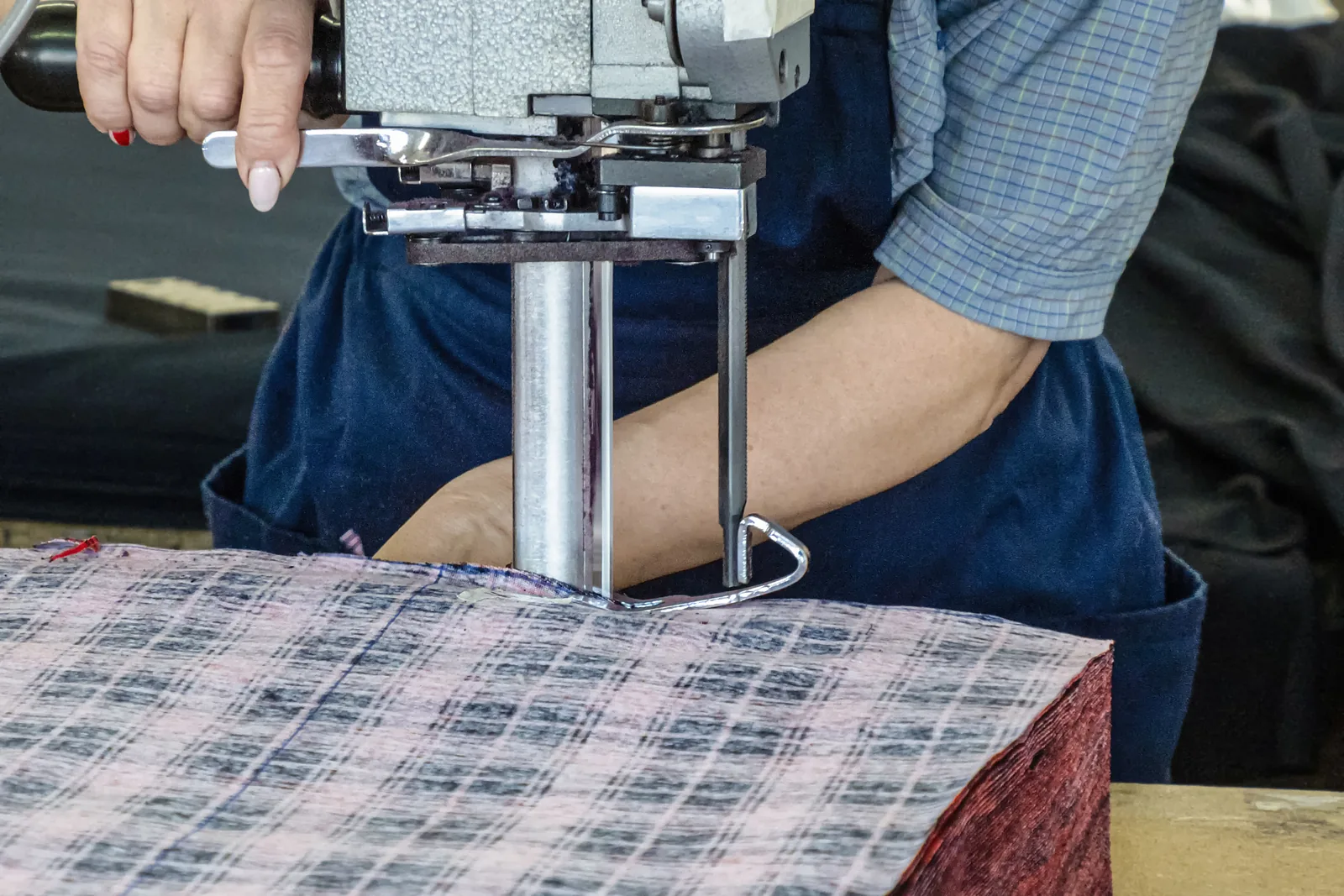
Prepare each component from the correct pattern revision and cutting plan. The production route depends on the textile, order and detail; manual and automated equipment are different means of producing the required pieces.
- Marker planning and material utilization
- Single-ply or multi-ply spreading
- Suitable manual or automated cutting routes
- Notches, component numbering and bundle identity
Seams, stitches and garment assembly
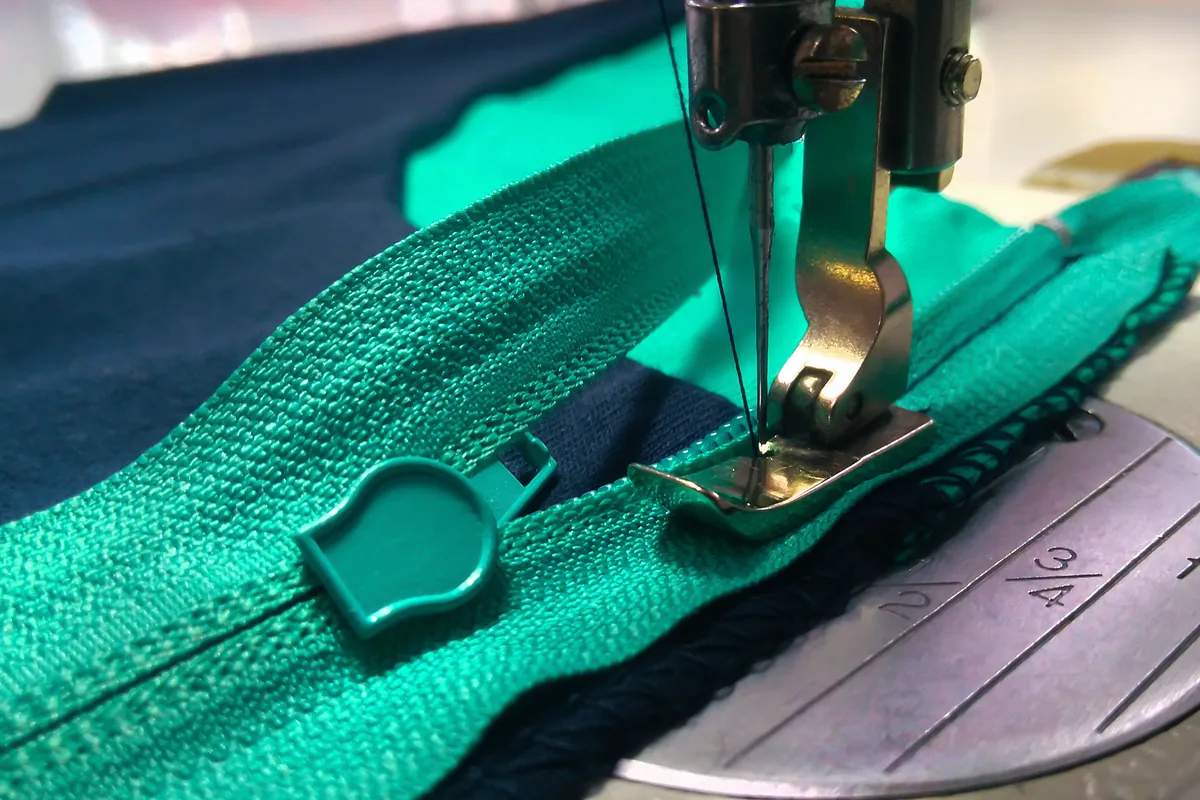
Match the stitch and seam to the fabric, construction and use of the garment. A stretch knit hem, woven seam and reinforced pocket do not need the same operation.
- Lockstitch and topstitching
- Overlock and safety seams
- Coverstitch, chainstitch and suitable flat seams
- Zigzag, bartacks and reinforcement
Garment parts and construction details
Bring the garment details together in the order they need to be assembled. Use the sample and specification to resolve changes to shape, bulk or component placement before those details are repeated.
- Bodies, sleeves, hoods, collars and cuffs
- Pockets, plackets, facings and waistbands
- Linings, interlinings and layered construction
- Binding, piping, elastic channels and seam details
Trims, closures and label attachment
Identify the material, dimensions, color and location of each component. Confirm who supplies it and how it should be attached, especially where the trim changes the assembly sequence.
- Zippers, buttons and buttonholes
- Snaps, eyelets and other specified hardware
- Elastic, drawcords, rib and tapes
- Brand, size and care-label attachment
Decoration and specialist construction
Coordinate decoration with assembly instead of treating it as an afterthought. Panel and finished-garment operations can follow different sequences. Include specialist bonding, taping or seam-sealing requests with the material and construction reference so their production feasibility can be reviewed before the work is confirmed.
- Print and embroidery placement coordination
- Panel decoration before assembly
- Washing or dyeing sequence requirements
- Bonded, taped or sealed-construction requests
Finishing and garment checks
Specify what a finished garment should look and measure like. Keep thread trimming and pressing connected to workmanship, measurement and presentation checks, with a clear record of any corrections.
- Thread trimming and cleanup
- Pressing, steaming and shape presentation
- Measurement and workmanship checks
- First-output and final garment review
Order reconciliation and packed handover
Reconcile the style, size and color quantities with the completed pieces and packing instructions. Also identify how unused supplied material and components should be returned or recorded.
- Size and color quantity breakdowns
- Folding, assortments and unit-packing instructions
- Packing lists and carton identification
- Remaining fabric, panels, trims and thread handling
How ready is the garment for production?
Identify the stage that needs attention before the production scope is finalized.
Bring the approved reference into one job.
Share the current tech pack, patterns, material references and accepted sample. Confirm quantities, checks and packing instructions against one consistent version of the garment.
- Approved construction and pattern revision
- Material and trim responsibility list
- Size/color quantities and handover requirements
Resolve the open product decisions first.
Describe any unresolved fit, pattern or construction work. Connect the sample decision with material selection so the approved garment represents the intended order.
- Current sample and change comments
- Outstanding pattern or fit decisions
- Required development and approval stage
Make the handover traceable.
List supplied fabric, components and files with quantities and references. Flag shortages or handling concerns, separating supplied items from materials and preparation that need arranging.
- Fabric rolls, lots and usable quantity
- Trim specifications and component counts
- Handling, surplus and return instructions
Need cutting only or sewing only? For cutting, share approved cutting data and fabric. For sewing, share approved cut panels and construction instructions. Identify whether spreading, trims, thread, finishing and checks are included, and how remnants are handled. The quote confirms the operations for your order.
Prepare the complete production brief
Bring the construction, materials and order breakdown together before the garment-making stages are scheduled.
Approved product reference
Send the tech pack, measurements, pattern revision and sample reference. State garment type, fit and construction points needing particular attention.

Fabric and trim plan
Identify fabric, ribs, linings, thread, closures and labels. Say which items you supply and which you need arranged in the quote.

Order breakdown
List styles, sizes, colors and quantities. State the sample approval requirement and the sequence linking printing, embroidery or washing with assembly.
Checks and presentation
Specify measurements, workmanship, finish, folding, labels, packing ratios and remaining-material instructions. Add the destination and target handover date.
Pattern development, fabric procurement, decoration, washing and packaging are named in the quote when required. Their inclusion is agreed for the project; it is not established by the service title alone.
From production brief to finished garment handover
Keep the garment reference consistent through cutting, sewing, trim attachment and finishing. Resolve open product decisions through product development and sampling, then coordinate private label and packaging with the size breakdown, supplied materials and finished handover.
Good questions
Cut, sew and trim questions
Clear answers before the work begins.
Does the production quote include fabric and trims?
The quote names the supplier of each material and component. You may provide specified items or request sourcing. Confirm references, quantities and approvals before treating procurement as included.
What does trim work cover?
Name the components and their attachment: closures, elastic, drawcords, rib pieces and labels. Specify thread trimming and finished presentation separately so the intended work is clear.
Can printing, embroidery or washing be combined with production?
Include artwork, placement and the intended effect. Some operations occur on panels, others on assembled garments. Agree sequence, material compatibility and sample approvals before the production release.
What sets the minimum, cost and production schedule?
Style, material supply, size/color split, setup and finishing affect the basis. Share quantity and target date; confirm the project minimum, inclusions and schedule against readiness and approvals.
Your project, clearly defined
Bring your production order together
Send the tech pack, patterns or garment sample you have, plus size and color quantities. Identify supplied fabric, panels and trims, and include decoration, finishing and packing needs so the production quote can cover the full garment handover.
Send what you have and mark what still needs development. The quote will identify the next steps for your product.