


FIND THE FABRIC THAT FITS YOUR PRODUCT
Fabric Sourcing and Development
Choose fabric for the way the garment should look, feel and perform. Compare stock and custom options by composition, construction, weight, color and stretch, then review a swatch or trial before committing the material to the product.
Know the fabric? Send a swatch. Still exploring? Tell us how the garment should look and feel.

Compare the right variables
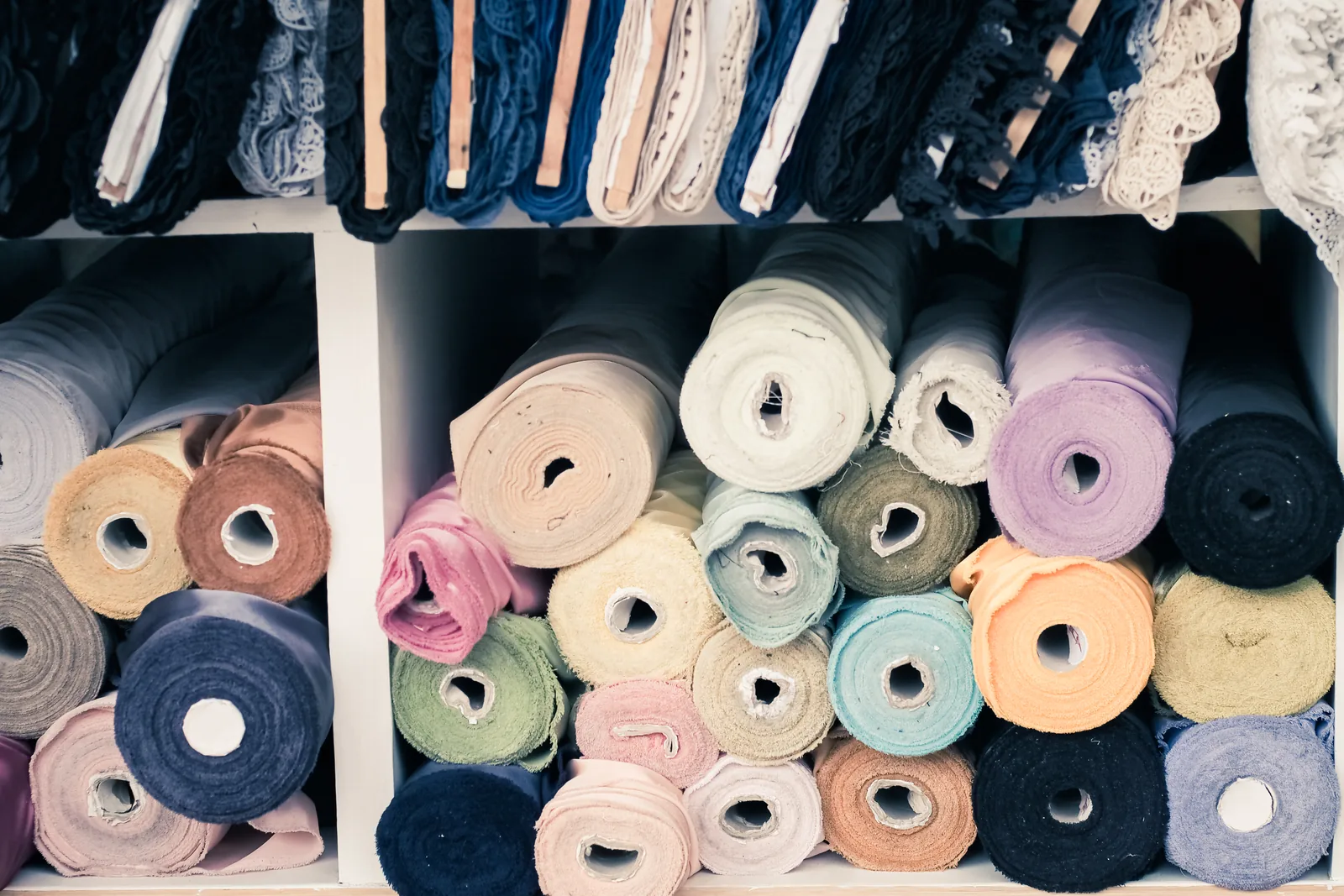
Compare fiber composition, fabric construction, usable width and GSM (grams per square meter), together with drape, stretch and handle.
Approve a tangible reference
Connect the chosen swatch and color reference with the material specification used for the job.

Plan for the finished garment
Consider shrinkage, stretch, trims, decoration and washing before confirming the material route.
Explore the service
Compare fabric families and construction options
Start with how the cloth should look, feel and behave. Share your preferred construction, composition and finish for material and supply review; the confirmed fabric route and trial are identified in your quote and sample plan.
Stock sourcing and custom fabric development
Choose between an existing material and a fabric developed around your product. A swatch or reference garment helps compare the options; a custom route also needs a clear specification and a material trial.
- Stock and repeat-stock sourcing
- Custom knitting or weaving requirements
- Yarn, construction and finish development
- Matching linings, ribs and coordinated components
Fibers and blends
Fiber composition influences handle, dyeing, care and wear. Name the generic fibers and blend percentages you need; organic, recycled or branded-fiber descriptions also need supporting material documentation.
- Cotton and cotton blends
- Polyester, polyamide/nylon and stretch blends
- Viscose/rayon, modal and lyocell
- Linen, wool and other specified natural-fiber blends
Jersey, rib, interlock and pique
Start with the knit structure as well as the fabric weight. These constructions behave differently in stretch, stability and surface texture, so the same GSM does not make them interchangeable.
- Single jersey and stretch jersey
- Rib structures and matching rib trims
- Interlock and other double knits
- Pique and polo-shirt constructions
French terry, fleece and textured knits
Specify the face and reverse of the fabric, not just the word fleece. Loopback, brushed and sheared surfaces create different looks and feel, while the underlying construction still affects fit and sewing.
- Loopback French terry
- Brushed fleece and sweatshirt fabrics
- Ponte and double-knit textures
- Knitted jacquards, stripes and flat-knit trims
Woven fabrics, denim and pile textures
Select a construction suited to the garment shape and finish. Plain, twill and satin are basic weave families; dobby, jacquard and pile structures add further pattern or texture choices.
- Poplin, broadcloth, chambray and canvas
- Twill, denim, chino and herringbone
- Satin and sateen constructions
- Dobby, jacquard, corduroy and velvet-type pile fabrics
Mesh, warp knits and technical fabric requests
Open, stretch and layered fabrics need a more specific brief than a general sportswear label. Define the garment use, stretch recovery and construction, then evaluate the actual swatch and any required performance evidence.
- Tricot and Raschel warp knits
- Mesh, lace and open structures
- Stretch activewear and lining constructions
- Coated, laminated or bonded fabric requests
Weight, width, stretch and handle
Compare the material in the condition in which the garment will be made and worn. Weight alone does not describe opacity, drape, recovery or the amount of fabric available for cutting.
- GSM and usable width
- Drape, opacity, softness and surface texture
- Stretch direction and recovery
- Shrinkage, skew and dimensional requirements
Color, patterns and matching components
Keep the selected fabric and its color standard together. Yarn-dyed stripes, piece-dyed solids, printed designs and garment-dyed effects start at different stages and may need different matching references.
- Solid-color and lab-dip requirements
- Yarn-dyed stripes and checks
- Printed or patterned fabric references
- Coordinated rib, lining and trim colors
Material trials and production readiness
Use the checks that matter for the product rather than assuming a finish or fiber name guarantees performance. Record the swatch, specification and any test requirements before the material moves into the sample or order.
- Composition and construction requirements, with verification specified for the order
- Colorfastness, pilling and relevant care checks
- Wash or decoration compatibility trials
- Lot, shade, quantity and supply references
How defined is your material brief?
Choose a starting point so the sourcing discussion addresses the gap you need to close.
Compare available fabric against the product.
Describe the garment, quantity and material priorities. Separate essential requirements from preferences, then confirm the selected color, lot and availability before committing to an option.
- Garment use and material priorities
- Composition, weight and width targets
- Required quantity and color breakdown
Use the physical reference to define the target.
Send a swatch with notes on what to retain. Compare touch, stretch, weight and color against a specific reference before approving the selected material.
- Reference swatch and known fabric code
- Required hand, stretch and appearance
- Acceptable differences to review
Set the development targets before the trial.
Define construction, composition, finish and garment use. Agree what the trial must demonstrate, the color reference and the checks needed before fabric release.
- Material targets and intended end use
- Trial, swatch and color approvals
- Quantity and testing requirements
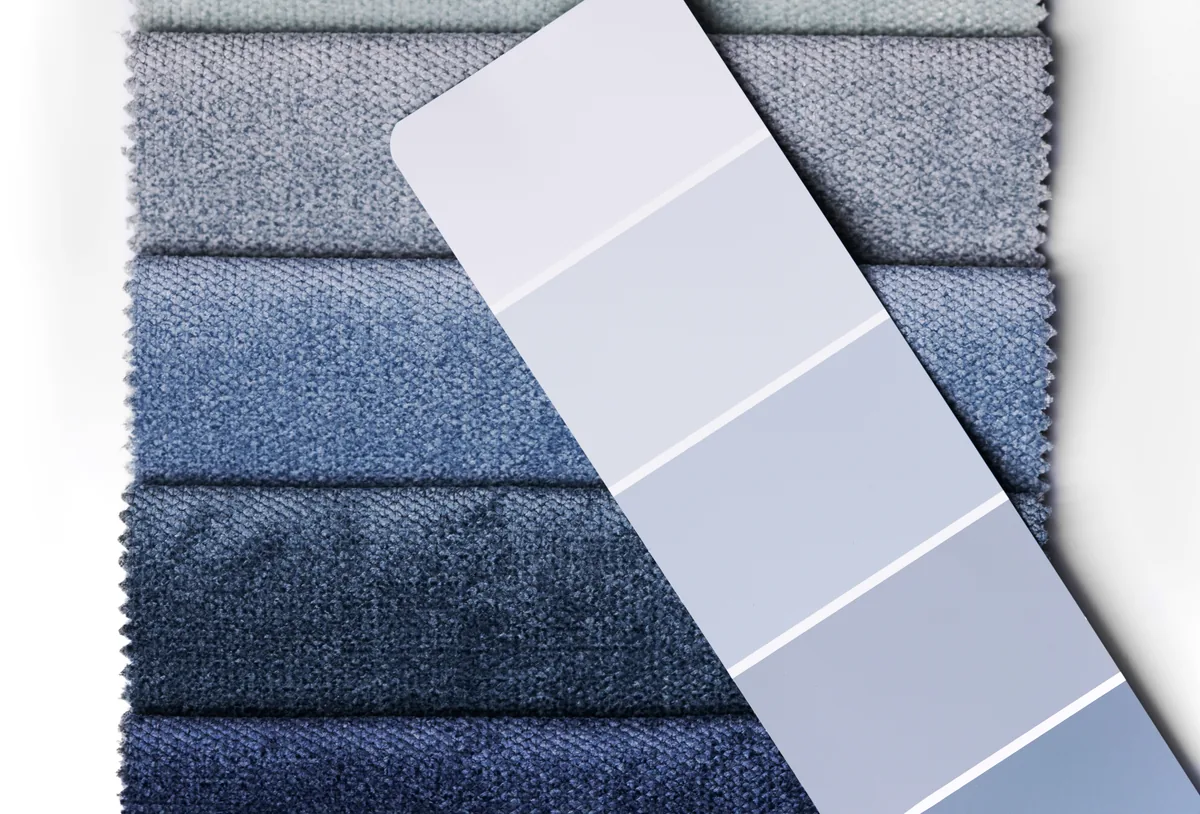
Describe the material in usable terms
You do not need every answer at the start; mark the unknowns so they can be reviewed.
Product and construction
Name the garment and its intended use. Specify knit or woven construction where known, and share a swatch or an example of the desired surface.
Composition and dimensions
Provide the fiber blend, GSM and usable-width targets if available. Add the required hand, drape, stretch or recovery rather than relying on weight alone.

Color and components
Share the color reference and list any matching rib, lining or trim needs. Distinguish stock shades from a custom-color development request.
Quantity and checks
State the quantity by material and color, target production date and planned wash or decoration. Identify the material checks and approval records you need.
Sourcing, development trials, testing, transport and reservation terms belong in the project quote. Confirm what is arranged by Customwears and what you will supply.
From fabric requirements to a usable material reference
Compare fabrics against the garment they need to become, keeping composition, weight, color and feel connected. Link material selection with product development and sampling, and review dyeing and washing where the chosen fabric needs a developed color or finish.
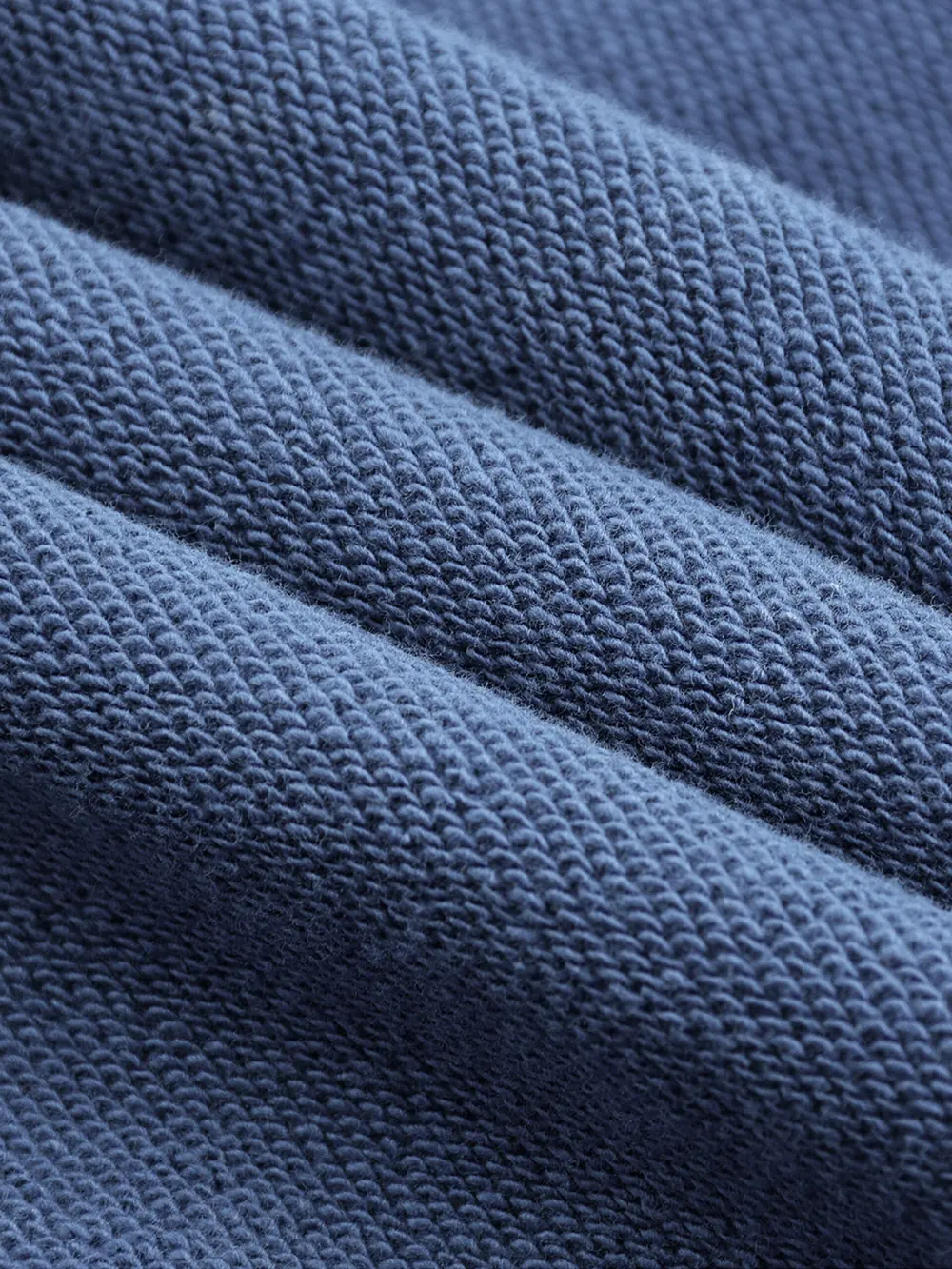
Catalogue fabric reference — looped interior of the 400 GSM Snow-Washed Frayed Cotton Hoodie. View garment
Good questions
Fabric sourcing questions
Clear answers before the work begins.
Can you match a fabric from a garment or photograph?
A photograph starts the discussion but cannot fully describe hand, composition, weight or stretch. Send a physical swatch and known specification, then approve the selected material and acceptable differences.
Is GSM enough to choose the fabric?
GSM describes mass per area. Add construction, composition, width, surface, drape and stretch. Similar-weight fabrics can need different patterns, seams, finishes or care decisions.
What sets the fabric minimum and lead time?
Stock availability, construction, color, finish, supplier lot and testing all matter. Share garment quantity and color mix; confirm the supply basis and schedule for the selected material.
Should washing and decoration be considered before fabric approval?
Yes. Explain the finished look before selecting fabric. Washing, printing, embroidery and heat application can affect material choice. Agree which sample or compatibility checks precede bulk approval.
Your project, clearly defined
Tell us what the fabric needs to do
Share a swatch, specification or garment reference, the quantity and color requirements, and the qualities that matter most. Include any intended wash, print or finish so the material can be reviewed as part of the whole product.
Send what you have and mark what still needs development. The quote will identify the next steps for your product.