

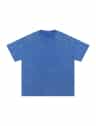
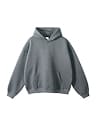
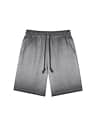
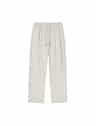

FROM DESIGN IDEA TO A WORKING GARMENT
Clothing development and sampling
Develop your clothing concept from a sketch, reference garment or tech pack (technical specification). Review patterns, fit, size grading and garment samples, then record the approved details for production.
New design? Bring a reference. Existing style? Send the current tech pack and revision notes.
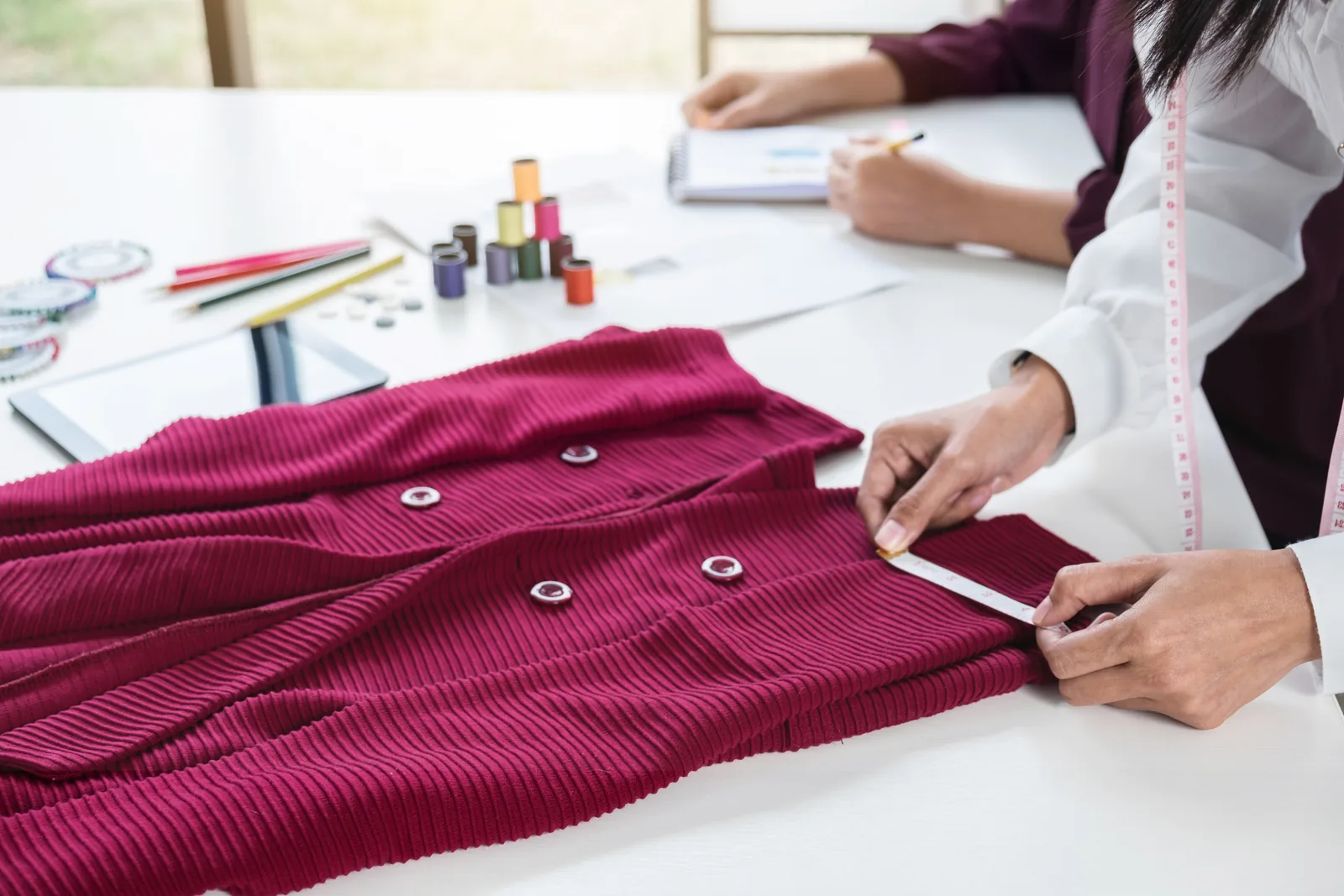
Make the design specific
Connect the silhouette, measurements, materials and construction in one current product brief.
Review the fit in context
Use the required sample stage to assess the garment before committing to the next step.

Keep the approval clear
Record accepted revisions and the files or physical references required at handover.
Explore the service
Choose the development work your garment needs
Choose the pattern, fit and sampling work your product needs. Share your starting files and preferred sample types; the quote and sample plan identify the work and outputs that can be confirmed for your product.
Design brief and technical packs
Turn the design into instructions a sample maker and production team can follow. Start with the garment purpose and visual reference, then resolve the technical details that affect fit, materials and construction.
- Design review and reference interpretation
- Technical flats, construction callouts and stitch details
- Points of measure and measurement charts
- Bill of materials, trims and component references
Patterns and fit development
Develop the base shape around the intended fit, fabric and wearer. Keep pattern corrections connected to the sample comments so the next version addresses the actual fit issue.
- Base patterns and blocks
- Paper-pattern review or digitization
- Pattern alterations and fit corrections
- Digital pattern formats and file-readiness review
Sizing, grading and size sets
Establish the base fit before extending it across the range. Grading changes measurements and proportions by size; it is not the same as enlarging a sketch.
- Base size and size chart
- Grade rules and size increments
- Petite, regular or extended-range requirements
- Size-set samples and proportion review
Mock-ups, prototypes and fit samples
Choose an early sample for the question it needs to answer: construction, silhouette or fit. A provisional fabric can help explore shape, but differences from the final material need to remain visible. Include digital or 3D visualization requests in the brief for format and feasibility review.
- Toile or muslin mock-ups
- Prototype and development samples
- Fit samples and revised fit samples
- Digital or 3D sample requests for feasibility review
Sales, photoshoot and wear-test samples
Presentation and evaluation samples have different jobs. Identify whether the sample is for selling the collection, photographing the product or evaluating its use, then specify the material and finish needed for that purpose.
- Salesman samples and collection samples
- Press, photoshoot and e-commerce samples
- Wear-test or garment-performance samples
- Material, color and decoration trial references
Pre-production and production-control samples
Use the final materials and construction to establish the production reference. Later samples can check whether the run and packed presentation match it; not every order needs every checkpoint.
- Pre-production samples
- Sealed or production-reference samples
- Top-of-production samples and pilot reviews
- Shipment or packed-product samples
Revisions and production handover
Keep comments, patterns and specifications tied to the same version. Identify the files and physical samples that will move into production, including anything the brand must still confirm.
- Consolidated sample comments
- Measurement and construction revision records
- Final tech pack, graded patterns and sample references
- Editable file formats, access and handover requirements
What are you starting with?
Choose the reference closest to your current stage, then describe what still needs to be resolved.
Make the first brief concrete.
Show the intended garment, fit and use. Add the details you already know and separate them from decisions you want to explore.
- Front, back and detail references
- Target fit, fabric and size range
- Questions for the first prototype
Check the specification before sampling.
Send the current revision with measurements, materials and construction notes. Flag incomplete fields and explain what the sample must prove, and list any unapproved instructions.
- Current technical pack and revision
- Open fit or construction comments
- Required sample and acceptance reference
Describe what to keep and what to change.
A reference garment is most useful with written change notes. Identify its size and condition, the desired measurements and which details should guide development. Material substitution can change the final fit and feel.
- Reference size and condition
- Keep, change and remove notes
- Material and measurement differences
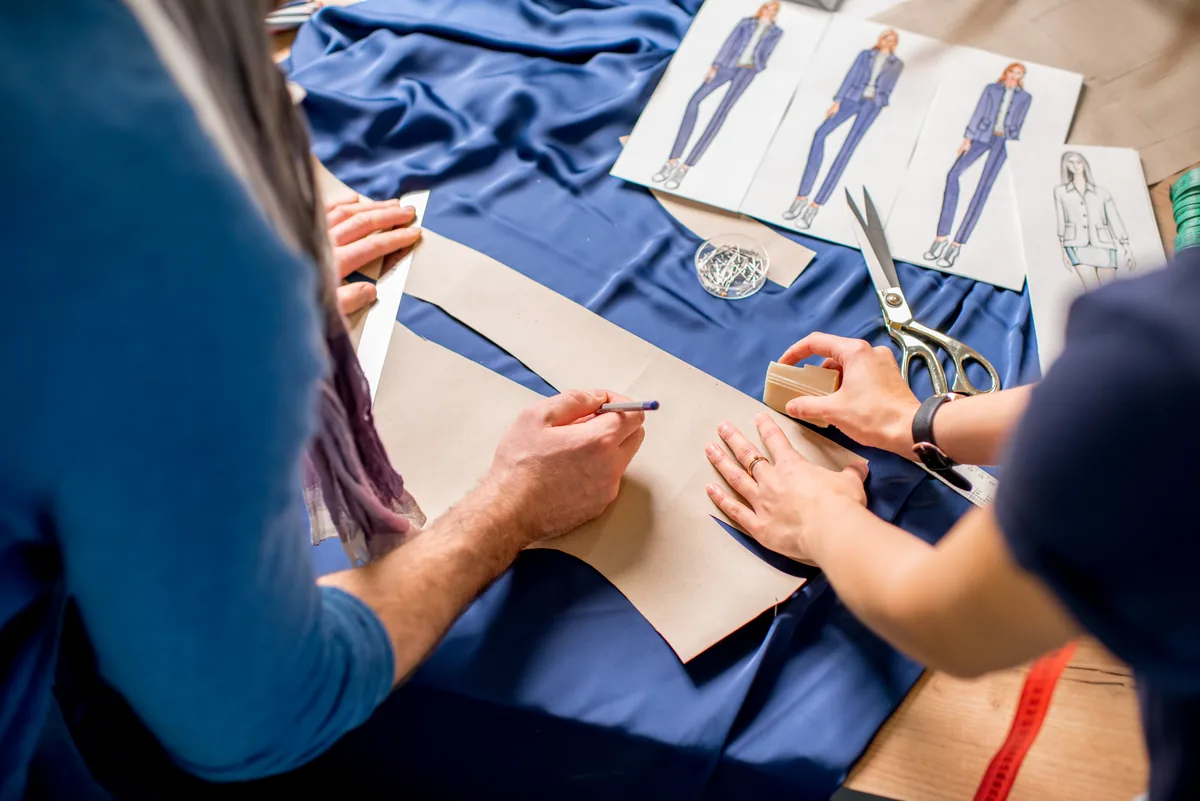
Put the development decisions in the brief
A clear starting pack makes the first discussion more useful, even when some choices remain open.
Design and reference
Share sketches or photographs with the garment type, intended wearer and the features that matter most. Mark preferred details and unwanted elements.
Fit and size plan
State the target fit, base size, measurement units and intended size range. Include a measurement chart or a physical fit reference when available.

Material direction
Describe the fabric, hand, weight, stretch and trims you have in mind. Flag any wash, print or embroidery that could affect construction or fit.
Outputs and reviews
List the sample stages, file outputs and target production decision. Identify the person who will combine comments and approve each revision.
If digital or 3D review is requested, include it in the brief so support, input files and deliverables can be assessed. Physical fit and material approval remain separate decisions.
From product brief to an approved garment sample
Turn your design direction into a usable sampling brief, keeping fit, construction and measurements together. Resolve material choices through fabric sourcing and development, then carry the accepted product reference into cut, sew and trim production when the garment is ready for manufacture.
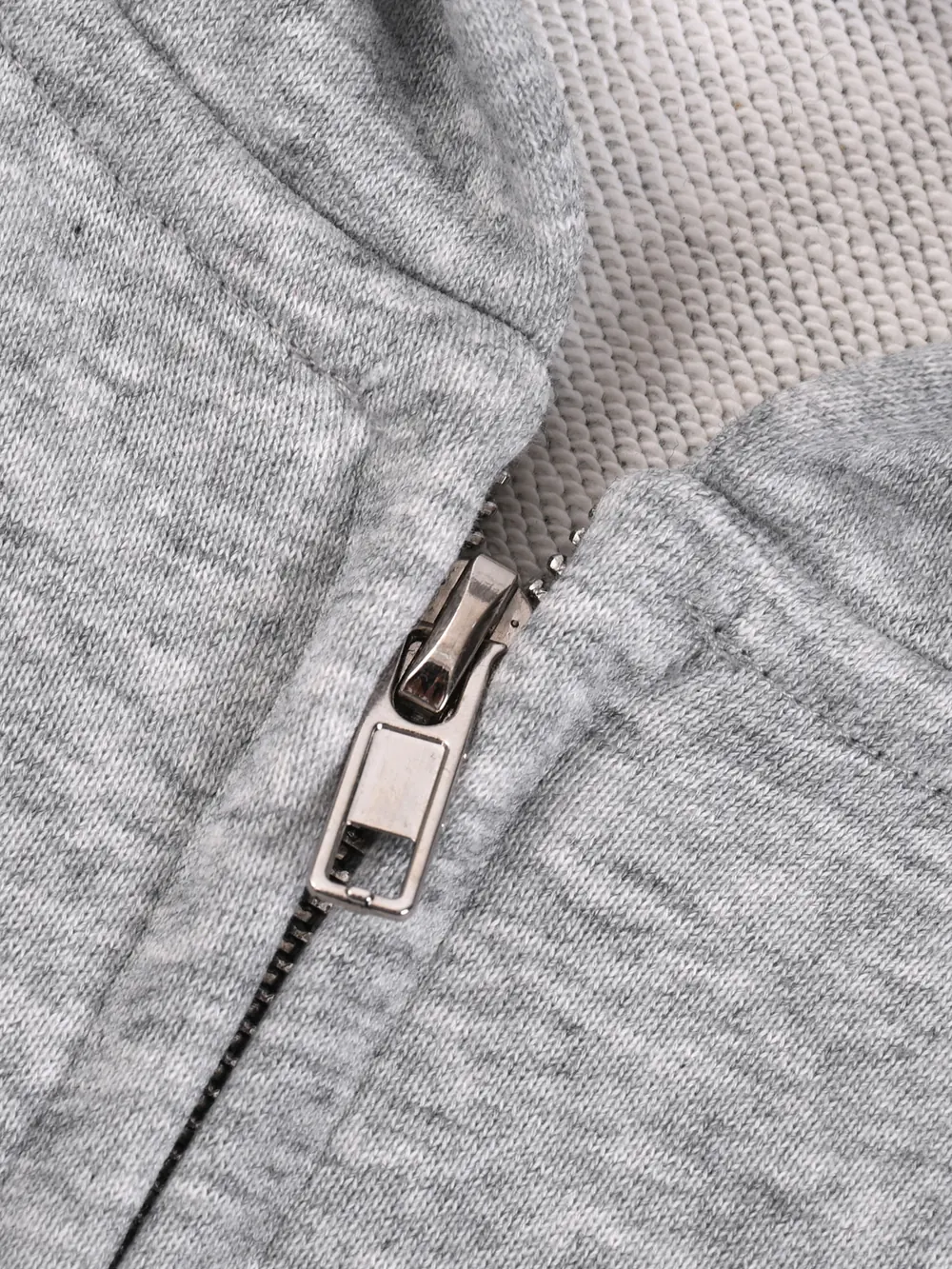
Catalogue construction reference — Harbor 400 GSM Heavyweight Cotton Zip-Up Hoodie. View garment
Good questions
Product development questions
Clear answers before the work begins.
Can I start without a finished tech pack?
Share the design reference and garment purpose. Mark known measurements, materials and construction details, then identify what needs development. The quote can define the specification and sample work required.
Does one sample approve every production detail?
An approval covers the agreed sample stage. A fit sample may use provisional materials; a pre-production sample records intended production details. Identify substitutions and anything not yet approved.
Will I receive patterns and technical files?
List the required deliverables at the start. Agree formats, grading, revision records, samples and file access or ownership. A sample-only quote does not automatically include every editable production file.
What determines development cost and timing?
The starting information, construction, material readiness, size range and sample rounds affect the plan. Share your target date; confirm timing against the quoted scope and approval stages.
Your project, clearly defined
Start your garment development brief
Send a sketch, reference garment or current tech pack, together with the intended fit, size range and sample purpose. Tell us which patterns, files or physical samples you need and what still needs development.
Send what you have and mark what still needs development. The quote will identify the next steps for your product.